What to Know
A property protection plan before demolition identifies what will be removed, what must remain, how equipment can access the work area, and which nearby improvements need special attention.
For property owners planning demolition near a house, driveway, fence, landscaping, or neighboring building in Aiken, SC, it is important to discuss these conditions with the demolition contractor before work begins.
A written scope, photographs, and clear expectations can help prevent misunderstandings. They cannot eliminate every risk, but they provide a shared understanding of the work and the desired finished condition.

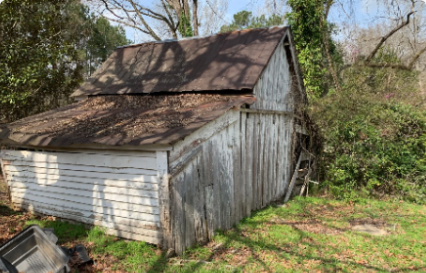
Demolition is usually discussed in terms of what needs to come down. A property owner may want an old shed, deck, garage, or entire building removed.
But what remains standing can be just as important as what is removed. Nearby buildings, paved areas, trees, landscaping, utilities, fences, and drainage features may all affect how a demolition project is approached.
Before scheduling demolition near your home in Aiken SC, it helps to establish a clear understanding of the work area and the surrounding property.
Why Separate the Removal Zone From the Protection Zone?
A deck, shed, patio, fence, garage, or whole structure may sit close to another building or improvement. The contractor needs to understand exactly which components are included in the planned removal.
The property owner should identify both what comes out and what stays.
Depending on the project, that may include steps, siding, gates, retaining walls, shrubs, trees, concrete surfaces, or sections of an existing structure that must remain.
Marked photographs can help communicate those expectations, especially when the demolition work is close to improvements the owner wants to preserve.
Define Both Sides of the Project
A useful demolition plan answers two questions: What are we removing? and What is supposed to remain?
Those answers should be specific enough that the contractor and property owner understand the same expected finished result.
Which Property Conditions Should Be Photographed?
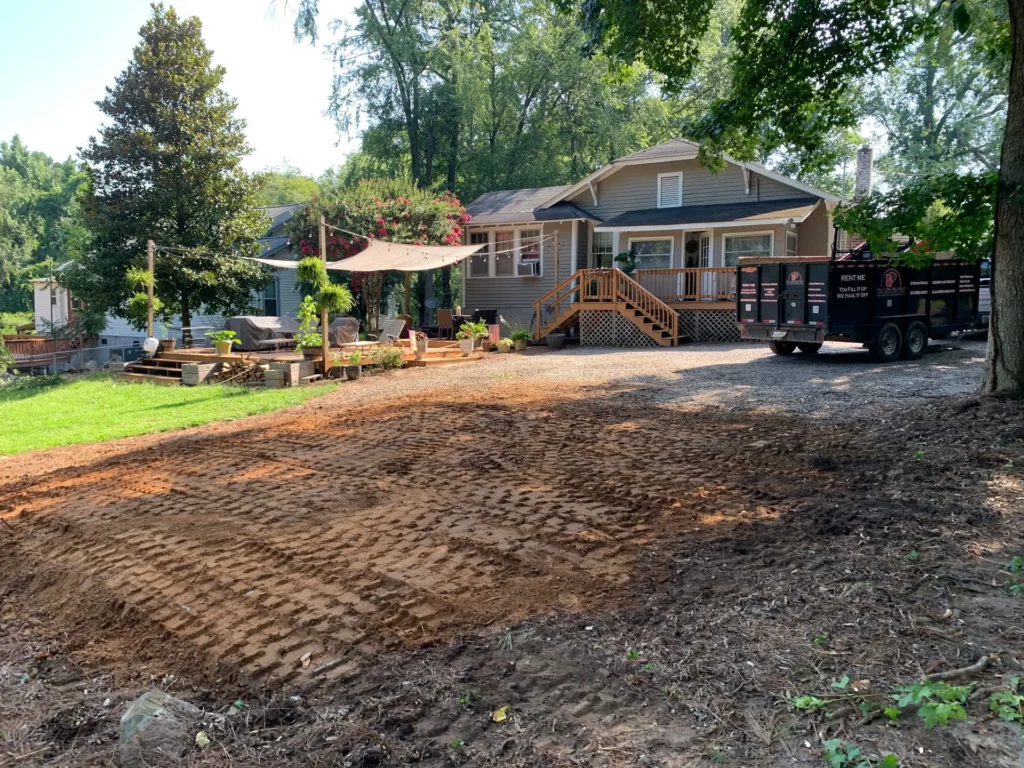
Before work begins, consider photographing nearby improvements from safe, accessible locations.
Both wide photographs and close-up views can be helpful. Depending on the property, important features may include:
- Driveways, walkways, patios, and existing pavement cracks
- Exterior siding, steps, porches, and adjoining walls
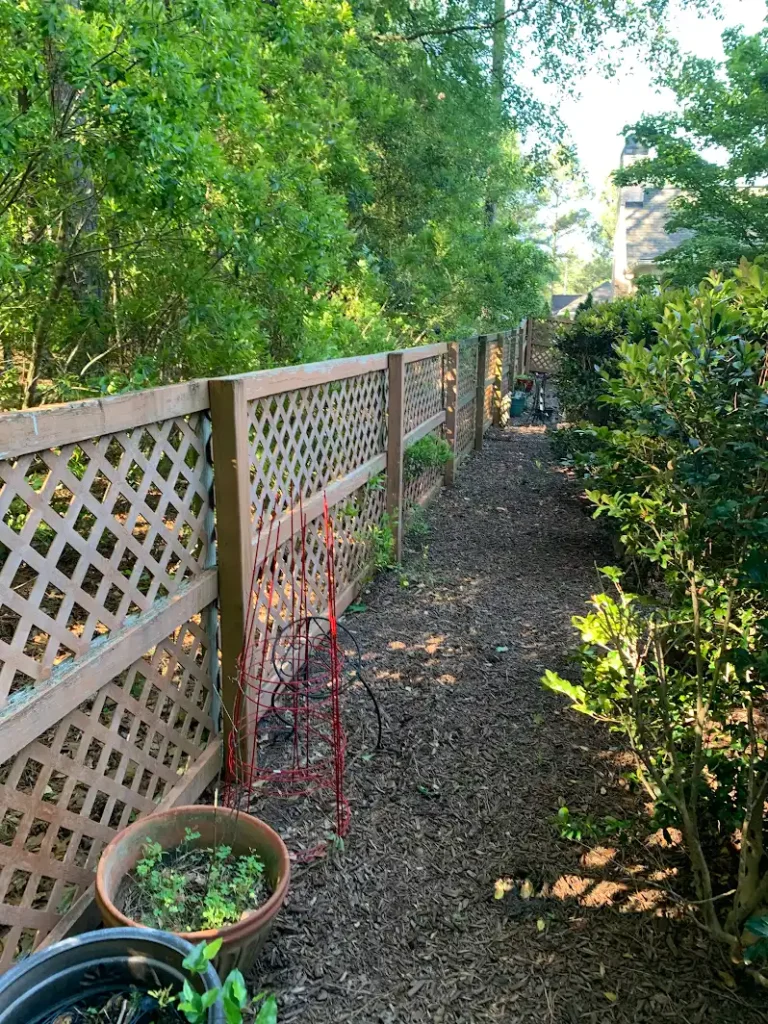
- Fences, gates, and neighboring structures
- Retaining walls, curbs, and drainage features
- Trees, shrubs, flower beds, and established landscaping
- Areas where equipment may enter or leave the property
- Visible pre-existing wear or damage
Dated photographs can help establish the original condition of the property. Important existing damage or sensitive areas should be discussed with the contractor.
Never enter an unsafe demolition area simply to obtain photographs.
How Will Demolition Equipment Reach the Work Area?
Equipment access deserves attention even on smaller residential demolition projects.
A structure may be easy to see from the driveway but difficult to reach because of narrow gates, fencing, slopes, soft ground, landscaping, trees, or overhead obstacles.
Ask where machines and trucks may enter, turn, park, load debris, and leave the property.
When requesting an estimate, photographs showing the route between the street and the proposed work area can be particularly helpful.
The contractor determines which equipment and operating methods are suitable for the project. Property owners should identify known restrictions and sensitive areas before that approach is finalized.
What About Underground Utilities and Hidden Features?
Residential and commercial properties may contain irrigation lines, underground drains, septic components, wells, buried electrical lines, landscape lighting, and other features that are not obvious from the surface.
Identify known locations and share any available records or photographs.
However, a rough sketch or homeowner's recollection should not be treated as a precise utility location.
Responsibilities for utility checks, disconnections, and specialized work should be clarified before demolition begins.
For related information, read Aiken Demolition's utility-disconnection guidance.
What if a Neighbor's Fence or Shared Driveway Is Nearby?
Demolition near a property boundary can create additional questions about ownership, access, and neighboring improvements.
A fence may connect to another fence, a driveway may be shared, or equipment access may be affected by adjacent property.
Identify those conditions early and clarify any restrictions.
If property ownership, boundaries, or permission to use adjoining land is uncertain, that uncertainty should be resolved before affected work proceeds.
A demolition agreement does not automatically grant permission to alter or use someone else's property.
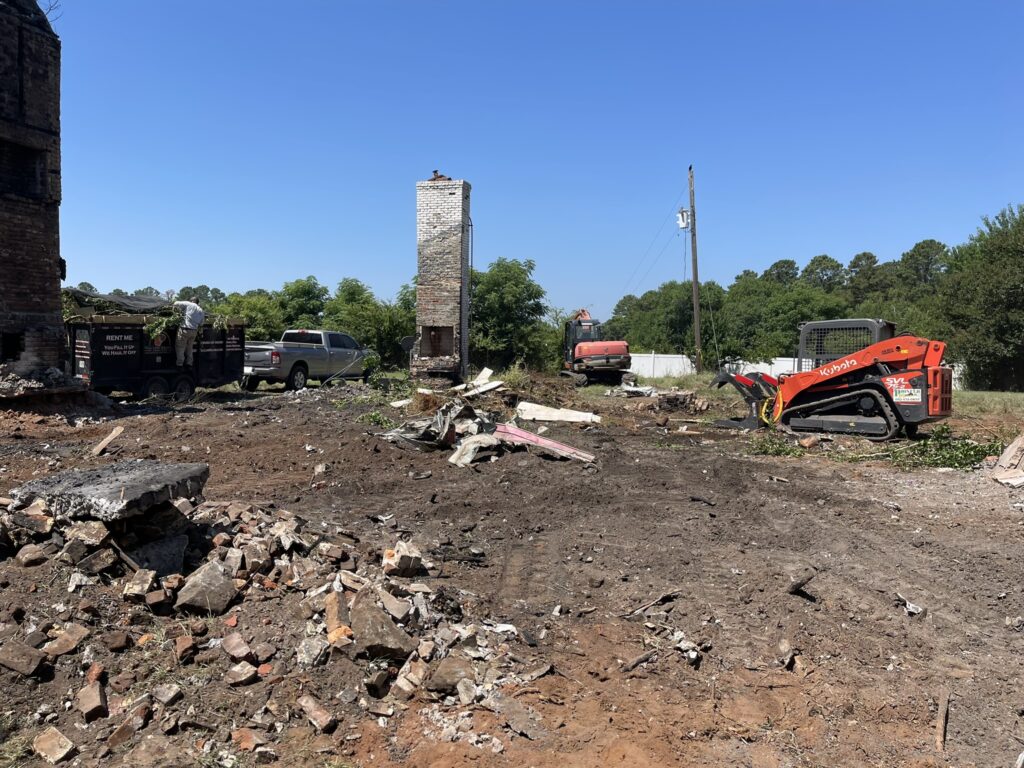
A Real Demolition Project in Denmark SC
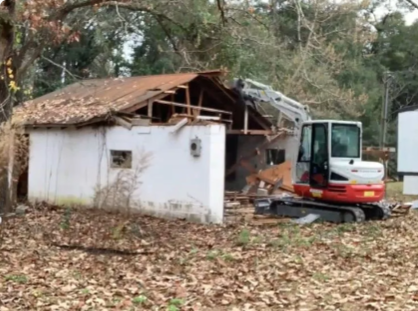
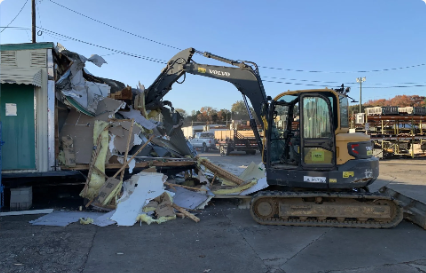
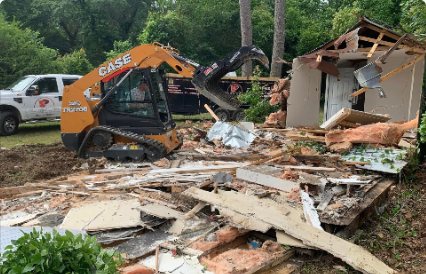
Aiken Demolition's documented commercial building demolition project in Denmark SC illustrates why property protection considerations matter.
The project involved an older one-story brick commercial building along Carolina Highway in Denmark, South Carolina.
According to the published project story, the property included paved access, landscaping, nearby buildings, and several areas that needed to be considered while planning the work.
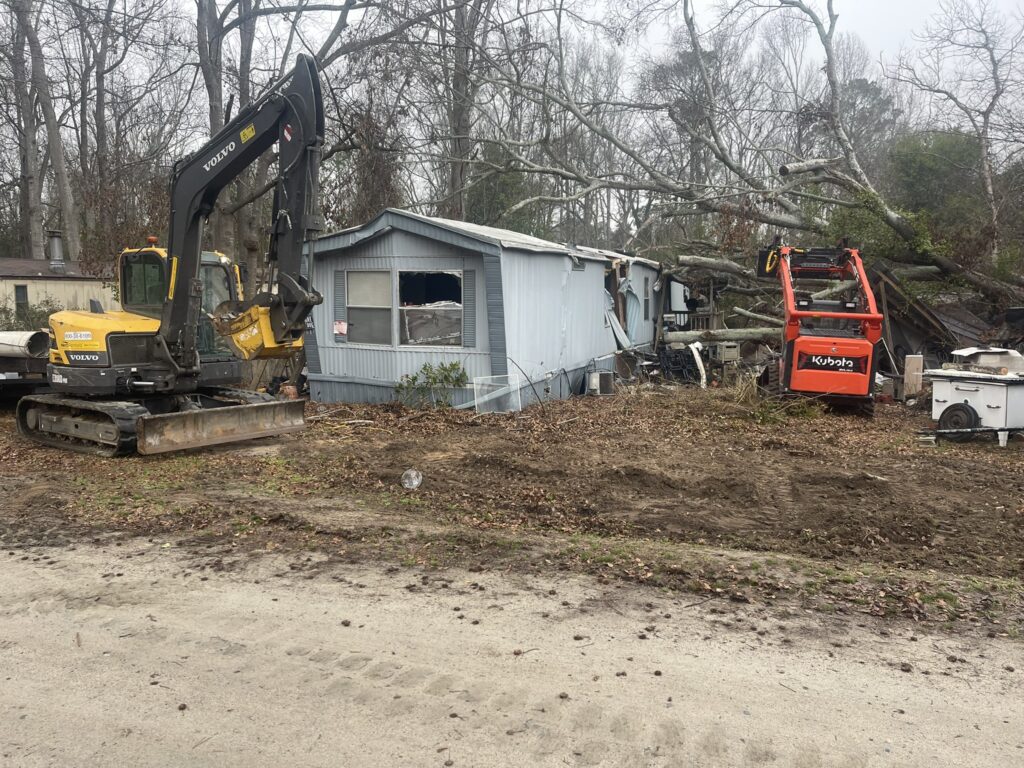
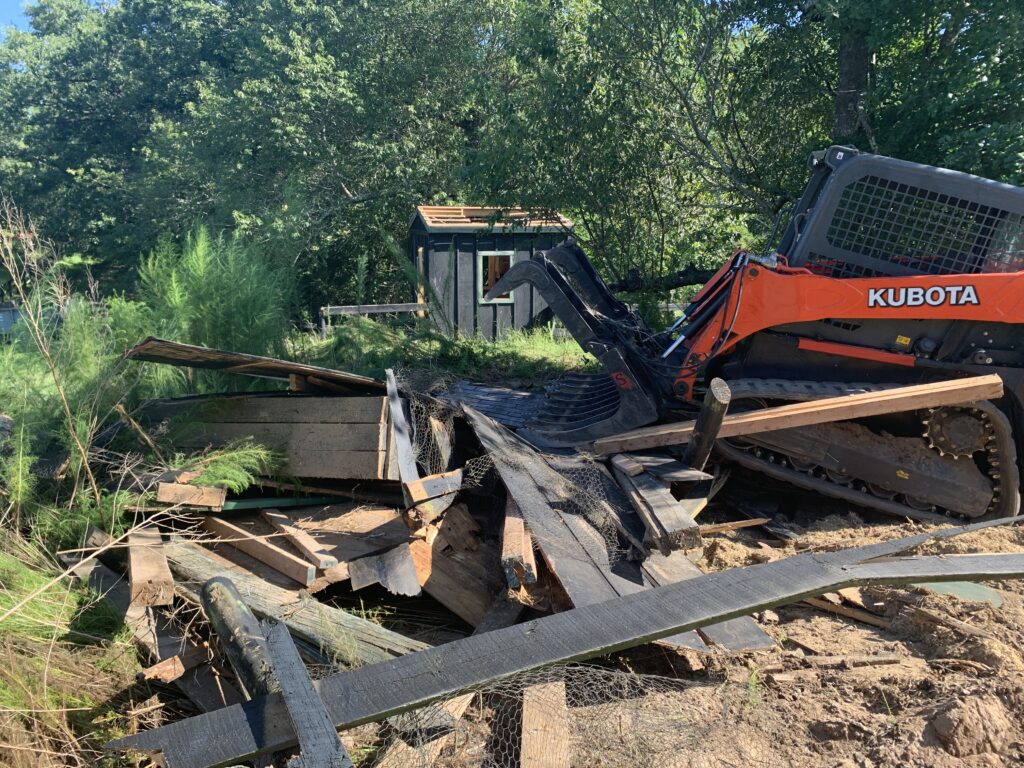
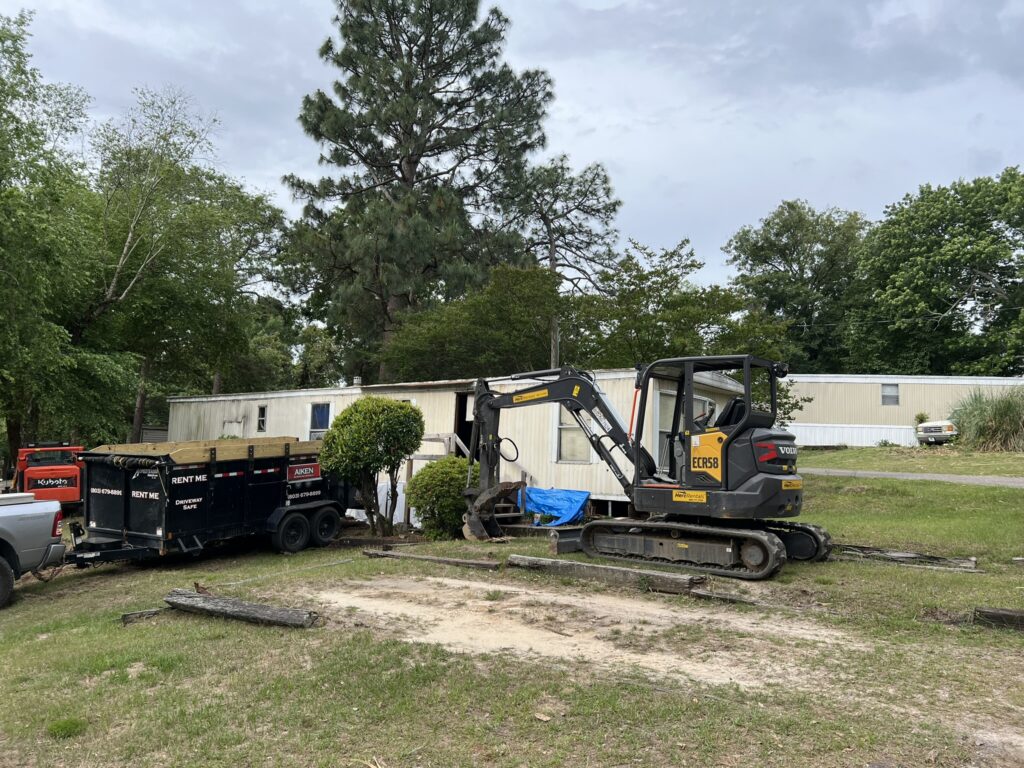
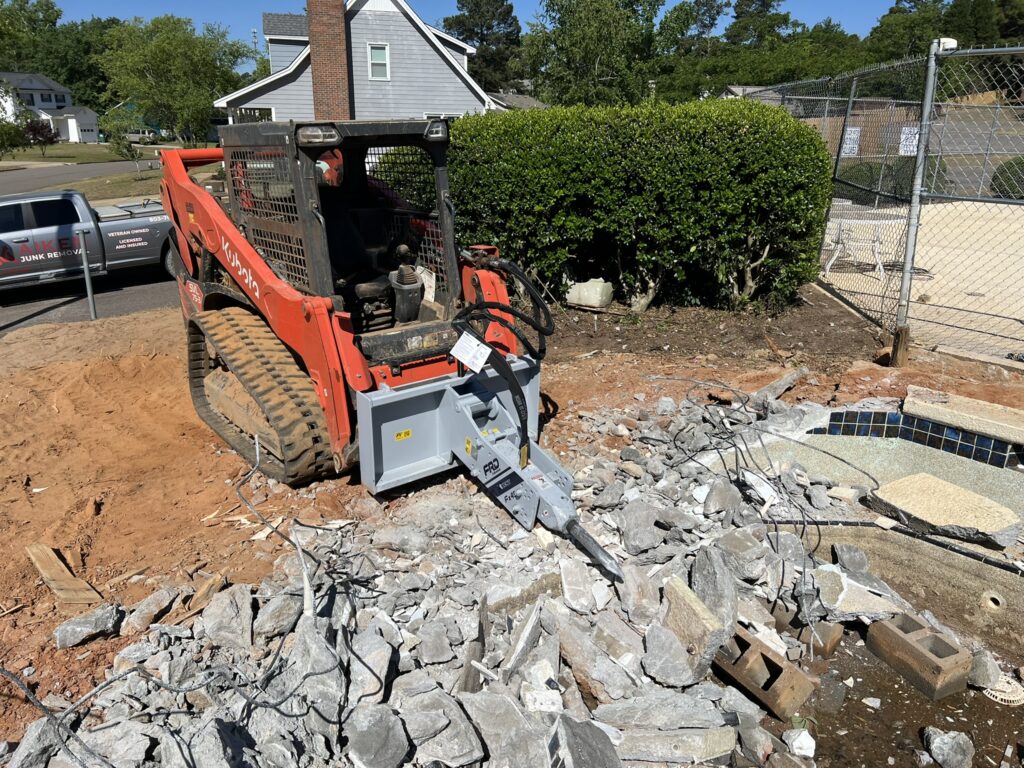
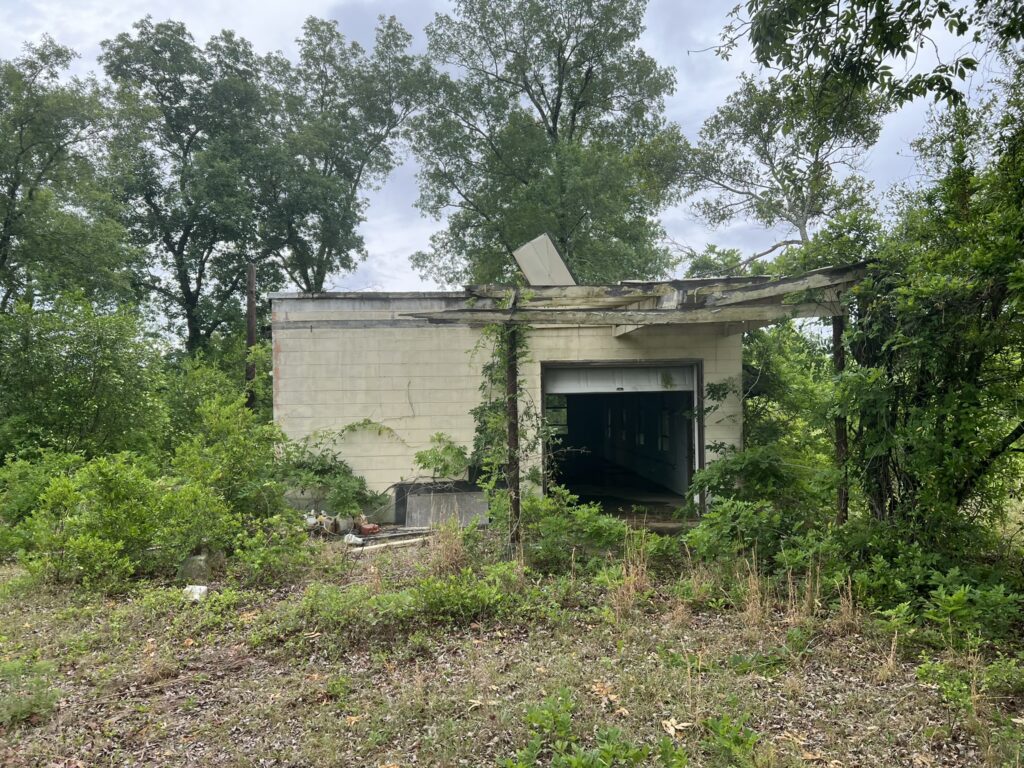
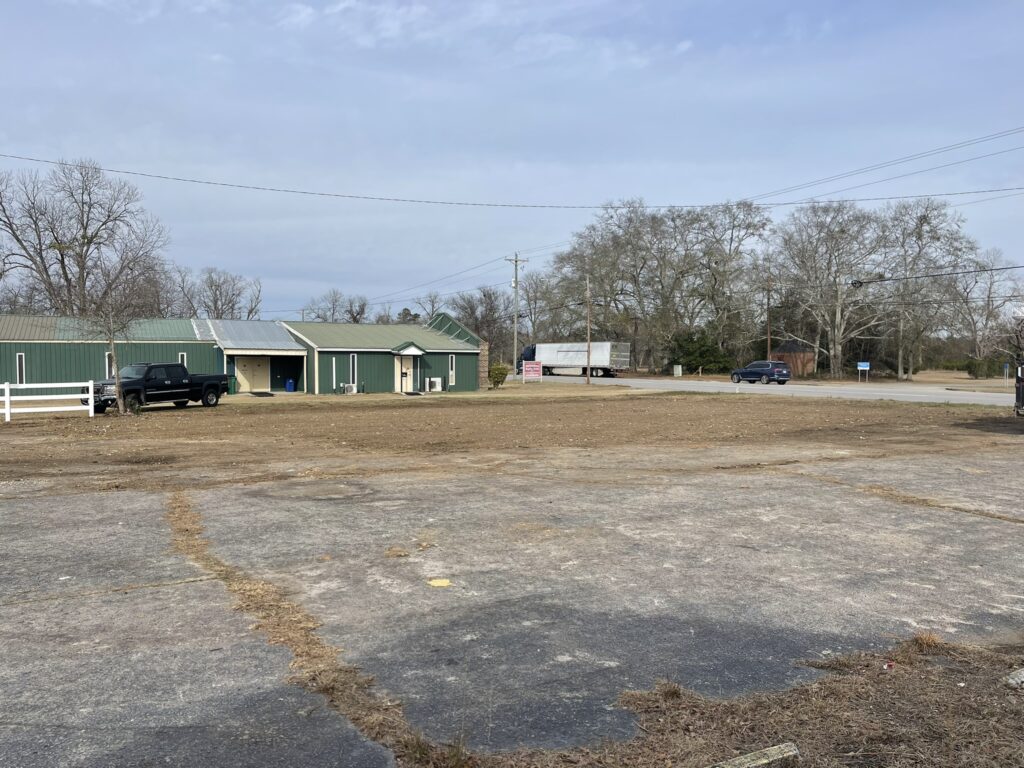
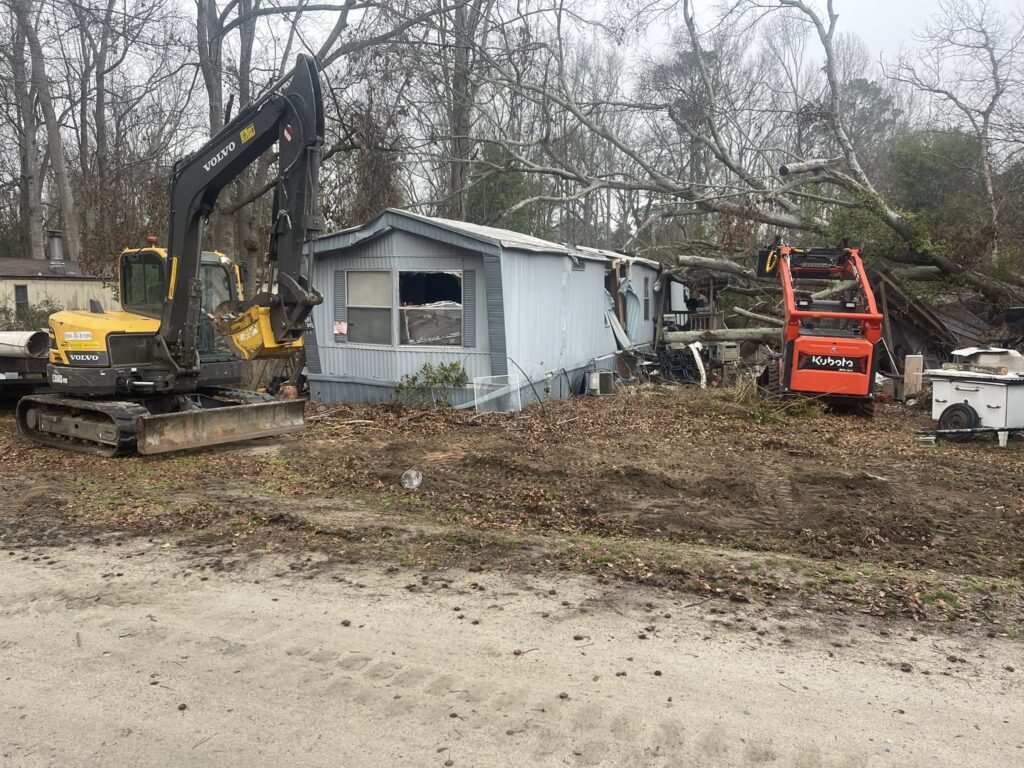
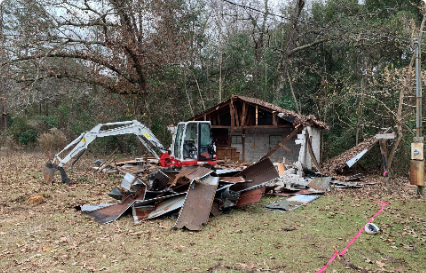
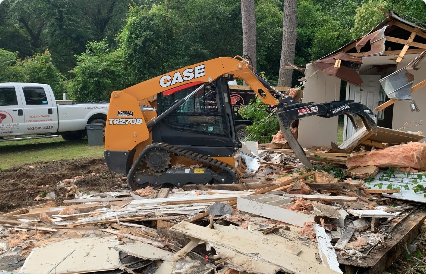
The demolition-in-progress photograph above shows heavy equipment working with debris from the former building. Other photographs in the project story show the building before demolition and the cleared property afterward.
The lesson for property owners is not that every project follows the same method. It is that the work area, surrounding property, access routes, and expected final condition deserve attention before demolition begins.
Those considerations are relevant whether the project involves a commercial structure, house, shed, garage, or other unwanted building.
What Should a Written Property Protection Plan Include?
A property protection plan does not necessarily need to be a lengthy separate contract.
The goal is to create a practical written record of the scope, site conditions, and expectations for the work.
Useful details may include:
- Removal boundaries: Exactly which structures and components are included
- Retained improvements: Buildings, landscaping, surfaces, and features that must remain
- Existing conditions: Relevant photographs and known damage
- Equipment access: Expected access areas and restrictions, subject to safe operating decisions
- Utilities: Known underground or overhead services that need attention
- Debris handling: What hauling and cleanup include
- Final site condition: Whether backfill, grading, soil work, or restoration are included or excluded
- Changes: Who can authorize material changes to the scope or price
When an item is unclear, request clarification before accepting the quote.
A Useful Question Before You Approve
"Can we mark on a photograph exactly what will be removed, what must stay, and where equipment is expected to travel?"
That simple conversation can reveal details that might otherwise be assumed rather than clearly agreed upon.
What Happens if an Unexpected Condition Appears?
Some conditions cannot be fully identified until work begins.
Hidden materials, buried features, unexpected construction conditions, or equipment-access limitations may change what the project requires.
Before demolition starts, discuss how the contractor will communicate unexpected findings and how any material changes to the agreed scope or price will be authorized.
Worksite safety and specialized hazards must still be evaluated by appropriately qualified personnel. Customer approval of a scope change does not replace those responsibilities.
Does Property Protection Include Repairing the Lawn or Driveway?
Not automatically.
Property protection, debris cleanup, grading, backfill, landscaping, and pavement restoration may involve different services and expectations.
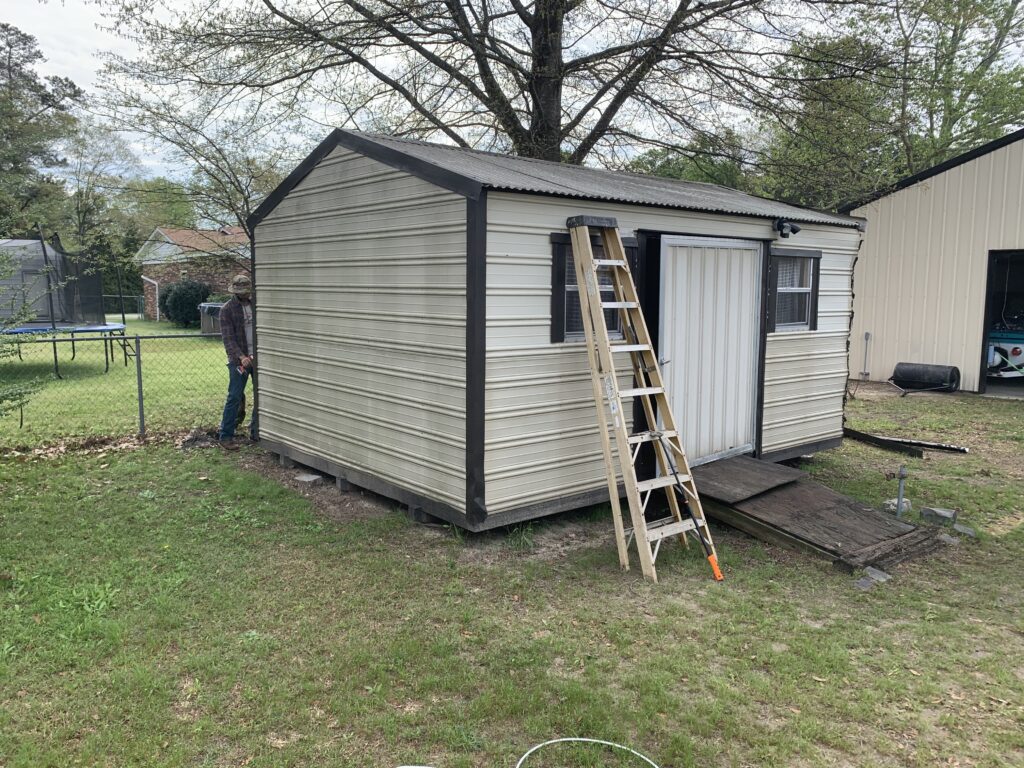
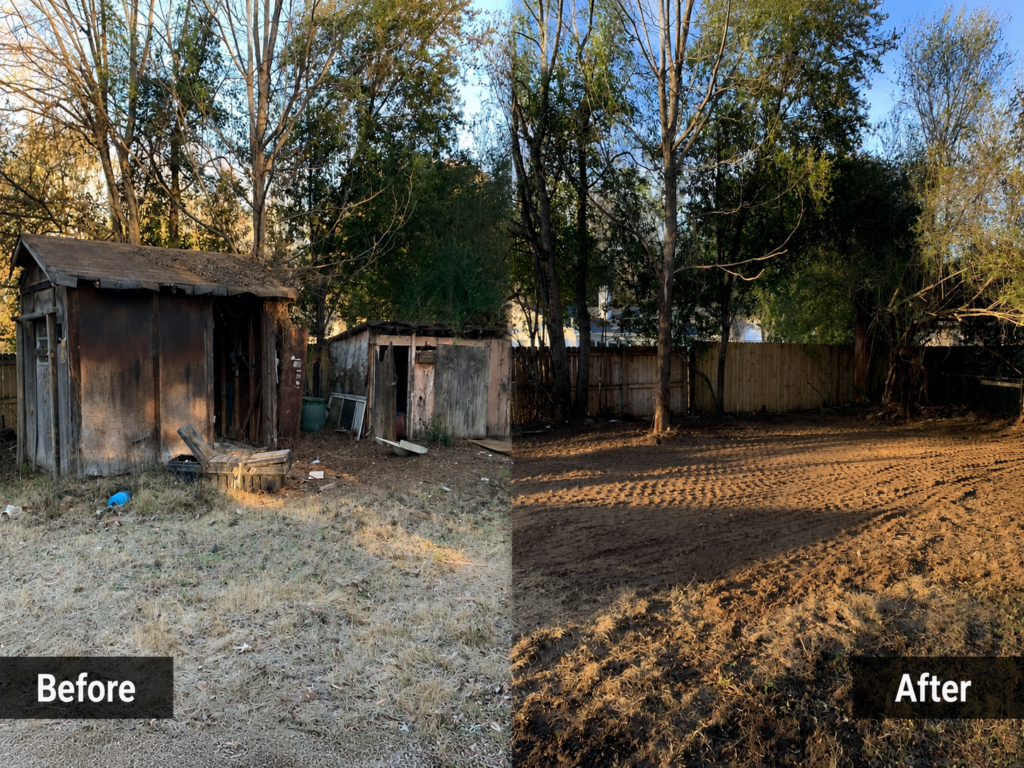
For example, one property owner may simply want an unwanted shed removed and the immediate area cleaned. Another may need the ground prepared for construction or new landscaping.
Both projects involve demolition, but they may require different finished conditions.
Before work begins, confirm which cleanup and restoration services are included and which are excluded.
What Should You Send When Requesting a Demolition Quote?
Good information helps the contractor understand the property and the proposed scope.
When requesting a quote, provide as much of the following as you reasonably can:
- The complete property address
- Clear photographs of the structure to be removed
- Wide photographs showing surrounding improvements
- Photos of the expected access route
- Approximate structure dimensions, when known
- Any buildings, landscaping, or surfaces that must remain
- Known utilities, irrigation, drainage, or buried features
- Uncertain boundaries or access conditions
- The condition you want the site left in afterward
If you do not know an answer, say so instead of guessing. The contractor can identify which additional details require review.
For broader guidance, see what to do before the demolition crew arrives.
Why a Clear Property Protection Plan Helps
Even smaller demolition projects can involve details that are easy to overlook.
A fence may sit beside established landscaping. A shed may be close to a neighboring building. A garage may have a narrow driveway or buried utilities nearby.
Clear documentation helps identify those concerns before equipment arrives.
The purpose is not to promise a risk-free project. It is to improve communication, clarify expectations, and help define the work that will actually be performed.
Final Summary
A property protection plan before demolition should address more than the structure being removed.
Nearby improvements, equipment access, property boundaries, existing conditions, utilities, debris handling, and the desired finished condition all deserve attention.
Aiken Demolition's documented Denmark SC commercial building removal provides a real example of why site access and surrounding property considerations matter.
For property owners in Aiken SC and surrounding areas, clear photographs, written expectations, and a well-defined project scope can help establish a shared understanding with the demolition contractor.
Planning Demolition Near Your Home?
Share your property address, photographs, access details, and the features that must remain. Clear project information can help determine what your demolition work requires.
Request a Project QuoteFrequently Asked Questions
Should I photograph my property before demolition begins?
Yes. Photographs of the structure, surrounding improvements, and pre-existing conditions can help document the property's starting condition. Take them from safe locations and discuss relevant conditions with the contractor.
What should a property protection plan identify?
It should identify what will be removed, what must remain, access limitations, known utilities or sensitive features, expected cleanup, and any agreed restoration or final-site requirements.
Who decides where demolition equipment can travel?
The contractor determines safe operating methods. The property owner should identify access restrictions, known underground features, and surrounding improvements that need to remain before work begins.
Does demolition automatically include repairing the driveway or lawn?
No. Clarify whether driveway, lawn, soil, grading, backfill, or surface restoration is included in the written scope. Demolition and complete property restoration should not be assumed to mean the same thing.
What if a neighboring fence or shared driveway is close to the work?
Identify nearby improvements and clarify ownership, boundaries, access permissions, and restrictions before affected work begins. Uncertain property-line questions should be resolved rather than assumed.
Should I tell the contractor about underground irrigation or drainage?
Yes. Share information about known irrigation lines, drains, septic components, buried services, and other property systems. Appropriate utility checks or qualified assistance may also be needed.
What happens when unexpected conditions are discovered?
Ask how the contractor will contact you, explain the condition, and obtain authorization for material changes to scope or price. Worksite safety decisions remain the responsibility of qualified personnel.
Can I mark the demolition area on a photograph?
Yes. Marking the removal area, retained improvements, and possible equipment-access routes on photographs can help communicate expectations. Those markings do not replace necessary property surveys or technical safety checks.
What can the Denmark SC project teach property owners?
The documented one-story commercial demolition illustrates the importance of reviewing nearby buildings, paved surfaces, landscaping, equipment access, debris handling, and the final site condition before demolition begins.
What should I send when requesting a demolition quote in Aiken SC?
Send the property address, clear photographs, access-route photos, approximate dimensions when known, information about utilities, what must remain, and the condition you expect afterward.