What to Know
To get an old mobile home removed in South Carolina, start by giving the demolition contractor the property address, photos of the mobile home and access route, what is still inside, known utility information, nearby features that need to remain, any decks, porches, steps, skirting, additions, concrete, or other attached features, and the condition you want the site left in afterward.
The contractor can then determine what still needs to be verified, including equipment access, utility coordination, contents and debris, hauling needs, foundation or concrete expectations, and whether an onsite review is appropriate before the final scope is established.
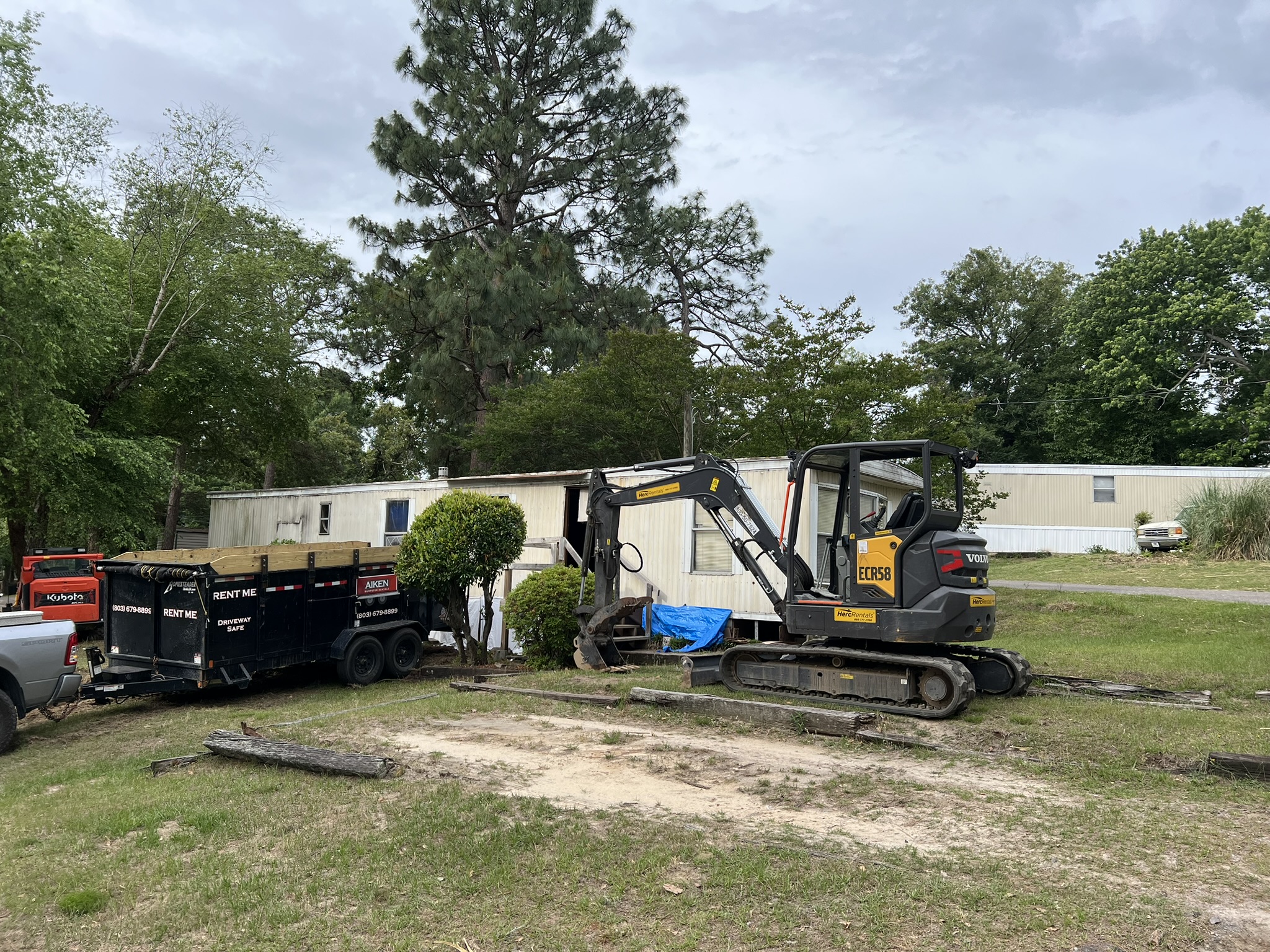
If you are trying to figure out old mobile home removal in South Carolina, the process starts with more than simply asking someone to haul the home away.
A mobile home removal project may involve structure demolition, loose contents, attached additions, utility connections, piers or foundations, concrete, hauling, cleanup, equipment access, and decisions about what the property should look like after the home is gone.
The clearer those details are at the beginning, the easier it is for a demolition contractor to understand the real scope of the project.
Start With the Mobile Home and the Property
The first step is to identify the exact property and describe the mobile home as accurately as you can.
Useful starting information includes the property address, approximate length and width of the mobile home, whether it appears to be a single-section or larger multi-section home, its general condition, and whether it is occupied, vacant, abandoned, damaged, or already partially dismantled.
You do not need perfect measurements before requesting a quote. Approximate information, clear photographs, and an honest description of what you know are usually more useful than guessing.
If the mobile home is located far behind another structure, down a narrow private drive, on a large parcel, or in a place that is difficult to identify from the road, explain that as well.
Be Clear About Ownership and Who Can Authorize the Work
Before a structure is removed, the contractor needs to know who is requesting the work and whether that person is in a position to authorize what happens on the property.
That can be especially important with older mobile homes because the home and the land may have different histories, previous owners, estate issues, rental arrangements, or other circumstances that need to be clarified before demolition begins.
You do not need to solve every document question before making the first call. If there is anything unusual about the property ownership or the mobile home itself, mention it during the initial conversation so the contractor knows there may be additional details to verify.
Do Not Guess About Paperwork
If you are unsure about ownership records, permits, utility status, property boundaries, or other documentation, say that clearly. The first quote conversation is a good time to identify what is known and what still needs to be confirmed.
What Is Still Inside the Mobile Home?
One of the most important details is whether the home is empty.
An old mobile home may still contain furniture, appliances, mattresses, cabinets, personal belongings, scrap material, household junk, tires, stored items, abandoned equipment, or other loose debris.
Those materials can affect the amount of handling and hauling involved in the project.
Do not assume that everything inside the home is automatically included simply because the structure is being removed. Show the contractor what is there and ask that the written scope make clear what contents are included, what the owner will remove, and what may require separate handling.
If the home is unsafe to enter because of fire damage, collapse, severe deterioration, unstable floors, or another visible hazard, do not enter simply to take photographs. Provide exterior photos and describe the condition instead.
Utilities Need to Be Discussed Before Removal
Older mobile homes may have electrical service, water, sewer, septic connections, wells, propane, gas, communication lines, HVAC equipment, or other utilities connected to or near the structure.
Tell the contractor what you know about those services.
If a utility has already been disconnected, explain what was done and by whom. If you are not sure, say so.
Turning off an account, breaker, valve, or appliance should not automatically be treated as confirmation that every physical service has been prepared for demolition.
The contractor needs a clear understanding of which utility conditions have been confirmed and which ones still require coordination before the structure removal proceeds.
Can Equipment and Trucks Reach the Mobile Home?
Access can shape the entire removal plan.
A demolition contractor may need space for equipment, trailers, trucks, debris loading, turning, staging, and movement around the structure.
Useful access information includes:
- Driveway or entrance width
- Gate width
- Tight turns
- Low tree limbs or overhead lines
- Soft ground or steep slopes
- Nearby homes, sheds, fences, or vehicles
- Septic areas, wells, or other features that should not be disturbed
- Whether trucks can reasonably approach the work area
Photos of the road entrance, driveway, gate, route to the mobile home, and the area surrounding it are often just as helpful as close-up photographs of the home itself.
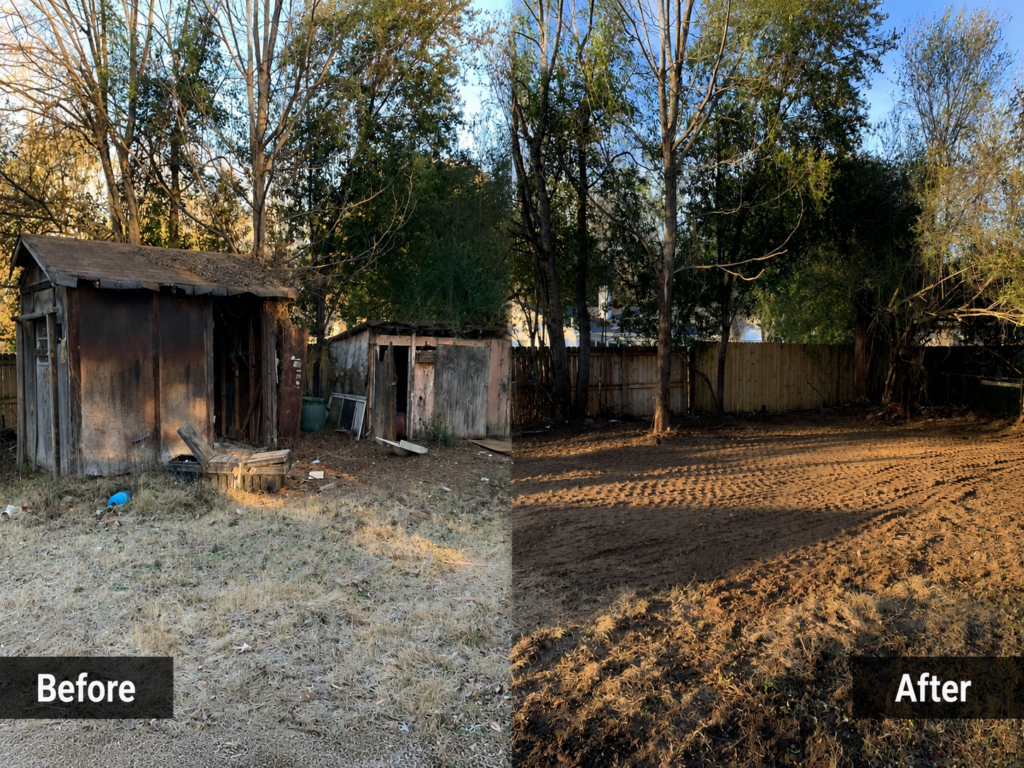
Before and After: A Real Mobile Home Removal in North Augusta
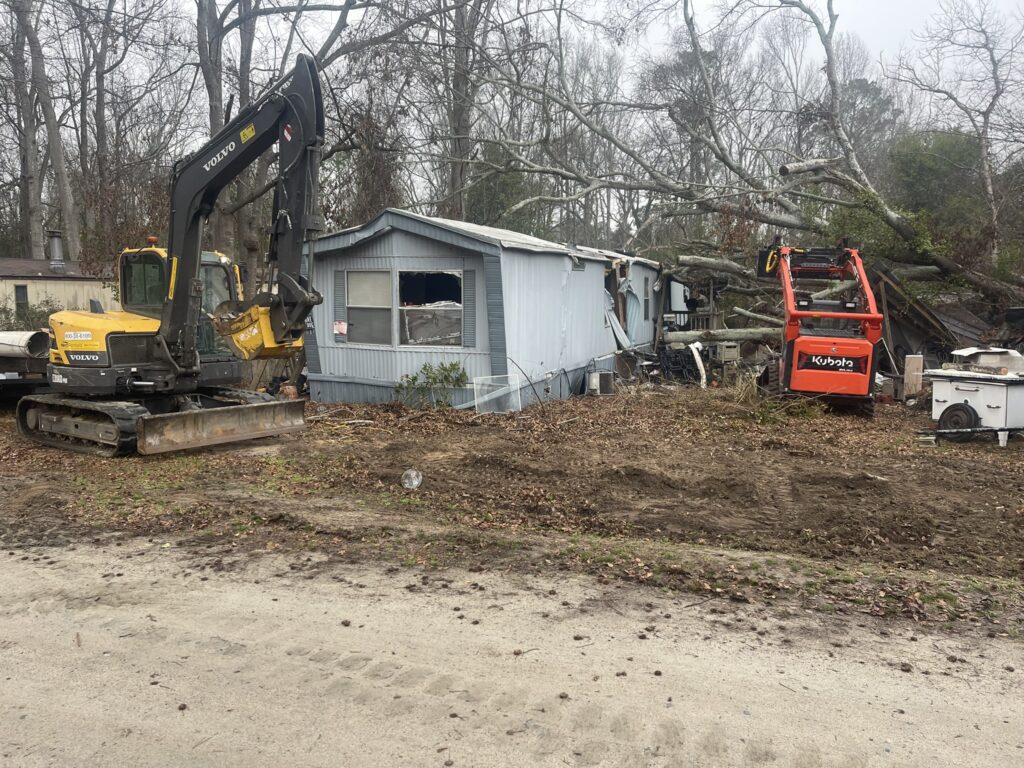
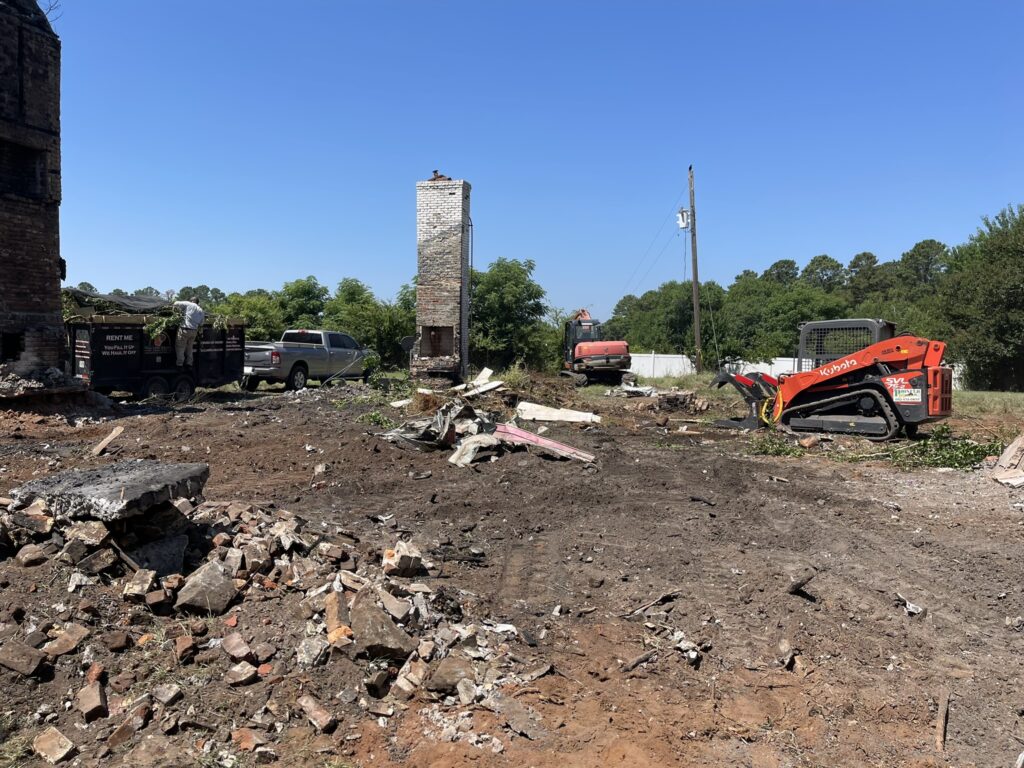
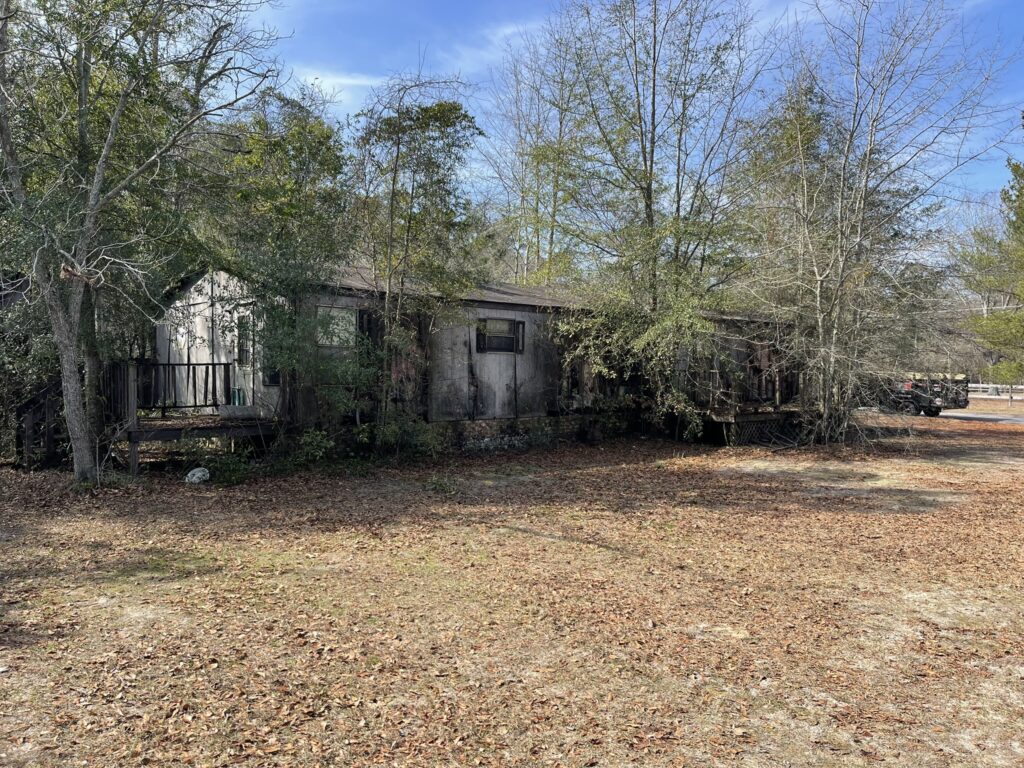
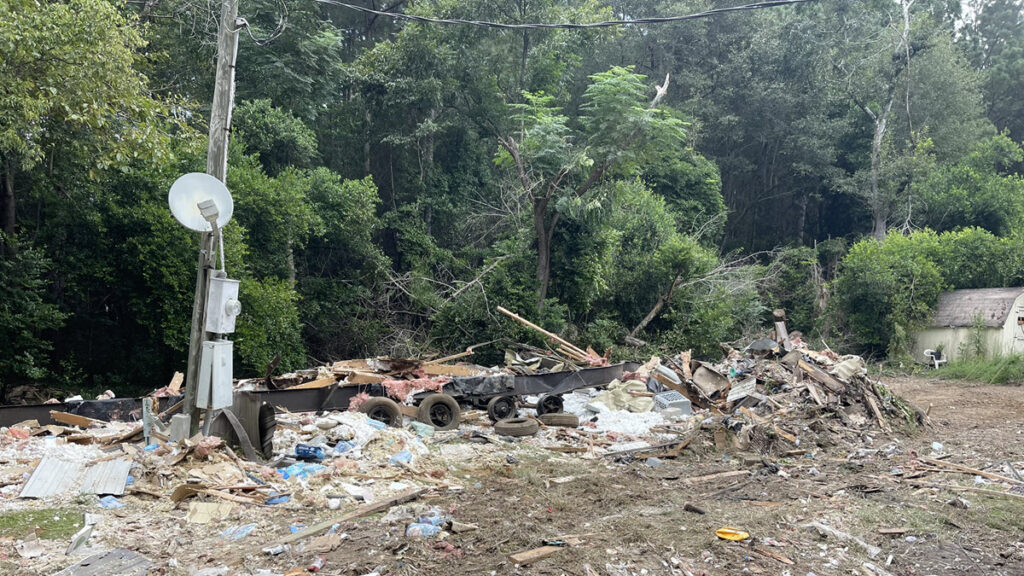
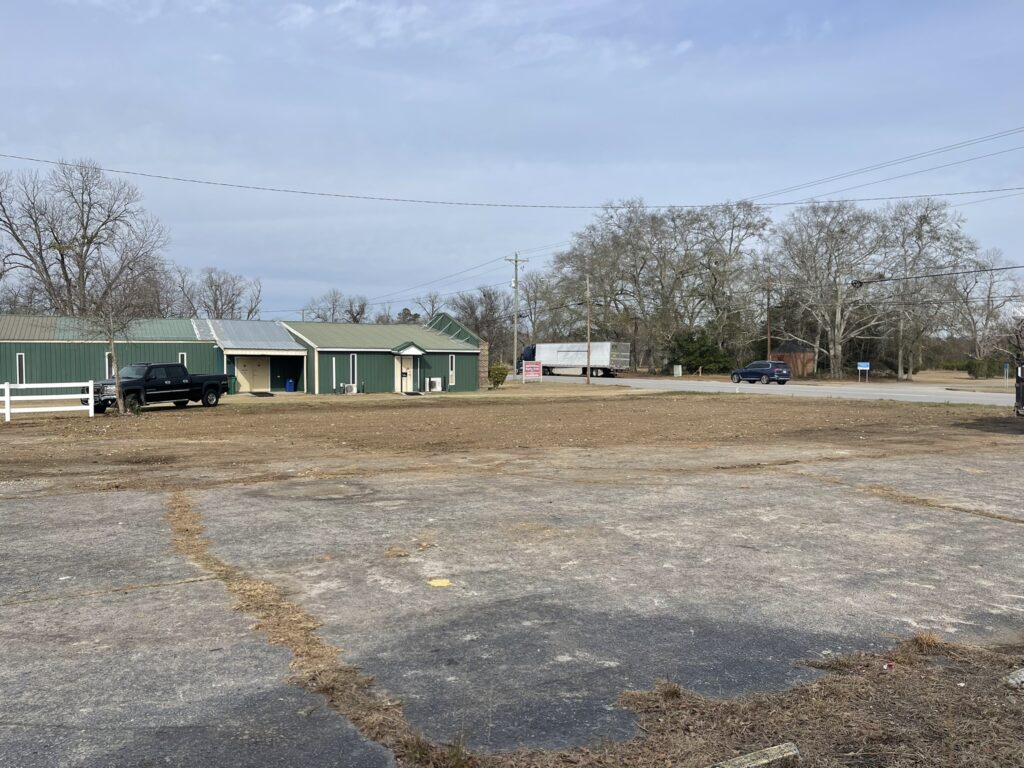
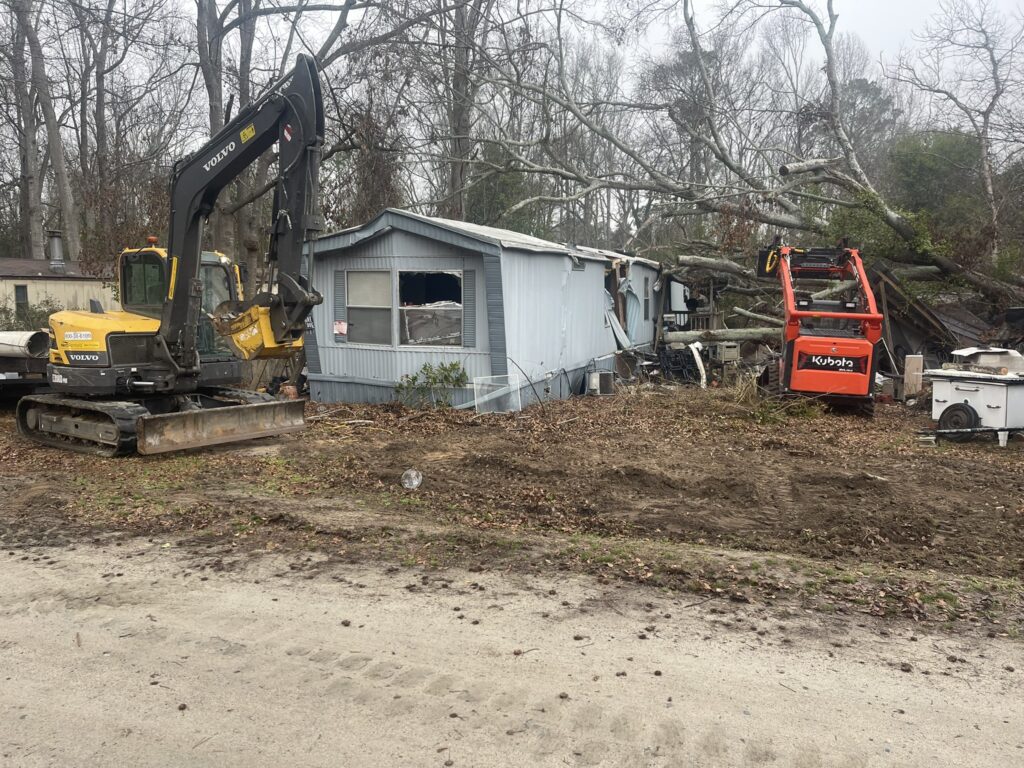
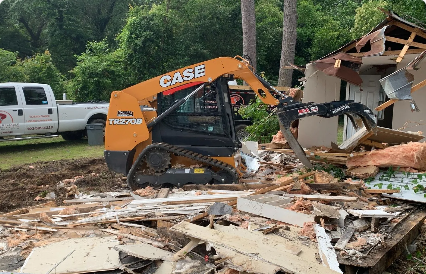
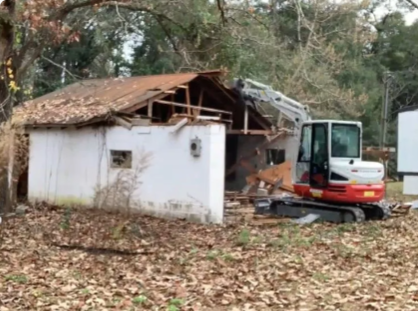
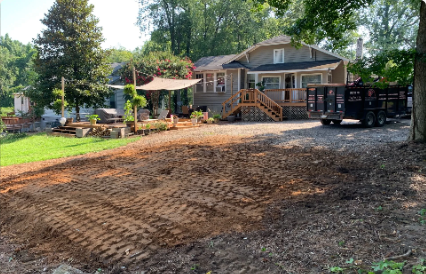
This North Augusta project helps show why mobile home removal involves more than the structure itself. Equipment must reach the work area, debris needs somewhere to go, nearby property needs to remain protected, and the customer needs a clear understanding of the desired final condition.
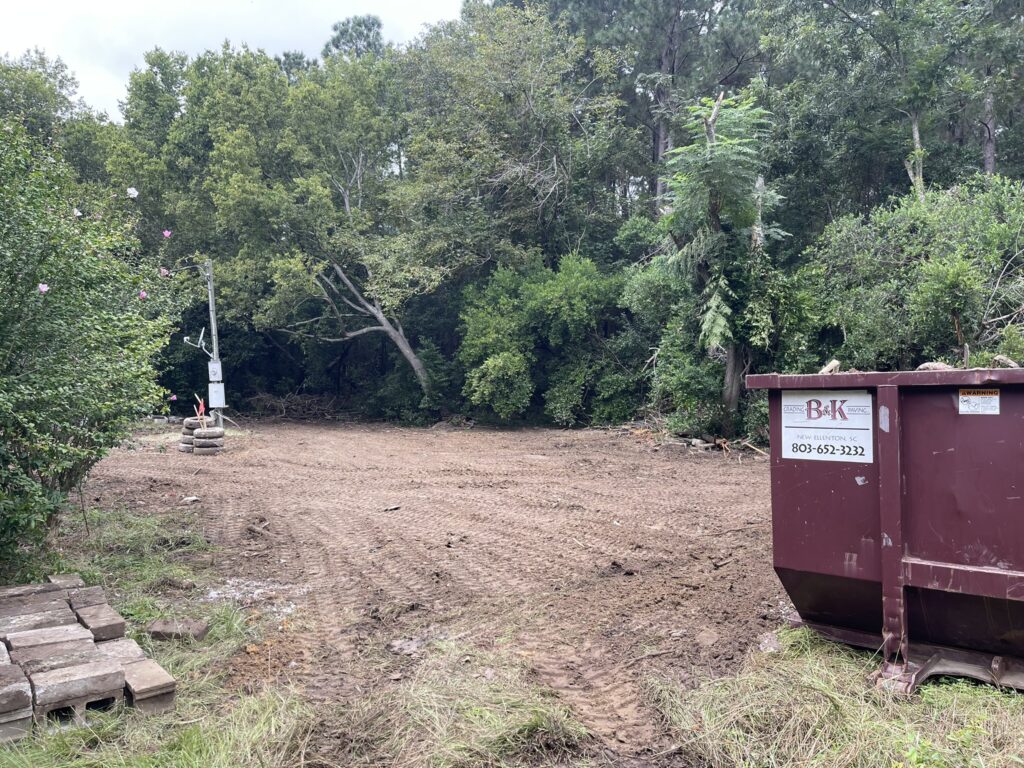
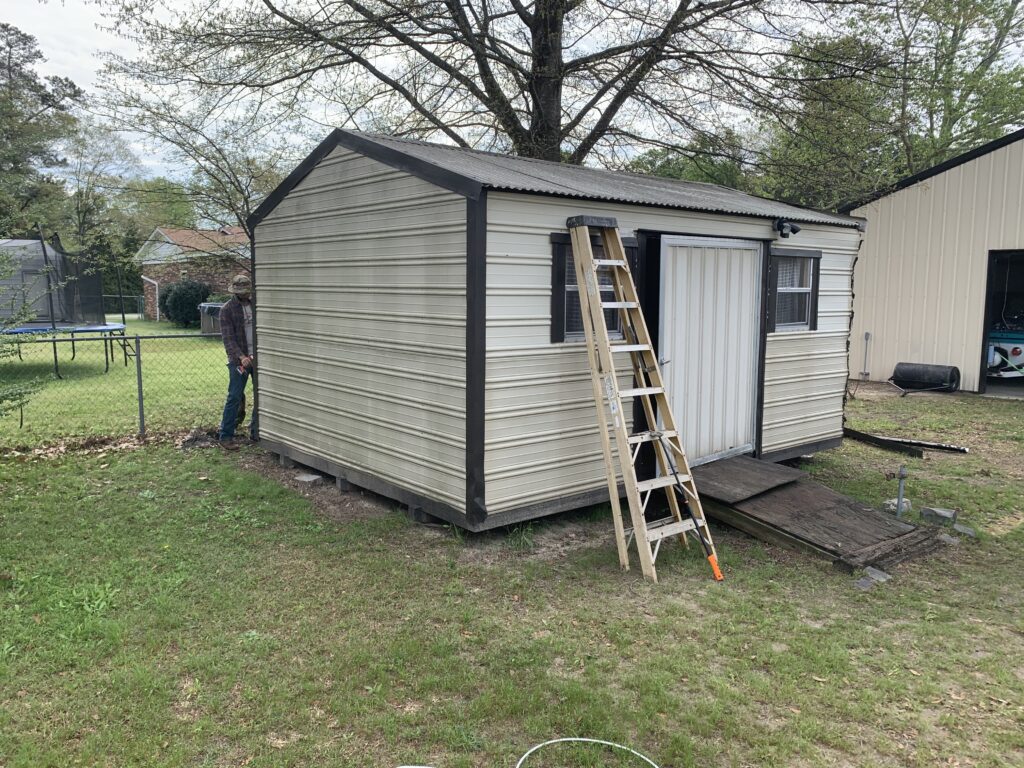
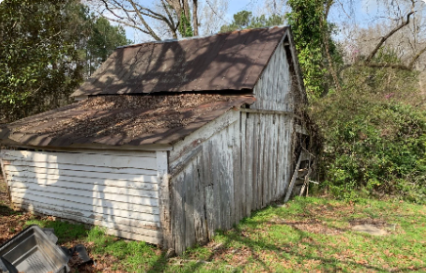
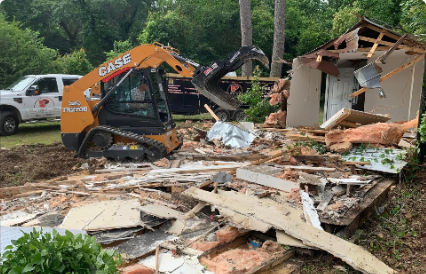
The photographs below show the mobile home before demolition and the cleared property after removal.
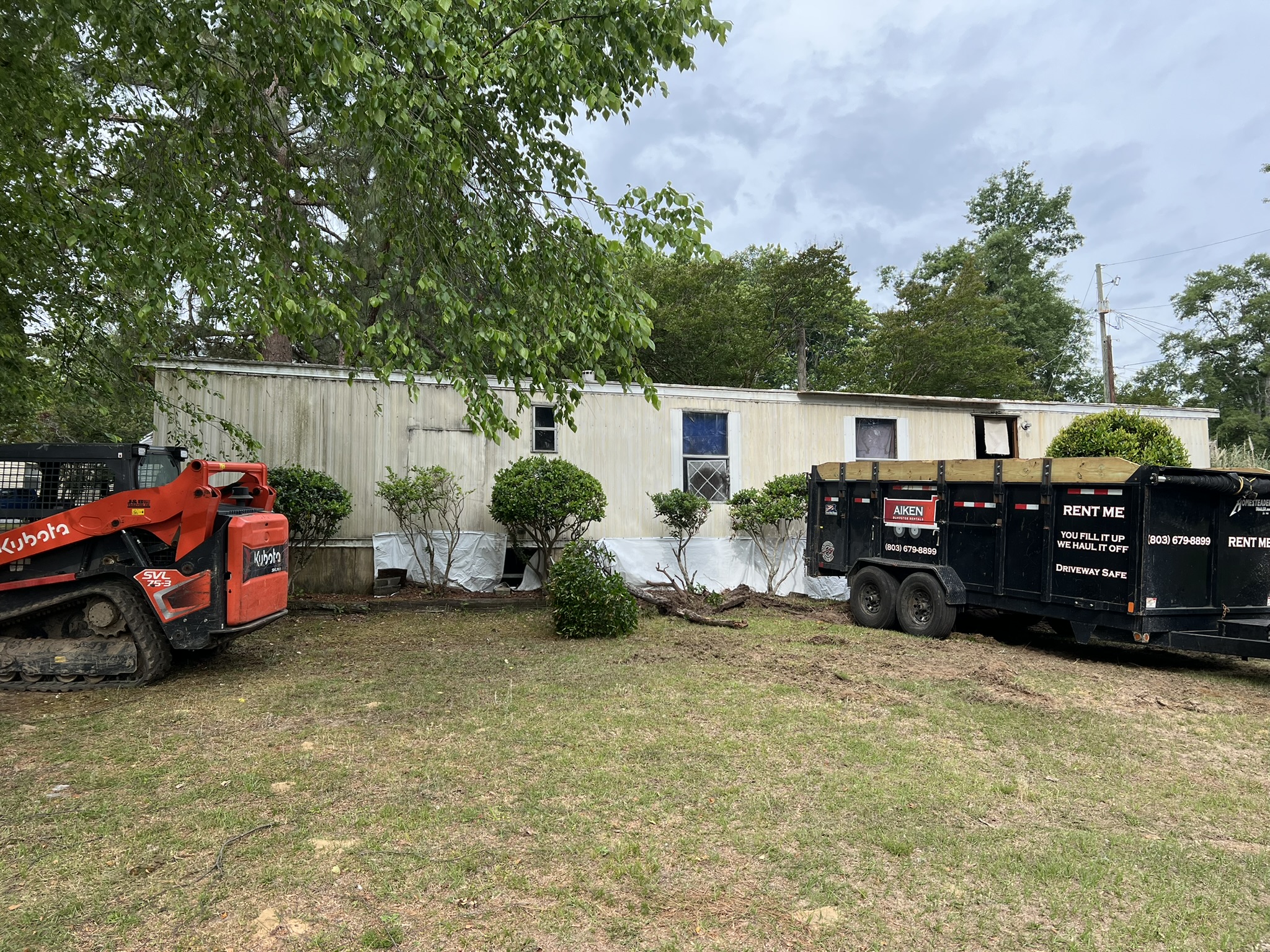
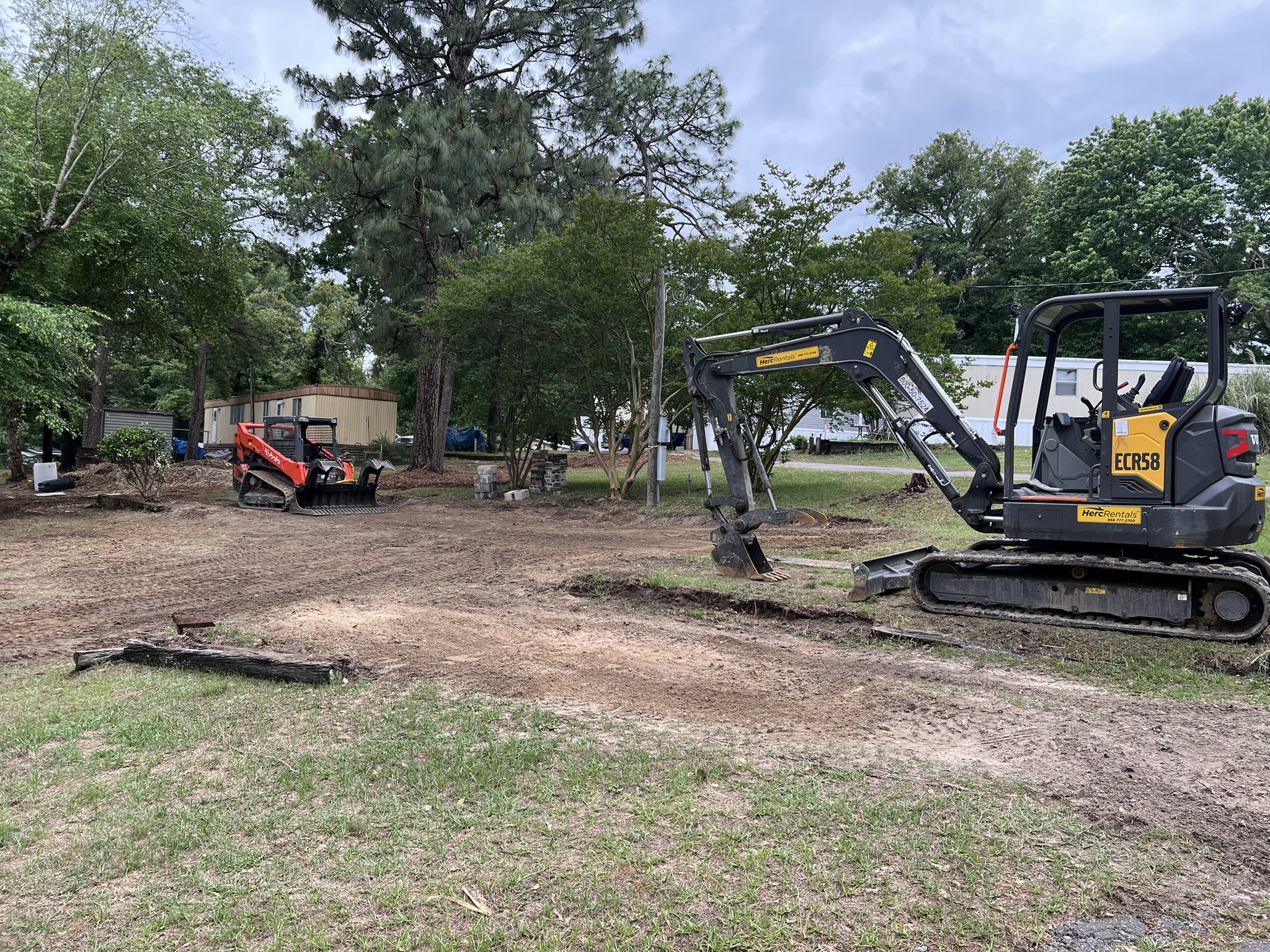
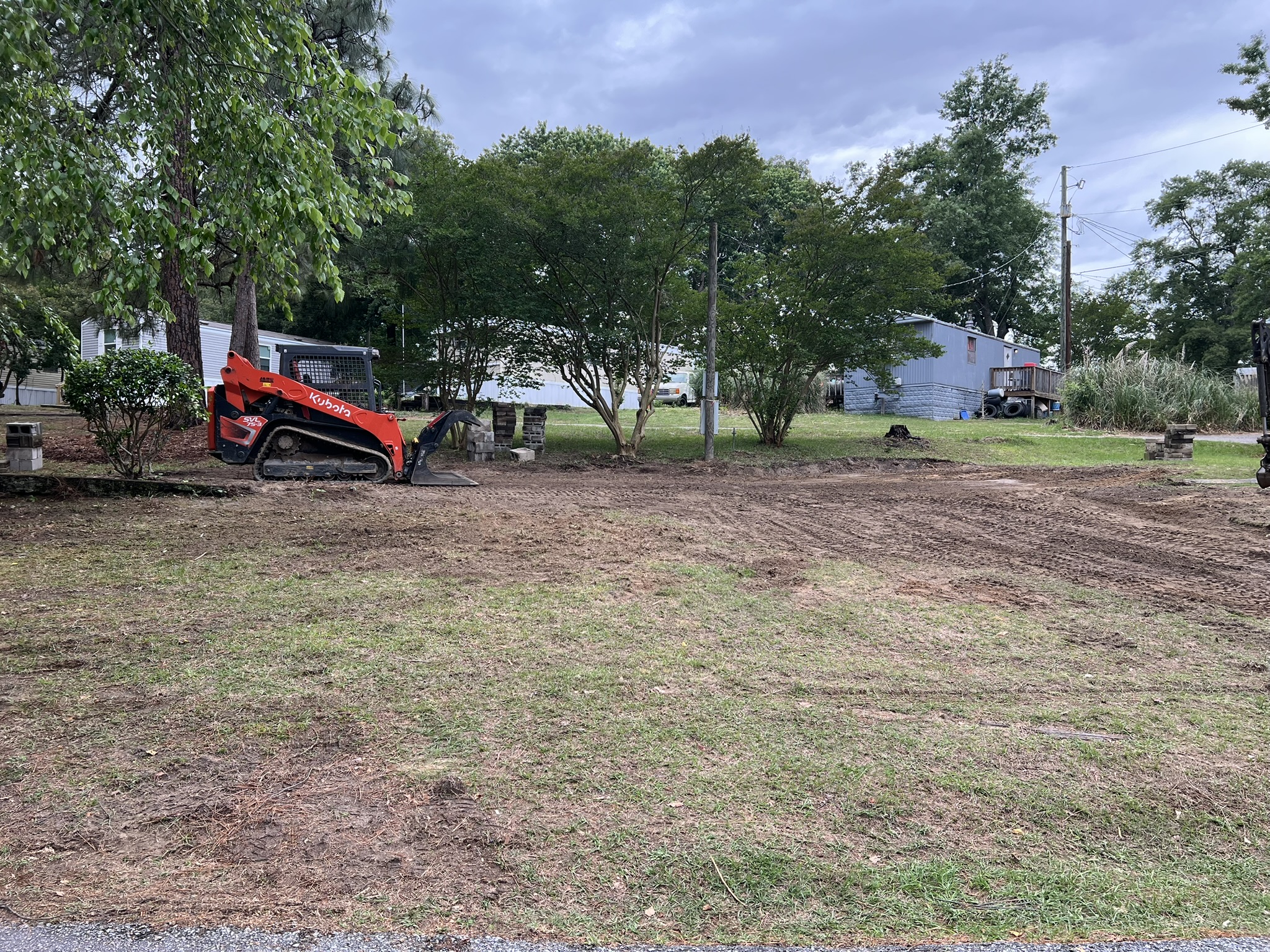
The before-and-after difference also illustrates why the final condition should be discussed before work begins. “Remove the mobile home” can mean different things unless the scope also addresses debris, attached features, supporting materials, concrete, and the agreed condition of the work area afterward.
Do Decks, Porches, Steps, Skirting, or Additions Go Too?
Many older mobile homes have features that were added after the original home was installed.
These may include porches, decks, wooden steps, concrete steps, ramps, skirting, awnings, carports, room additions, sheds, fencing, utility covers, or other structures attached to or immediately beside the home.
Tell the contractor which of those items should be removed and which ones should remain.
The written demolition scope should not rely on the assumption that everything touching the mobile home is automatically included.
If there is an attached addition, enclosed porch, roof-over, or another substantial modification, show it clearly in the photographs because it may affect how the structure removal is planned.
What Happens to Piers, Pads, Foundations, and Concrete?
Removing the mobile home itself does not automatically answer what happens to everything underneath it.
There may be masonry piers, blocks, footings, anchors, runners, concrete pads, slabs, steps, patios, driveways, or other supporting materials associated with the home.
The property owner should explain what result is desired.
Do you want only the mobile home removed? Should supporting materials also be reviewed for removal? Is there a concrete pad that needs to remain? Is the site being prepared for another structure, landscaping, sale, or simply an open lot?
Those decisions can affect equipment, hauling, backfill, cleanup, and the final site condition, so they should be discussed before the project scope is finalized.
Define the Finish, Not Just the Demolition
A useful quote should explain not only what is being removed, but what the agreed work area is expected to look like afterward.
How Is an Old Mobile Home Removed?
The exact method depends on the property, the condition and construction of the home, access, nearby features, utilities, attached structures, and the amount and type of material involved.
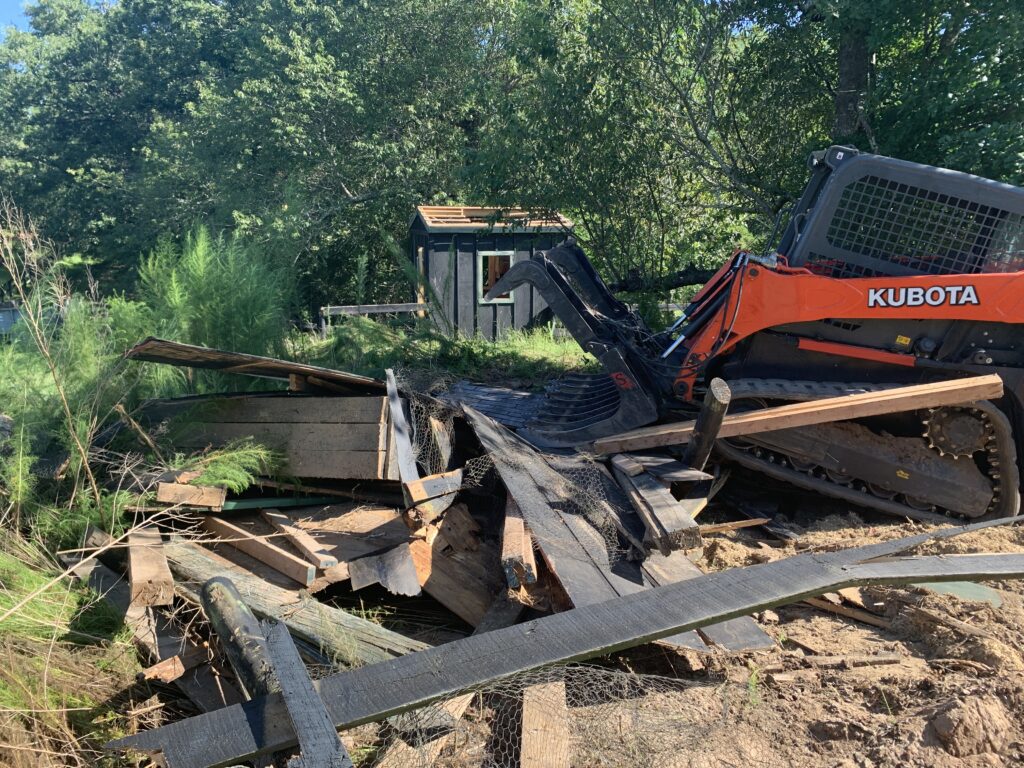
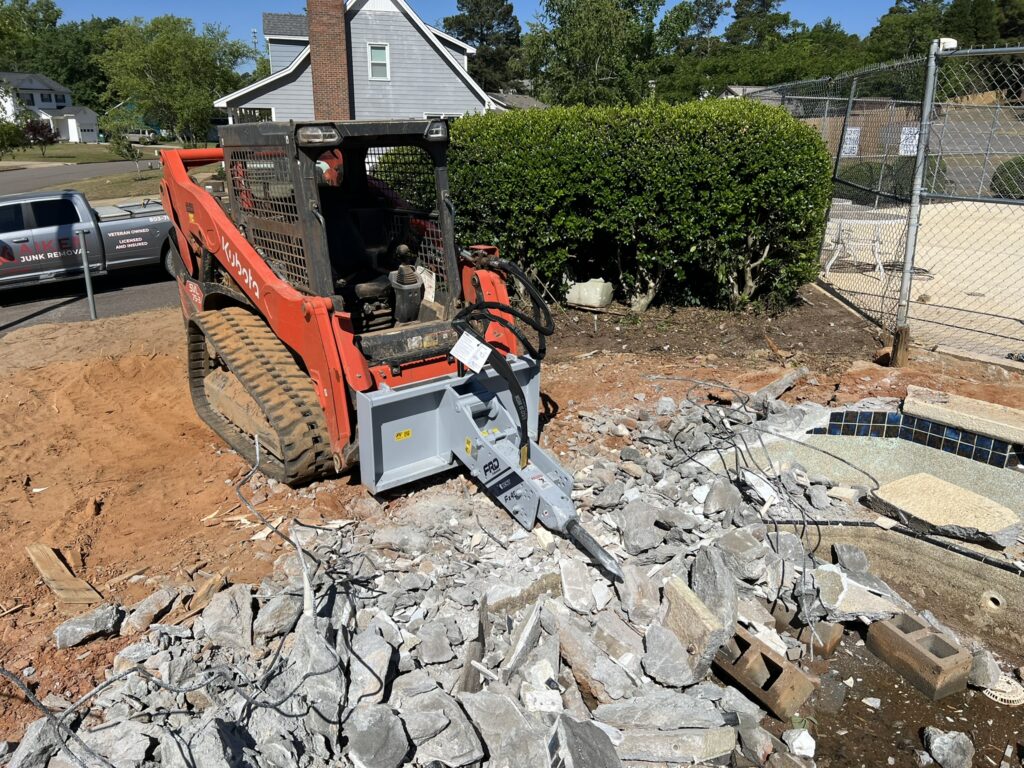
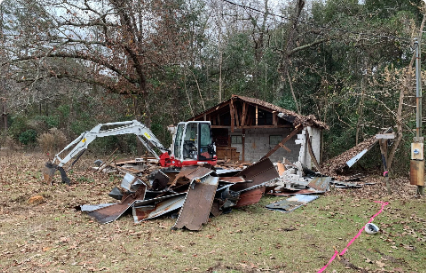
For demolition projects, the structure may be reduced into manageable material using equipment suited to the site and then loaded for removal.
The appropriate equipment should fit the job rather than simply being the largest machine available.
Space to work, truck access, retained features, utilities, material handling, and the final result all matter when the contractor plans the sequence.
Aiken Demolition provides structure demolition services for projects that fit its established service scope, including mobile homes and other whole-structure removal work.
What Happens to the Demolition Debris?
Once a mobile home is taken apart, the material still has to be gathered, loaded, hauled, and handled according to the agreed scope.
An older mobile home may contain combinations of wood, metal, roofing, insulation, wall material, flooring, fixtures, wiring, plumbing components, appliances, glass, and other debris.
Recycling, salvage, repurposing, or material reuse may be considered when practical or possible, depending on the condition of the materials, quantity, available receiving options, access, transportation needs, and project circumstances.
If the owner has a specific item they hope to save or reuse, that should be discussed before demolition rather than after the structure has already been reduced.
What Should the Site Look Like When the Mobile Home Is Gone?
One of the best questions to answer before accepting a demolition quote is: What do I expect to see when the contractor is finished?
That may sound simple, but property owners and contractors can use words such as “cleanup,” “remove,” or “clear the lot” differently.
The scope should clarify whether the project includes:
- Removal of the mobile home itself
- Removal of identified loose demolition debris
- Removal of selected contents
- Removal of decks, steps, porches, or additions
- Removal or retention of piers, blocks, pads, or concrete
- Backfill where appropriate to the agreed scope
- Basic grading or another agreed final-site condition
Not every project includes all of these items. That is exactly why they should be defined in writing.
What Information Should You Send When Requesting a Quote?
You can make the first review much more useful by sending a short but complete project summary.
- The exact property address
- Approximate mobile home size
- Several clear photos of the home
- Photos of the entrance, driveway, gate, and work area
- What is still inside the home
- Known utility information
- Any decks, steps, skirting, porches, additions, sheds, or other attached features
- Nearby structures or improvements that must remain
- Whether piers, pads, foundations, or concrete should remain or be reviewed for removal
- The final condition you want for the property
- Anything unusual about ownership, access, occupancy, or the condition of the home
If you do not know all of those answers yet, you can still make contact.
Send what you know and identify the areas that are uncertain. A demolition contractor can then determine what additional information or onsite review may be needed.
Another Real-World Example: Mobile Home Removal in New Ellenton, SC
Aiken Demolition has also documented a mobile home removal project in New Ellenton, South Carolina, involving an out-of-state property owner.
That project provides another real-world look at mobile home removal, but it serves a different purpose from this article.
The New Ellenton page is a project case study. This page answers the broader customer question of how someone should begin the process of getting an old mobile home removed.
See that project here: Mobile Home Removal in New Ellenton SC for an Out-of-State Property Owner.
Does Aiken Demolition Serve My Area?
Aiken Demolition works within its established South Carolina service area rather than claiming blanket statewide coverage.
If you have an old mobile home in Aiken, North Augusta, or another listed service area, review the current service areas or contact the company with the property address so the location can be confirmed.
Providing the exact address also helps the contractor evaluate practical considerations such as travel, site access, hauling, and whether the project fits the company’s current service area and scope.
Final Summary
Old mobile home removal starts with identifying the property, the structure, the access, and the result you want.
Tell the contractor what remains inside, what attached features should be removed, what is known about utilities, whether piers or concrete should remain, and what you expect the work area to look like afterward.
The North Augusta before-and-after project also shows why mobile home removal is about more than making the structure disappear. Equipment access, debris handling, surrounding property, cleanup, and the agreed finished condition all belong in the planning conversation.
Need an Old Mobile Home Removed?
Share the property address, photographs, access conditions, what is still inside, known utility information, attached features, concrete or foundation expectations, and the finished condition you want. Aiken Demolition can review the information needed to begin defining the scope.
Request a Project QuoteFrequently Asked Questions
How do I get an old mobile home removed in South Carolina?
Start by giving the demolition contractor the property address, photographs of the mobile home and access route, its approximate size, what remains inside, known utility information, attached features, nearby improvements that must remain, and the condition you want the property left in afterward. The contractor can then determine what still needs to be verified before the scope is finalized.
Do I need to empty the mobile home before demolition?
Not necessarily, but the contractor needs to know what remains inside. Furniture, appliances, household junk, stored materials, scrap, and other loose contents can affect handling, hauling, and the agreed scope. The quote should clearly identify which contents are included.
What should I tell the contractor about utilities?
Identify known electrical, water, sewer, septic, well, propane, gas, communication, HVAC, or other utilities connected to or located near the home. If a service has already been disconnected, explain what was done and by whom. If you are unsure, identify that uncertainty rather than guessing.
Can porches, decks, steps, skirting, or additions be removed with the mobile home?
They may be included when they are part of the agreed project scope. Porches, decks, ramps, steps, skirting, awnings, additions, sheds, carports, and similar features should be shown to the contractor and specifically identified as items to remove or leave in place.
Does mobile home removal include piers, foundations, or concrete?
Not automatically. Mobile homes may sit on piers, blocks, footings, runners, pads, slabs, or other supporting materials. Tell the contractor whether those items should remain or be reviewed for removal so the finished scope is clear.
Can an old mobile home removal be quoted from photographs?
Photographs can be very helpful for an initial review when they show the mobile home, surrounding property, driveway, gate, equipment access, nearby structures, and visible utilities. An onsite review may still be needed when important conditions cannot be confirmed remotely.
What photographs should I send for a mobile home removal quote?
Send clear photographs of all accessible sides of the mobile home along with the route from the road to the work area. Include the driveway, gates, turns, slopes, nearby buildings, trees, fences, overhead lines, visible utility equipment, attached features, and anything that must remain.
What happens to the debris after a mobile home is demolished?
Debris handling is part of the project plan. Material may need to be reduced, gathered, loaded, hauled, and removed according to the agreed scope. Recycling, salvage, repurposing, or reuse may be considered when practical or possible.
What should the property look like after the mobile home is removed?
That should be defined before the project begins. Clarify whether the scope includes only the mobile home or also loose debris, attached structures, piers, blocks, pads, concrete, backfill, grading, or another agreed final-site condition.
Does Aiken Demolition remove mobile homes everywhere in South Carolina?
Aiken Demolition works within its established service area rather than claiming blanket statewide coverage. Provide the exact property address and review the current Aiken Demolition service areas to determine whether the location fits the company’s current coverage.