Quick Answer
Light demolition usually involves removing smaller items or features such as decks, fences, small sheds, flooring, cabinets, fixtures, or certain interior features. Structure demolition involves removing whole structures such as houses, garages, mobile homes, large sheds, barns, outbuildings, or small commercial buildings.
The difference matters because structure demolition often requires more planning, heavier equipment, stronger safety controls, possible permits, and more careful debris handling. Light demolition may be simpler, but it still needs to be reviewed before work begins.
The safest step is to identify what is being removed, whether the work affects load-bearing areas, whether utilities are involved, and whether the project may require local approval before demolition starts.
When property owners compare light demolition and structure demolition, the difference may sound simple at first. One job seems small, while the other seems large. But in the demolition world, the difference affects planning, equipment, scheduling, safety, hauling, disposal, and in some cases, permits or local review.
A fence removal is not the same as tearing down a garage. Removing old flooring is not the same as bringing down a damaged structure. Even interior demolition can become more involved if walls, ceilings, utilities, or building support concerns are part of the project.
At Aiken Demolition, we believe customers should understand the difference before scheduling work. Knowing what kind of demolition project you have helps avoid confusion, delays, safety concerns, and unexpected scope changes once the job begins.
What Is Light Demolition?
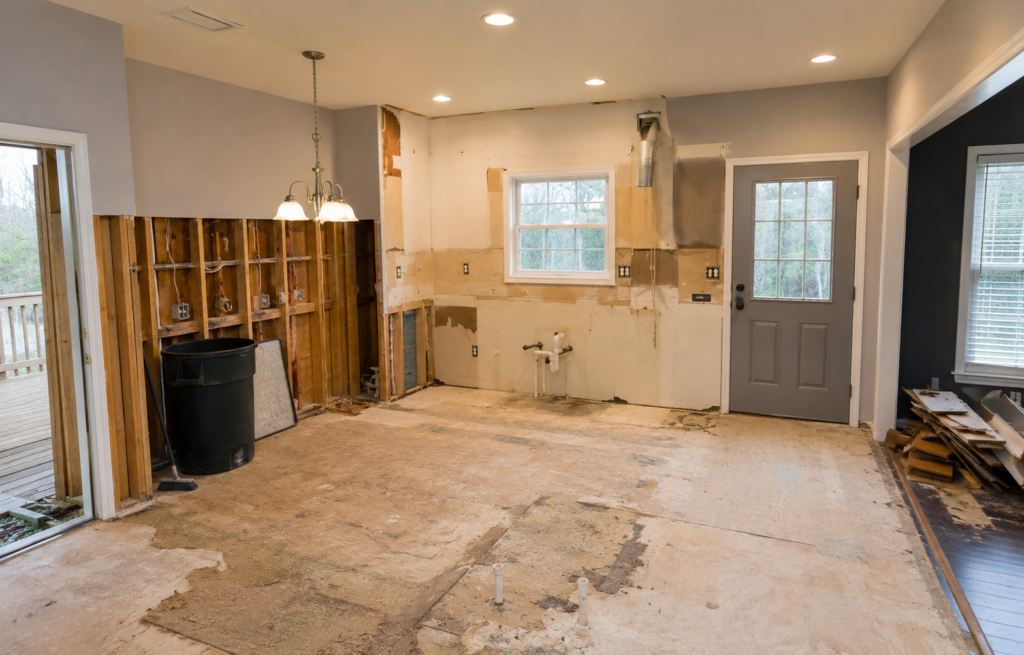
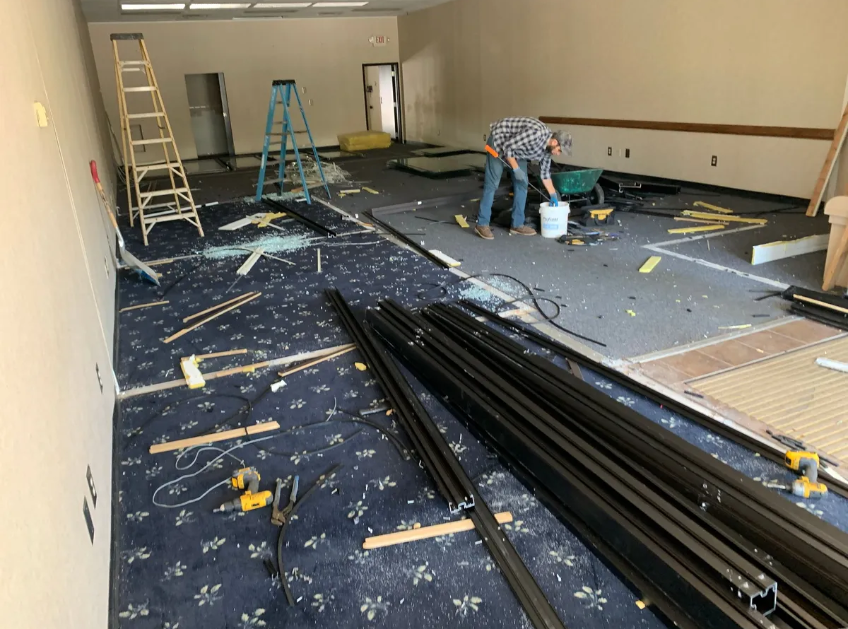
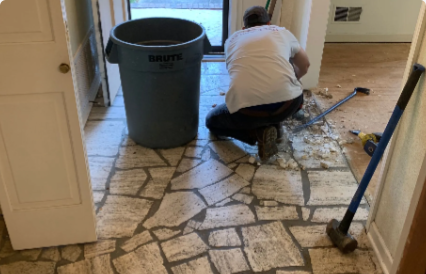
Light demolition usually refers to smaller-scale removal work that does not involve tearing down an entire building or removing major load-bearing building components. These jobs may still require skill, equipment, hauling, and safe handling, but they are generally less complex than full structure demolition.
Light demolition projects may include:
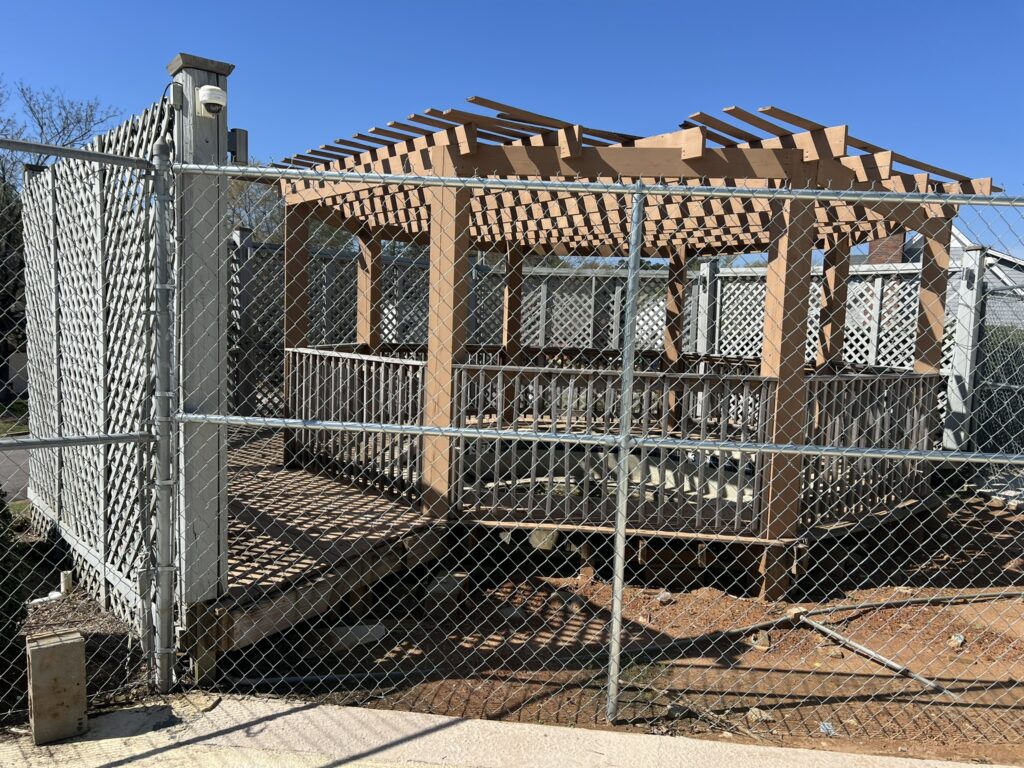
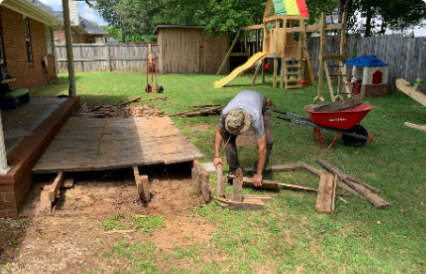
- Deck demolition
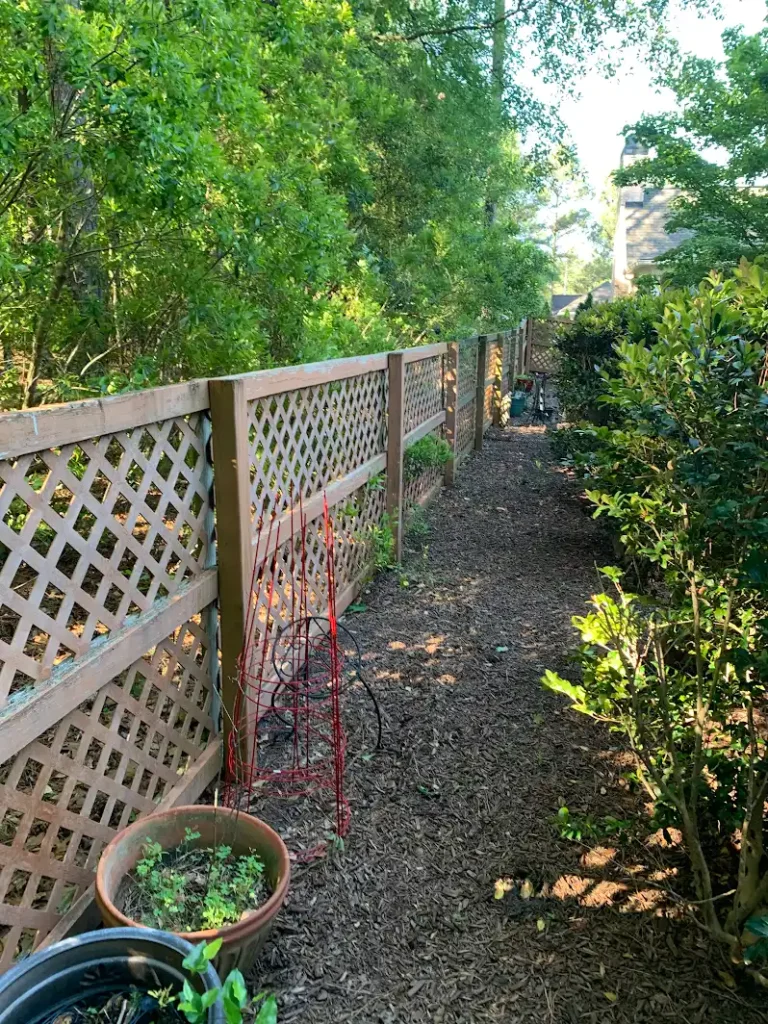
- Fence removal
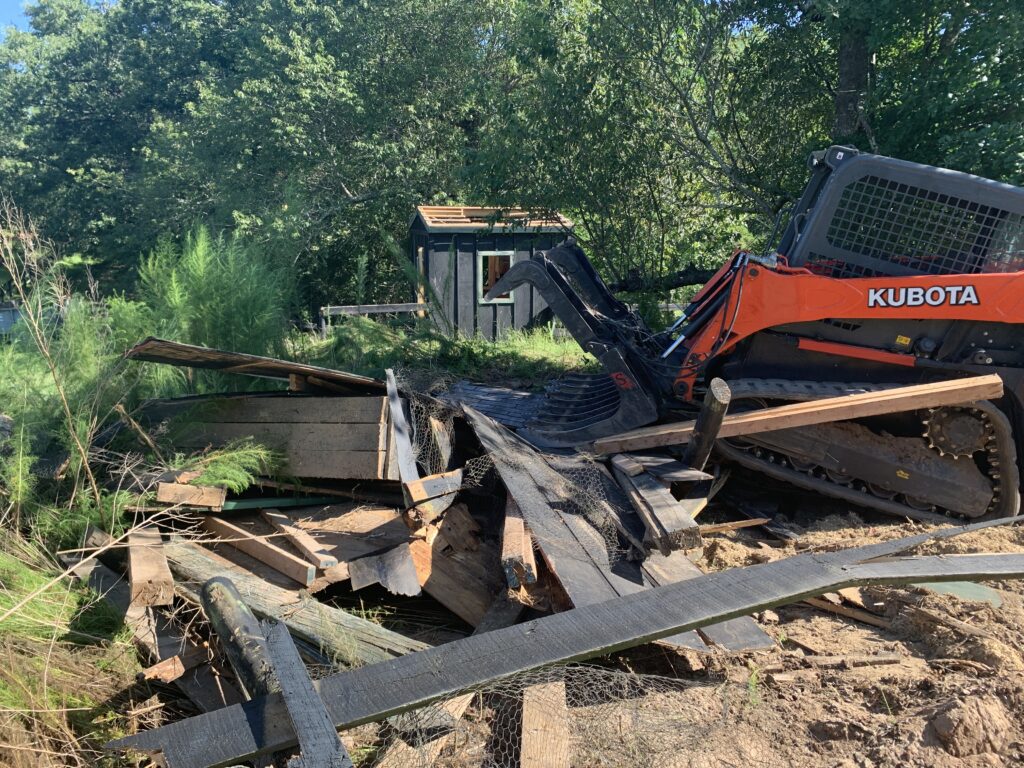
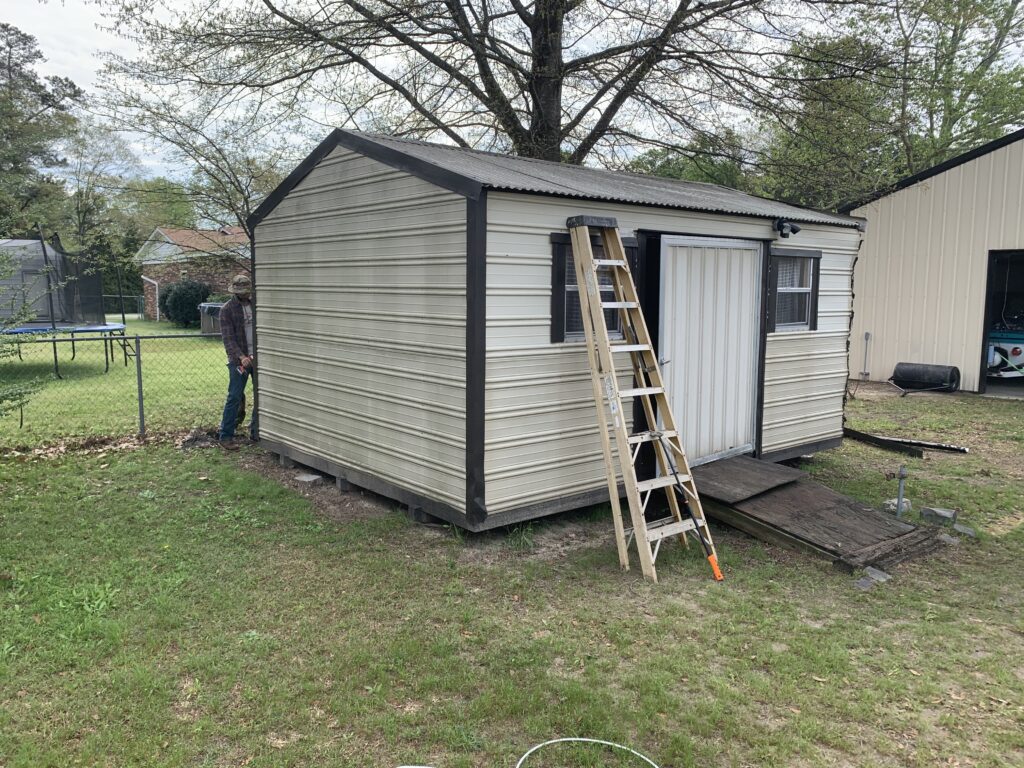
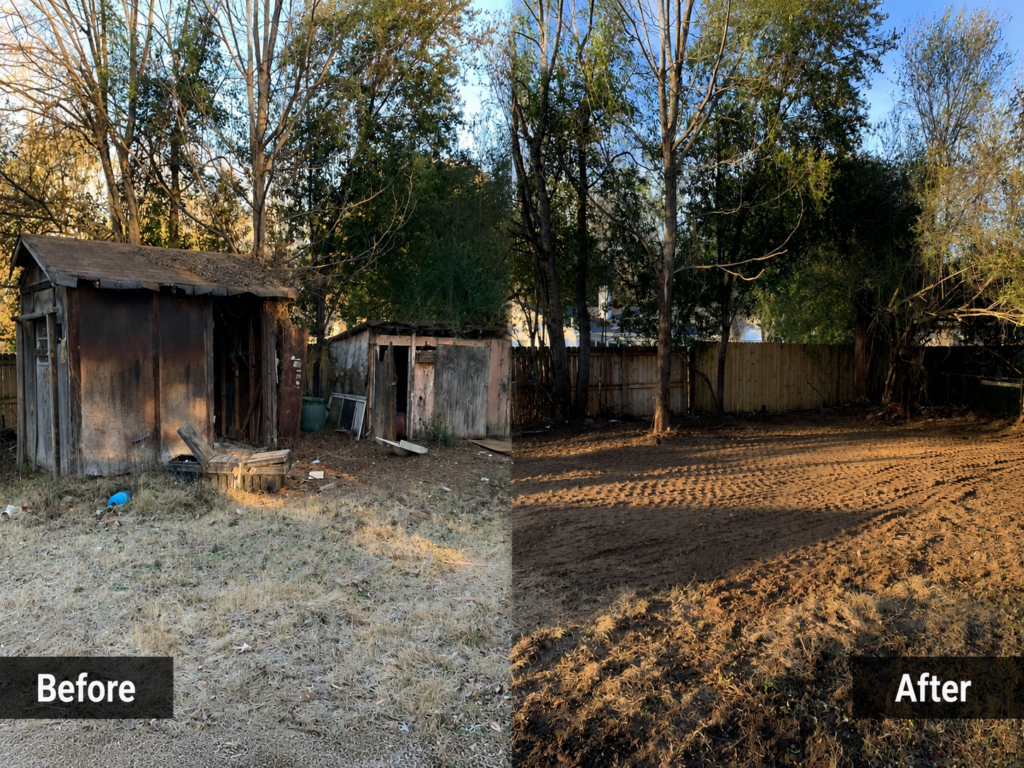
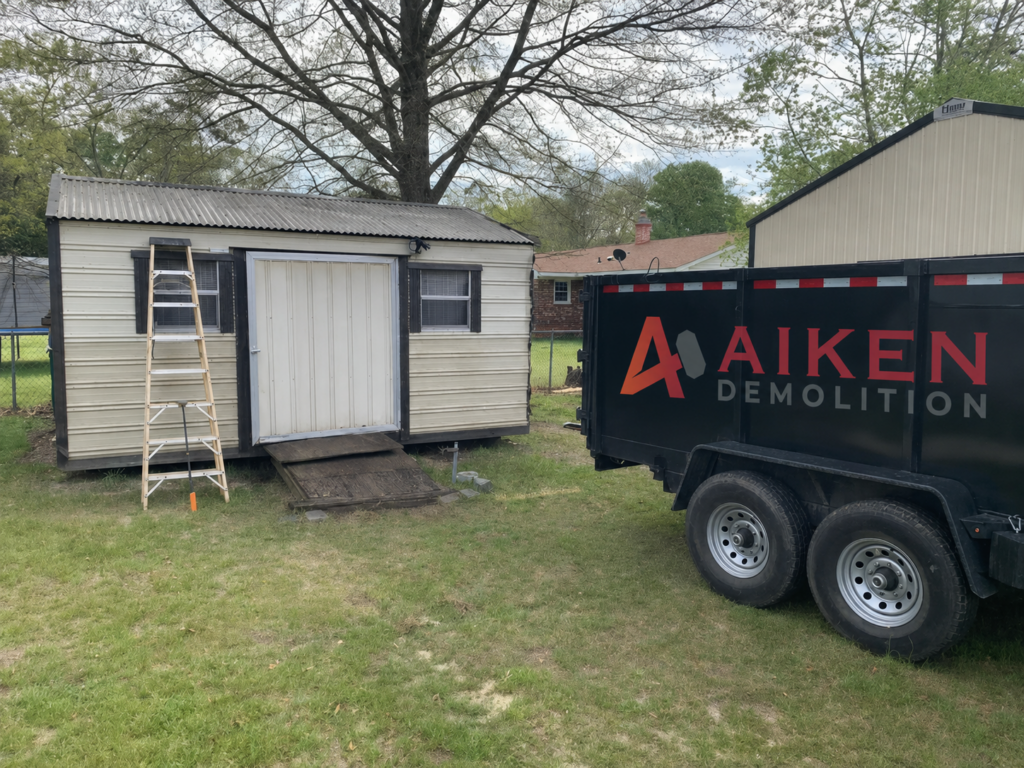
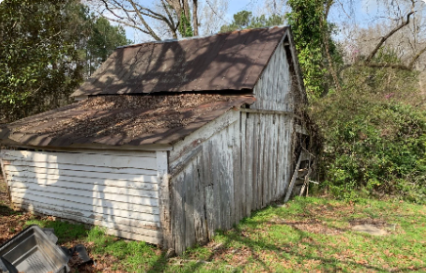
- Shed teardown
- Playset removal
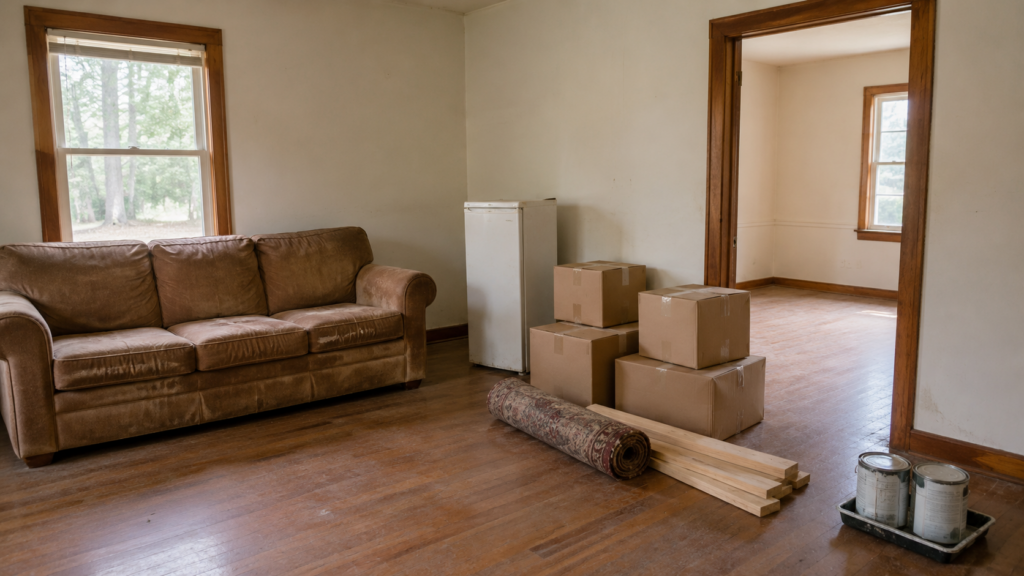
- Flooring removal
- Cabinet or fixture removal
- Small interior demolition work
These projects often involve removing unwanted materials, clearing space, preparing for repairs, or helping a property owner move forward with a renovation, cleanup, or outdoor improvement project.
What Is Structure Demolition?
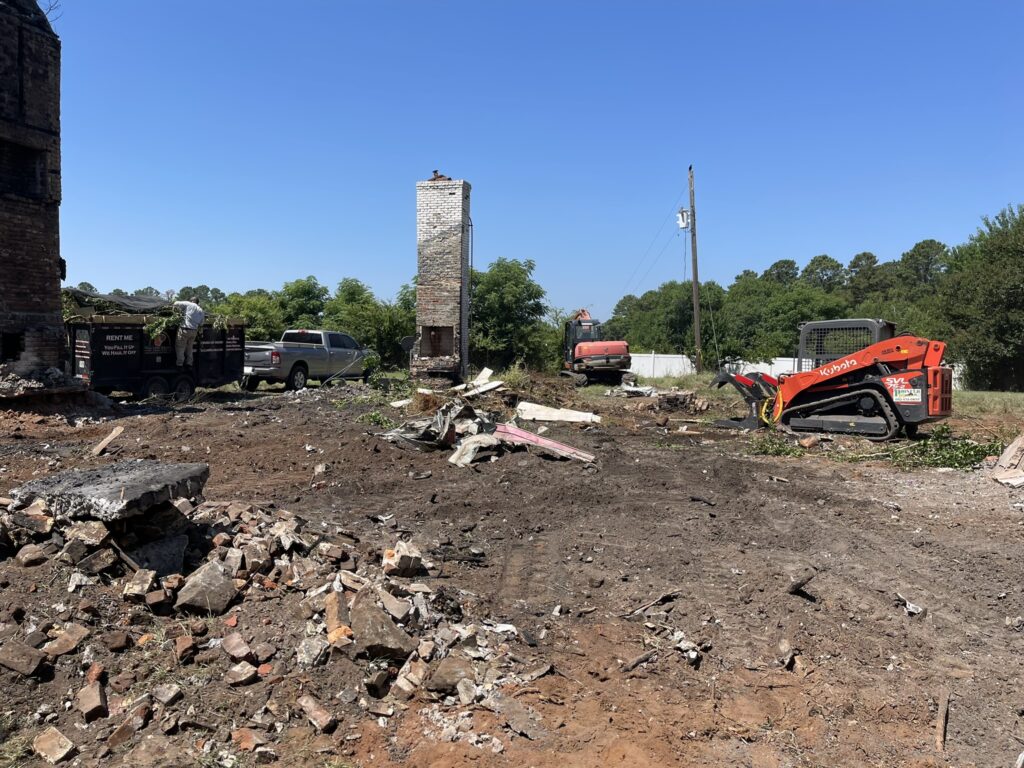
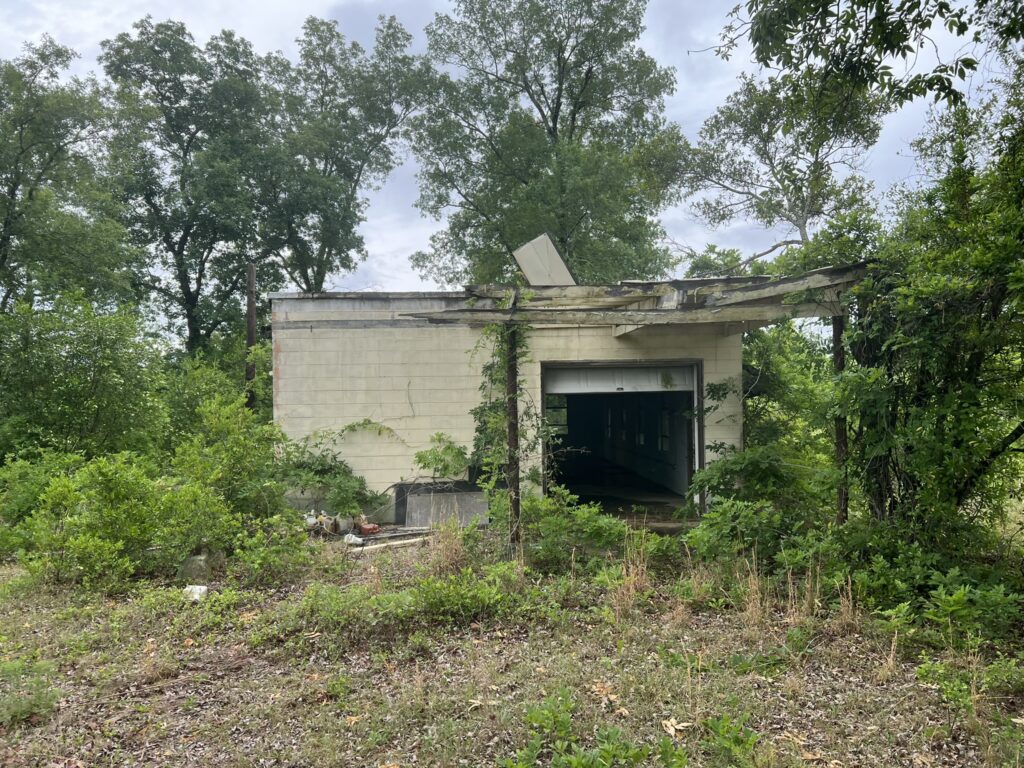
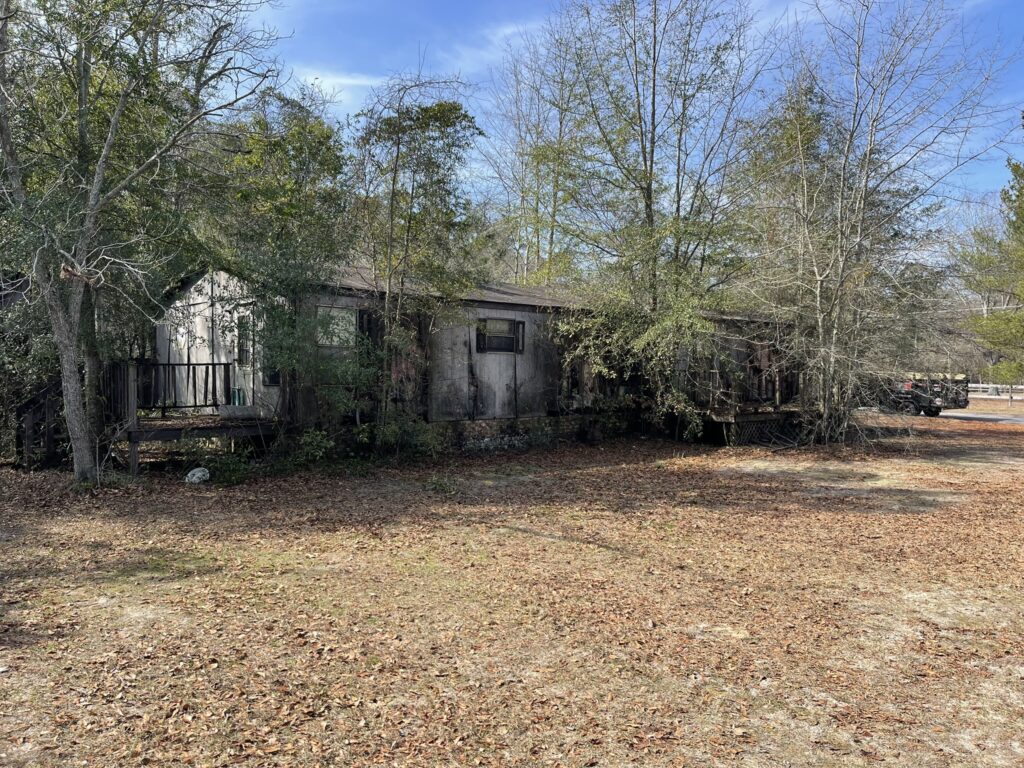
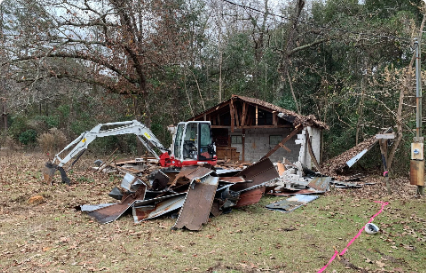
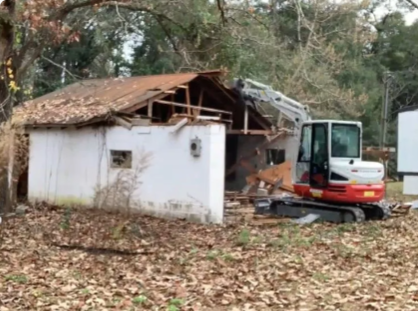
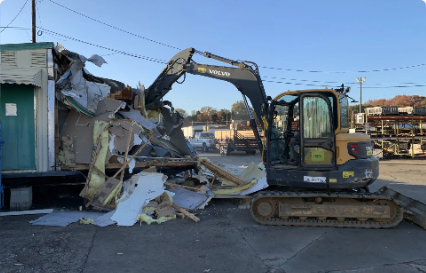
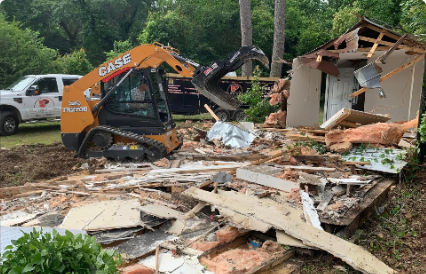
Structure demolition involves removing whole structures or larger buildings. This type of work can involve heavier equipment, more detailed safety planning, utility coordination, debris hauling, and possible permit requirements depending on the property and scope.
Structure demolition may include:
- House demolition
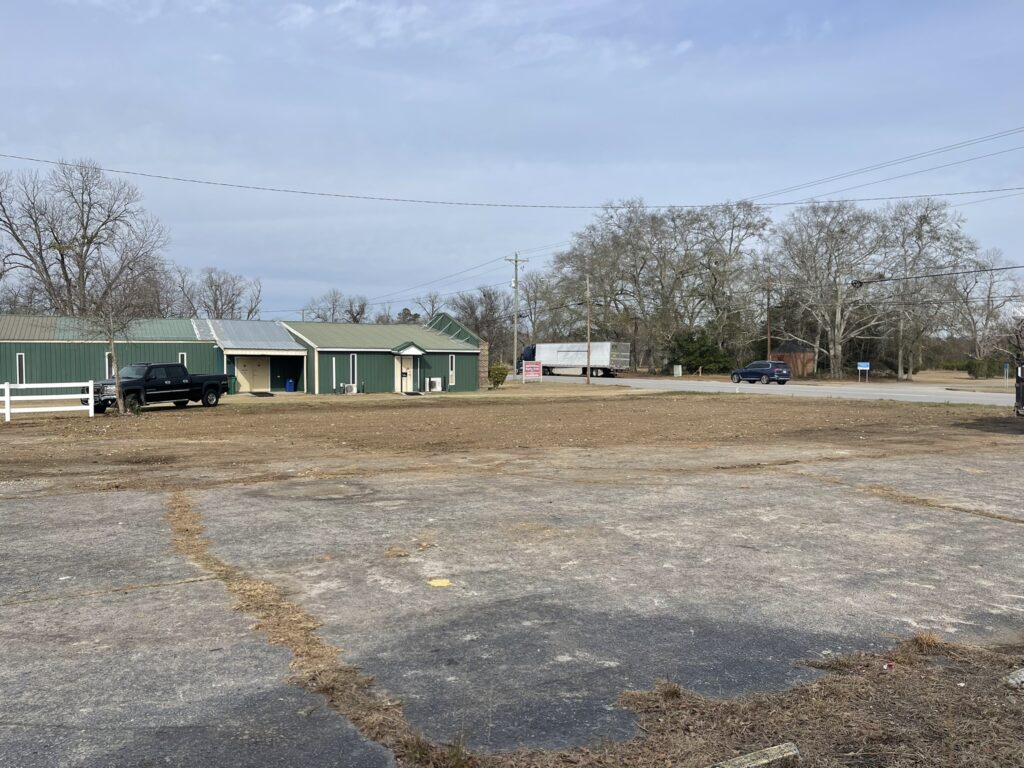
- Garage demolition
- Commercial building demolition
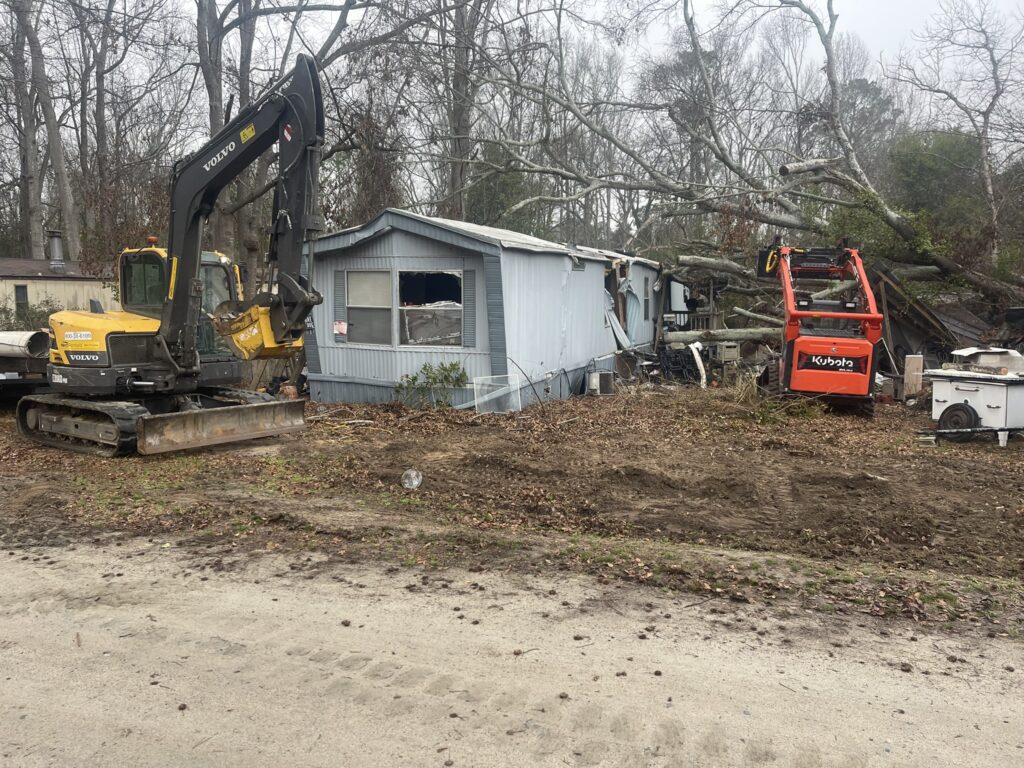
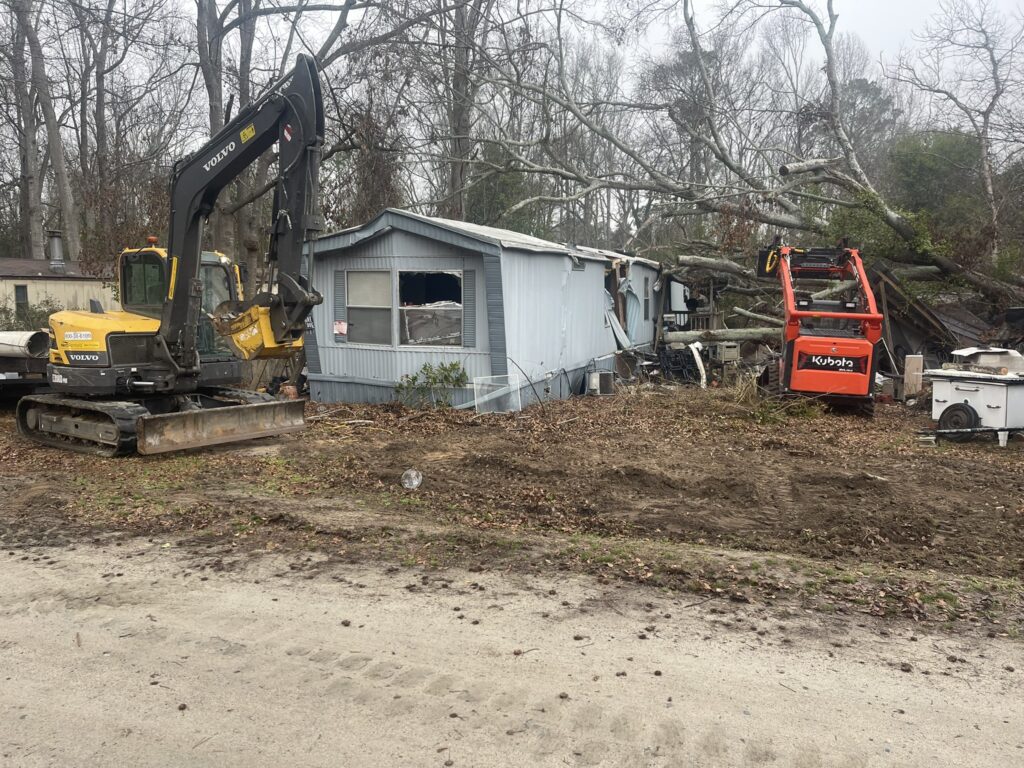
- Mobile home removal
- Large detached structure removal
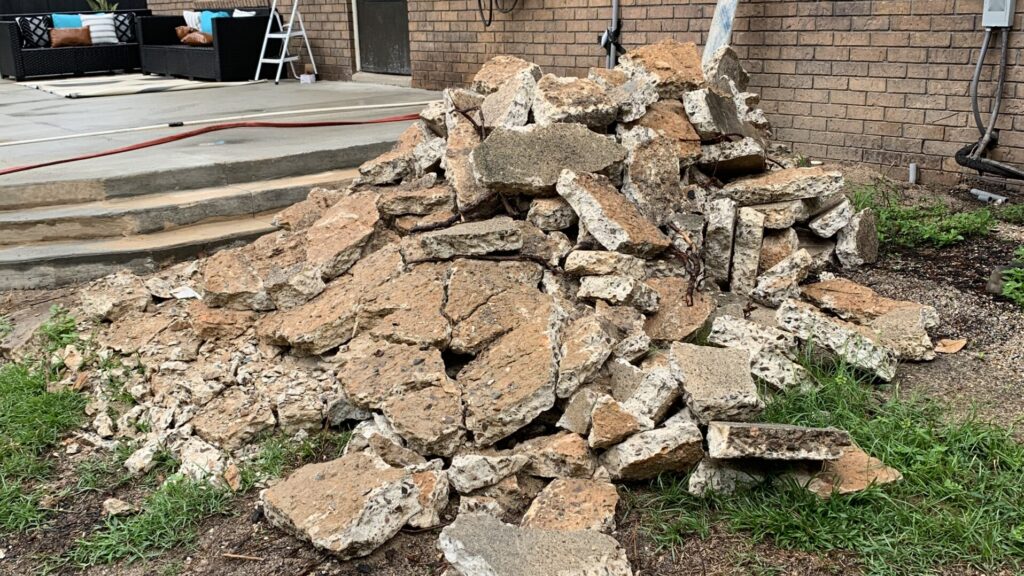
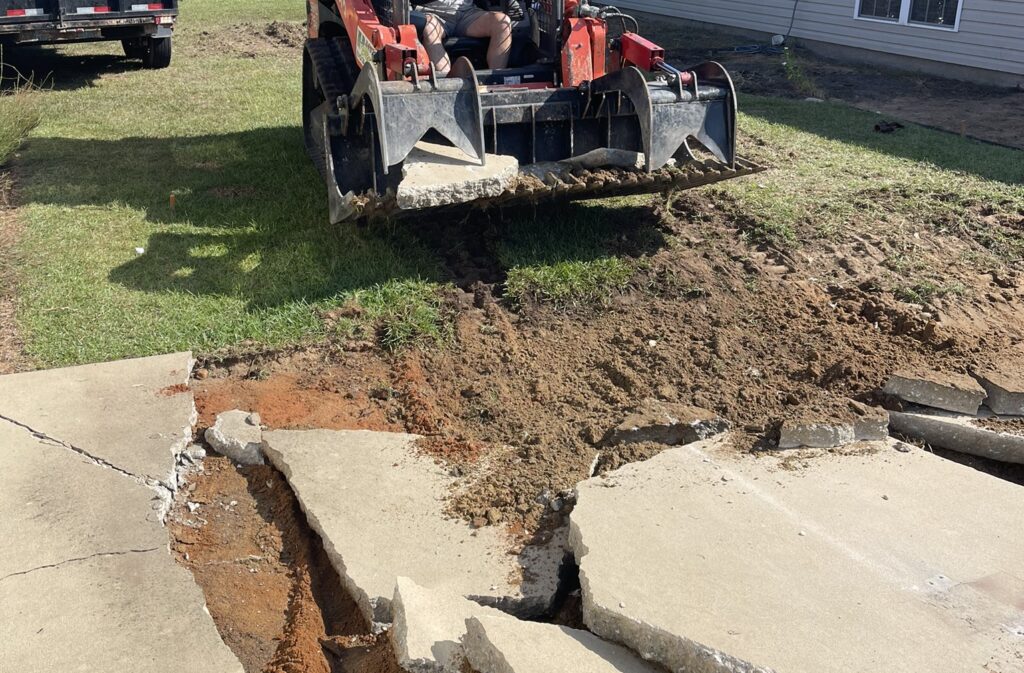
- Concrete foundation removal
- Whole-building teardown
Because structure demolition can involve larger buildings, nearby property, utilities, and site safety concerns, it should be approached carefully and professionally.
Important Planning Reminder
Before deciding whether a project is light demolition or structure demolition, look at what is being removed, how large it is, whether building support concerns are involved, and whether utilities, concrete, permits, or heavy debris may be part of the job.
Key Differences Between Light and Structure Demolition
The biggest difference is the level of risk and complexity. Light demolition is usually smaller in scope, while structure demolition involves larger materials, heavier equipment, and greater safety concerns.
Common differences include:
- Project size: Light demolition usually focuses on smaller items or limited areas, while structure demolition may involve an entire building or larger structure.
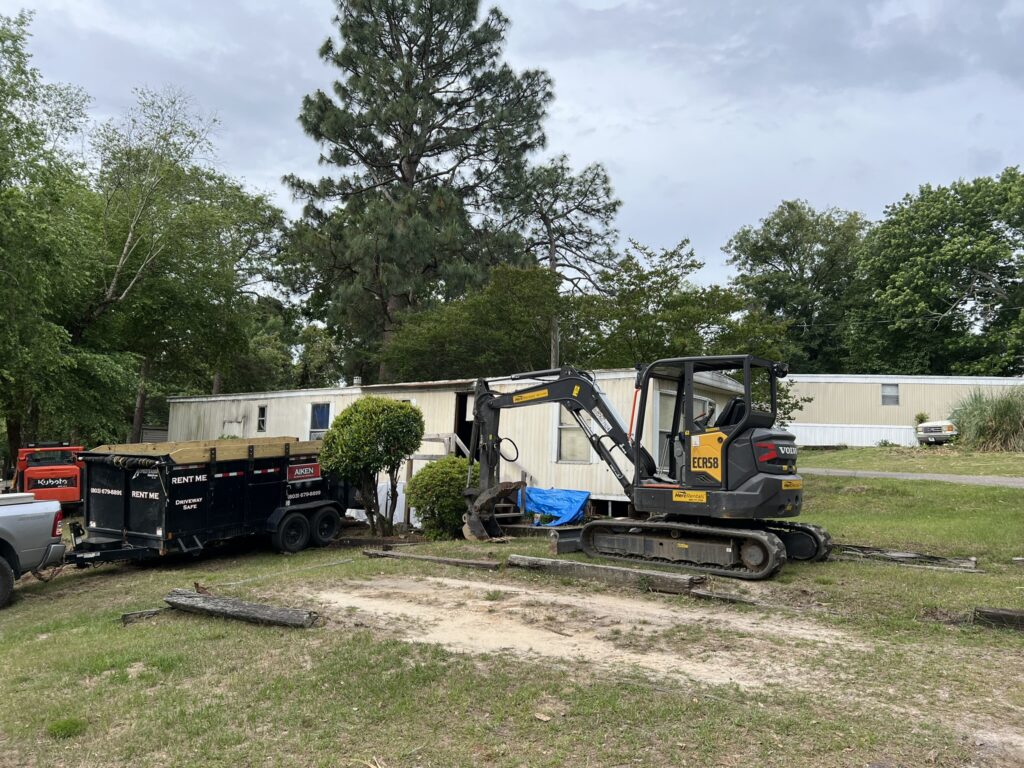
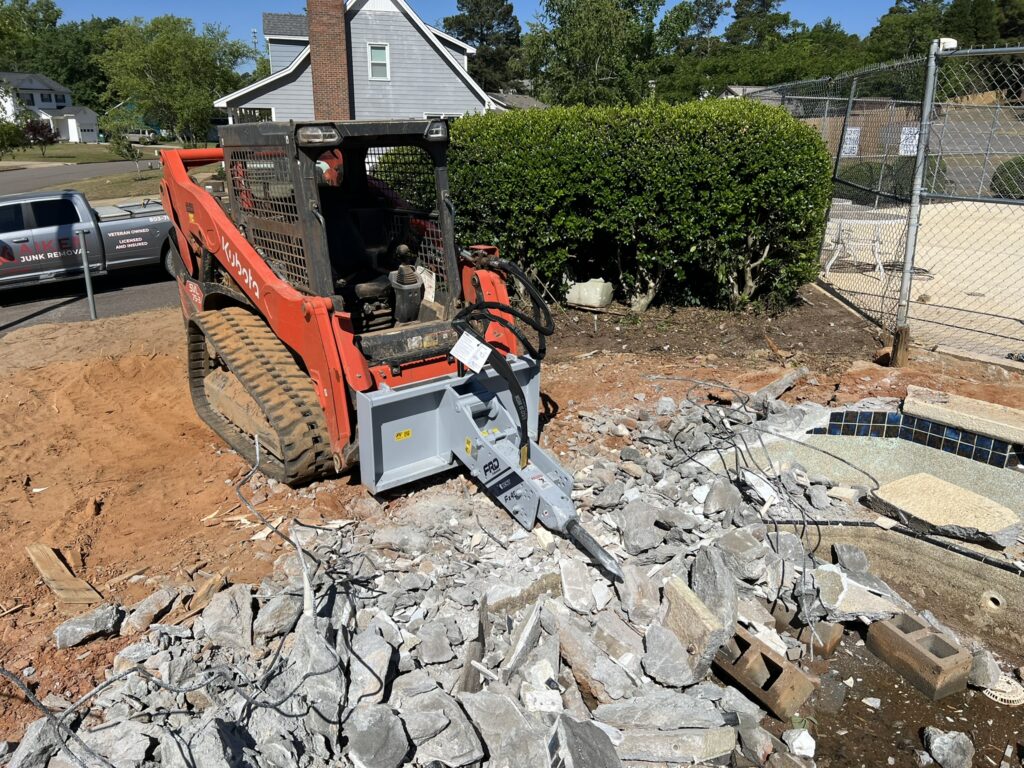
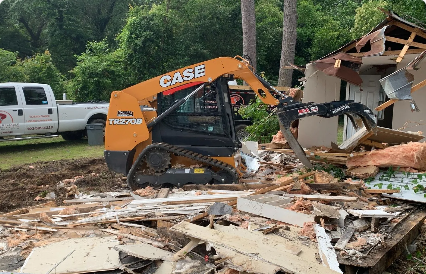
- Equipment needs: Light demolition may use smaller tools and light machinery, while structure demolition may require skid steers, excavators, trailers, or other equipment.
- Permit questions: Some light demolition may not require formal approval, while structure demolition is more likely to require review or permits.
- Safety concerns: Structure demolition can involve collapse risks, heavy debris, utility hazards, and controlled teardown planning.
- Timeline: Light demolition may be completed faster, while structural projects may involve multiple steps.
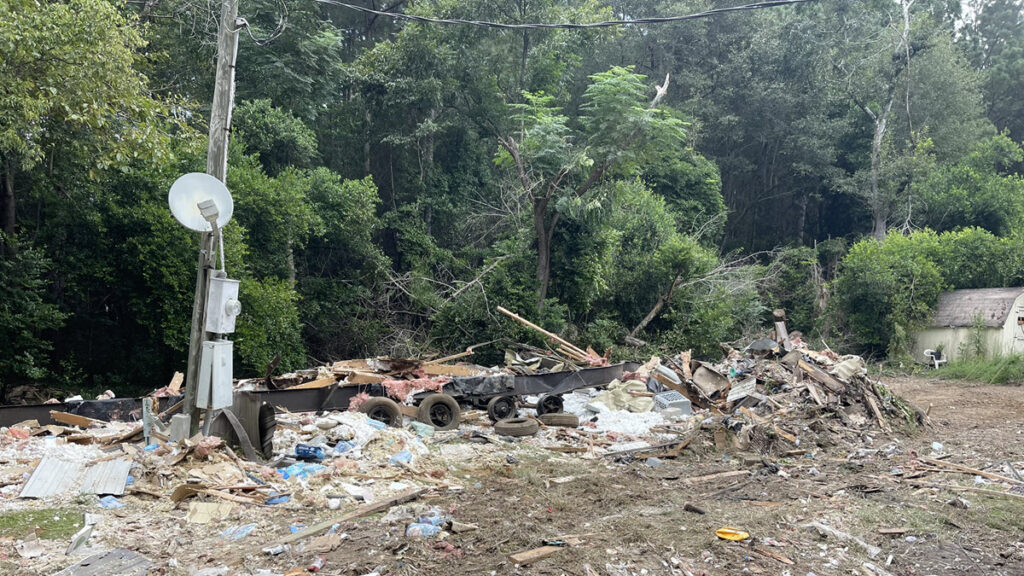
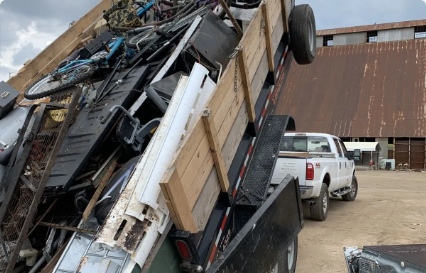
- Debris handling: Structure demolition generally creates more debris and may require more hauling and disposal coordination.
These differences are why a simple project description is important. The right demolition service depends on what is being removed, where it is located, and what risks or requirements are involved.
Safety Considerations
Every demolition project should be handled with safety in mind, but structure demolition carries additional risks. Larger structures may shift, collapse, or expose hidden problems once work begins.
Structure demolition may involve concerns such as:
- Load-bearing walls or supports
- Heavy debris
- Equipment operation
- Underground utility risks
- Overhead lines or nearby structures
- Unstable or damaged buildings
- Older materials that may need special review
Professional demolition contractors are trained to think through these concerns before work starts. The goal is not just to tear something down, but to do it in a controlled, safe, and responsible way.
Permit and Planning Questions
Permit requirements can vary based on the property location, structure type, project size, and scope of work. A small removal project may be treated differently than a full building demolition, and a property inside city limits may have a different process than a property elsewhere in the county.
Because requirements can vary, it is wise to confirm the proper steps before beginning demolition. This is especially important when utilities, larger structures, commercial properties, mobile homes, or older buildings are involved.
If a project may affect public safety, utilities, building stability, drainage, debris disposal, or regulated materials, it deserves a closer look before work begins.
Choosing the Right Service
Homeowners and property owners sometimes underestimate how much planning a demolition project may require. What looks like a quick removal can become more involved once access, debris, hauling, utilities, structure type, and site conditions are considered.
Understanding whether your project is light demolition or structure demolition helps determine:
- What equipment may be needed
- How long the work may take
- Whether permit questions should be reviewed
- How debris should be handled
- Whether utilities need to be checked
- How much site preparation may be required
A professional review can help you avoid choosing the wrong service or underestimating what the project requires.
Understanding the Full Demolition Process
Light demolition and structure demolition are both part of a broader demolition process. Depending on the job, the process may include site review, access planning, equipment selection, safety preparation, utility coordination, debris hauling, disposal, and cleanup.
For a complete breakdown of demolition project types available locally, visit our Demolition Services in Aiken SC page to see how Aiken Demolition handles residential and commercial demolition needs.
How Aiken Demolition Can Help
Aiken Demolition helps customers think through the type of demolition work they need before the project begins. We look at the scope, structure, access, debris, safety concerns, and practical next steps so the job can be planned properly.
Whether your project involves a small removal or a larger structure teardown, we can help you discuss the details and determine the best path forward.
Our goal is to make the demolition process clearer, safer, and easier for homeowners, contractors, property managers, and business owners in Aiken and nearby communities.
Final Summary
- Light demolition usually removes smaller items, features, fixtures, or limited project areas.
- Structure demolition involves larger structures or whole-building removal.
- Structure demolition often requires more planning, equipment, and safety control.
- Permit questions should be reviewed before larger demolition projects begin.
- Debris handling, access, utilities, and site conditions can affect the project.
- Professional demolition helps customers choose the right service and plan the work properly.
Need Help Choosing the Right Demolition Service?
Contact Aiken Demolition to discuss your project, scope, timeline, and next steps. We can help you determine whether your project is light demolition, structure demolition, or another type of demolition service.
Get a QuoteFrequently Asked Questions
What is the main difference between light demolition and structure demolition?
Light demolition usually involves smaller removals such as decks, fences, small sheds, flooring, cabinets, fixtures, or certain interior features. Structure demolition involves removing whole structures such as houses, garages, mobile homes, large sheds, barns, outbuildings, or small commercial buildings.
Does light demolition usually require heavy equipment?
Some light demolition can be handled with smaller tools and lighter equipment, but every project is different. Access, debris volume, material weight, and site conditions can affect what equipment may be needed.
Is structure demolition more involved than light demolition?
Structure demolition is usually more involved because it may include larger structures, heavier debris, utility concerns, equipment operation, and controlled teardown planning. That is why larger demolition projects require careful planning and safe, professional execution.
Do I need a permit for structure demolition in Aiken, SC?
Many structure demolition projects may require permits or local approval, but the exact requirement depends on the property location, structure type, and project scope. It is best to confirm permit questions before demolition begins.
How do I know which demolition service I need?
Start by identifying what needs to be removed, whether it is attached to a structure, whether utilities are involved, and how much debris will need to be hauled away. Aiken Demolition can help you review the project details and determine whether light demolition, structure demolition, or another service fits the job.