Quick Answer
Before a demolition crew arrives in Aiken SC, property owners should clear personal items, provide safe access, confirm what needs to be removed, identify utility concerns, ask about permits, and communicate any site conditions that could affect the work.
Good preparation helps the demolition crew work more safely and efficiently. It can also reduce delays, prevent confusion, protect surrounding property, and make cleanup easier once the project begins.
The best first step is to talk through the project clearly before work starts so everyone understands the scope, access, timeline, debris expectations, and anything that must not be damaged or removed.
When a demolition project is scheduled, most property owners naturally think about the day the structure comes down. But the work that happens before the crew arrives can make a major difference in how smoothly the project goes.
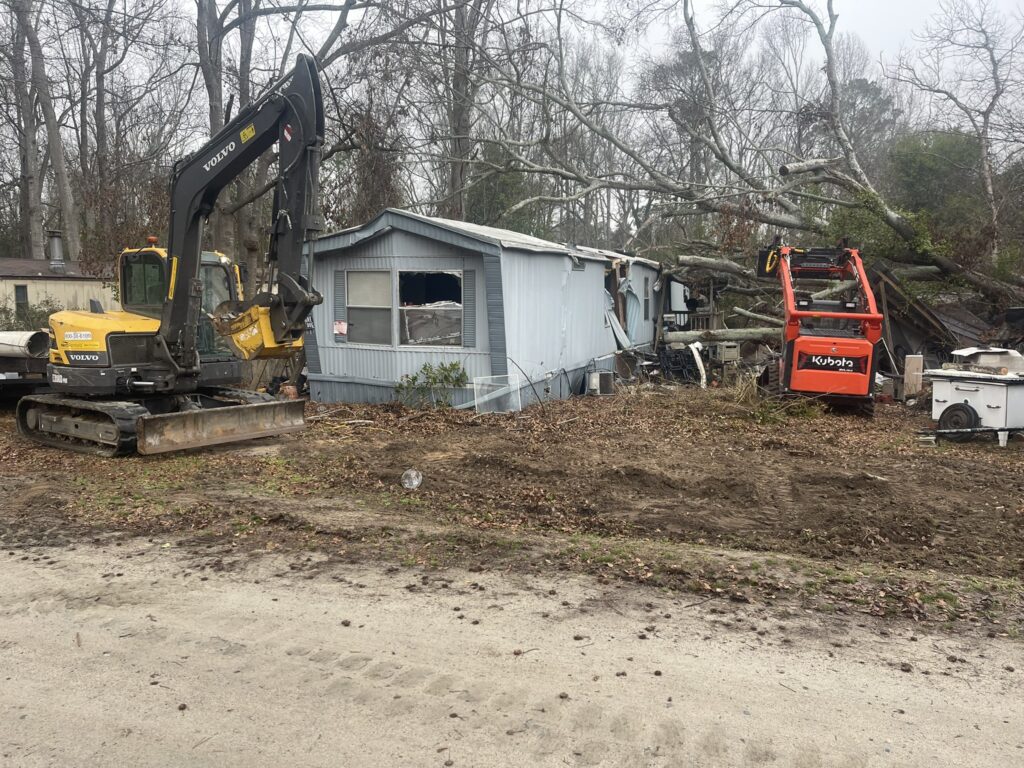
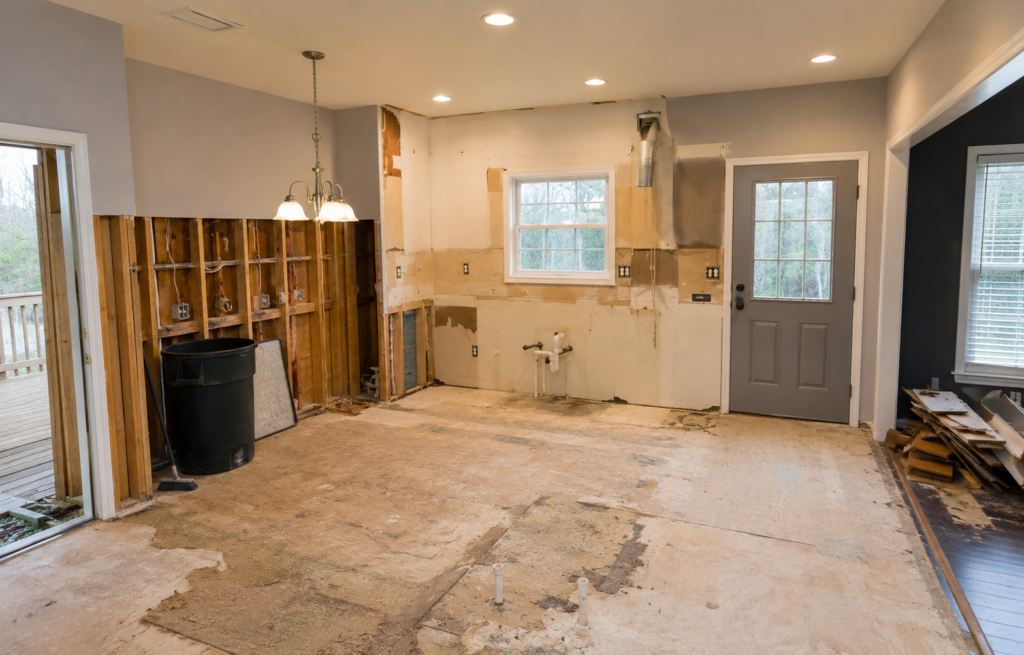
Aiken demolition projects can involve sheds, garages, decks, interior spaces, concrete, mobile homes, small structures, larger buildings, or selective removal before renovation. Each type of project has its own details, but most successful demolition jobs start with the same basic preparation.
Whether you are a homeowner, contractor, landlord, or business owner, knowing what to do before a demolition crew arrives can help avoid confusion, protect the property, and keep the project moving in the right direction.
Confirm Exactly What Is Being Removed
The first step is to make sure the scope of work is clear. Demolition mistakes can be expensive, so the property owner and demolition crew should both understand what is being removed and what must stay.
Before the crew arrives, walk the area and identify:
- The structure, material, wall, slab, deck, shed, garage, or feature being removed
- Anything nearby that needs to be protected
- Any doors, windows, fixtures, cabinets, or materials that should remain
- Whether the project includes cleanup and hauling
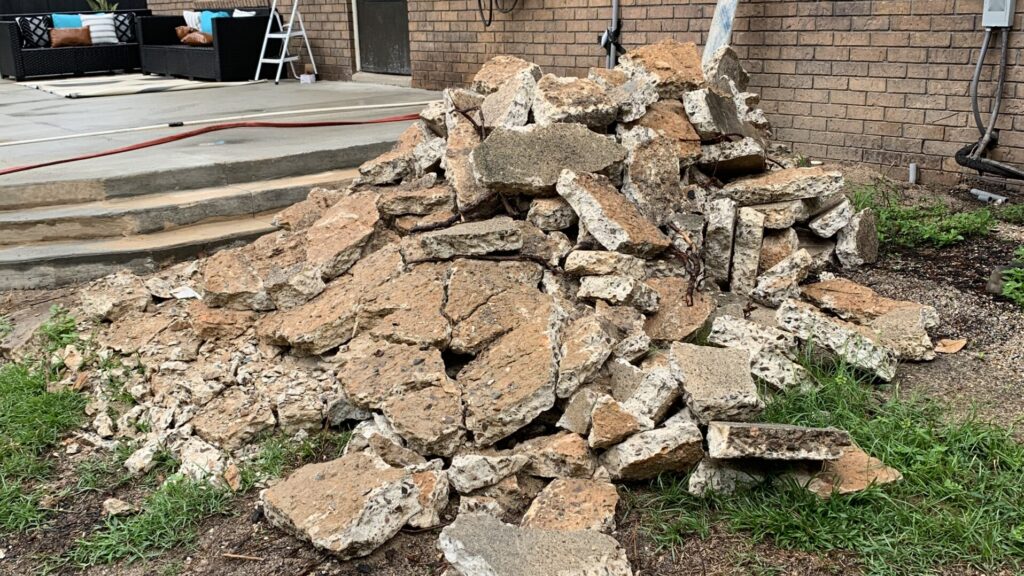
- Whether concrete, block, metal, wood, or mixed debris is involved
Clear communication matters whether the job is a light demolition project or a larger structure demolition project. For more information on the difference, check out this article on light demolition vs. structure demolition.
Remove Personal Items from the Work Area
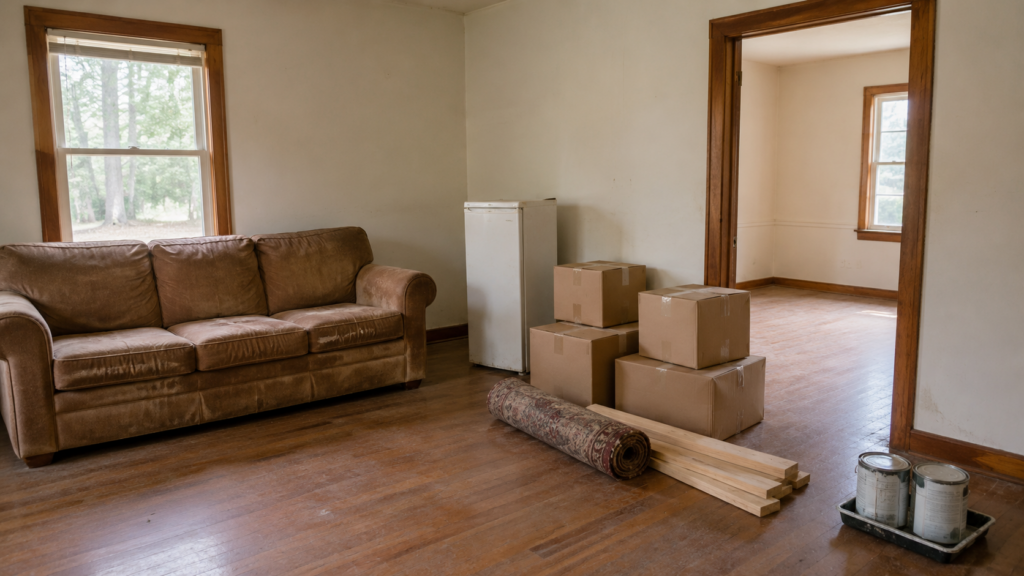
Before demolition begins, remove any personal belongings, tools, furniture, equipment, stored boxes, lawn items, decorations, or loose materials from the area. If a shed, garage, room, or outbuilding is being demolished, it should be cleared as much as possible before the crew arrives.
This helps in several ways. It keeps personal property from being accidentally damaged, gives the crew room to work, reduces delays, and makes debris removal cleaner and more predictable.
If you are not sure whether something should stay or go, ask before work begins. It is better to clarify that detail early than to make assumptions after the demolition process has started.
Make Sure the Crew Has Safe Access
Access is one of the most important parts of demolition preparation. Even a smaller project can become difficult if the crew cannot reach the work area safely.
Before the scheduled work, think about:
- Driveway access
- Gate width
- Low branches or overhead obstructions
- Soft ground or drainage issues
- Nearby vehicles, trailers, or equipment
- Fences, landscaping, or tight corners
- Where debris can be loaded and hauled away
If the crew needs to bring in equipment, trailers, dumpsters, or hauling vehicles, access should be discussed before the job starts. A few extra details up front can help avoid unnecessary delays on the day of demolition.
Helpful Preparation Tip
If possible, take several clear photos of the work area before the demolition crew arrives. Include wide shots, close-up details, access points, nearby structures, gates, driveways, and anything that needs to be protected. Photos can help confirm the scope and reduce surprises.
Identify Utility Concerns Before Work Begins
Utilities are one of the most important safety issues in demolition. Depending on the project, there may be electrical wiring, gas lines, water lines, sewer connections, irrigation lines, private lines, or underground utilities near the work area.
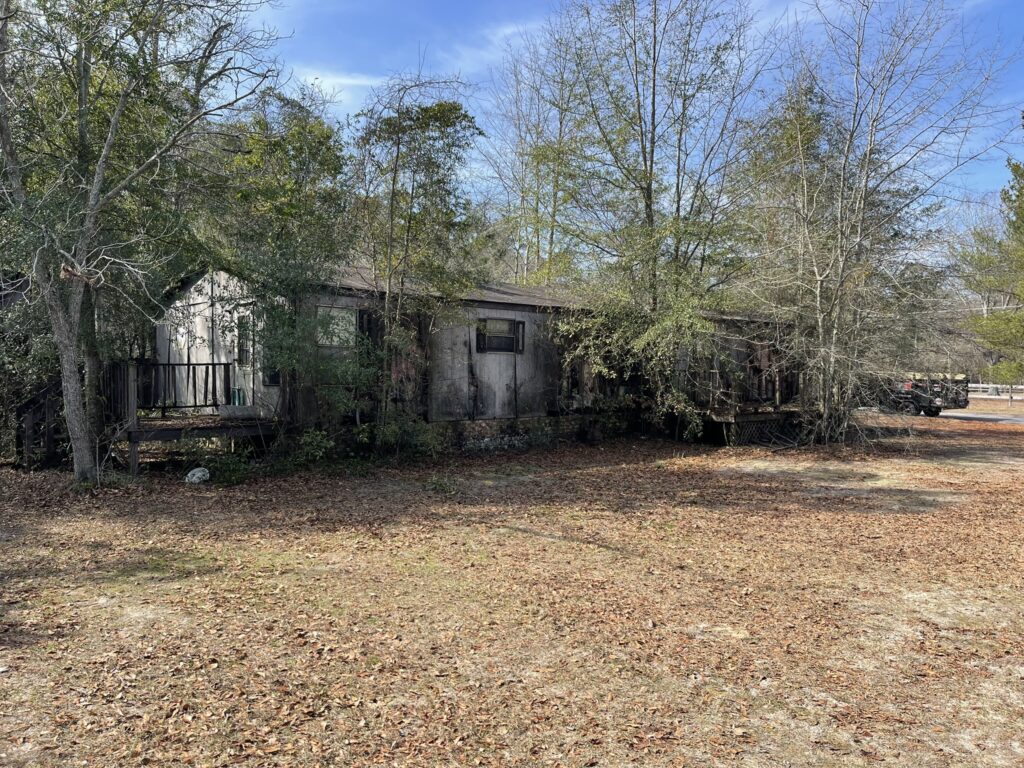
Before the crew arrives, property owners should identify any known utility connections and communicate them clearly. Larger structures, garages, mobile homes, commercial spaces, and interior demolition projects may require extra attention before work begins.
For more guidance, read who disconnects utilities before house or mobile home demolition in Aiken SC.
If digging, grading, slab removal, footing removal, post removal, or ground disturbance is involved, utility locating may also need to be planned in advance. The safest approach is to handle utility questions before demolition starts, not after equipment is already on site.
For larger projects, utility disconnection and verification may also be part of the permit or planning process. For more information on that side of the project, check out this article on demolition permits in Aiken SC.
Ask About Permits Before the Job Starts
Not every demolition project requires the same level of approval. A simple light demolition project may be different from a garage removal, mobile home demolition, house demolition, commercial structure removal, or project involving utilities.
That is why the property location and project type matter. A project inside the City of Aiken may follow a different path than a project handled by Aiken County or another nearby jurisdiction. The safest approach is to confirm permit expectations before work begins.
Permit questions are especially important for:
- Full structure removal
- Garage demolition
- Mobile home removal
- Commercial building demolition
- Major interior demolition involving utilities or load-bearing components
- Projects involving older materials or possible regulated materials
For more information, read this guide on Do I Need a Demolition Permit in Aiken SC?
Point Out Anything That Should Be Protected
Demolition crews need to know about more than what is coming down. They also need to know what should be protected.
Before work begins, point out nearby items such as:
- Driveways and walkways
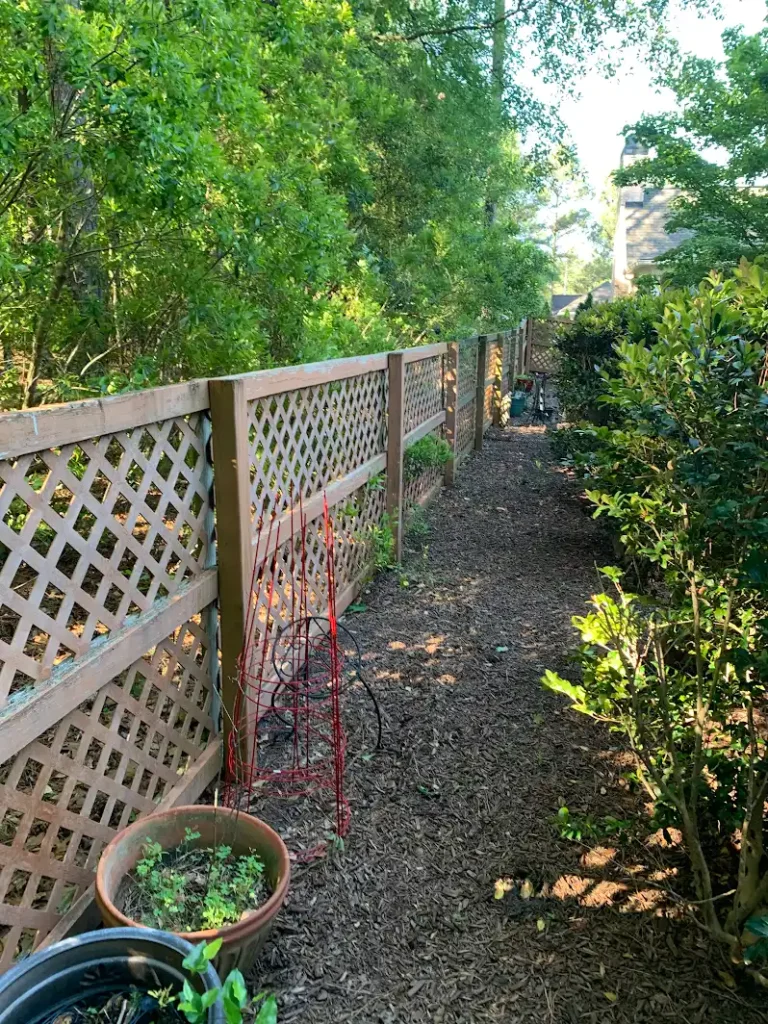
- Fences and gates
- Landscaping and trees
- Neighboring structures
- Windows, siding, or exterior features
- Septic areas, wells, irrigation, or drainage features
- Property lines and shared access areas
This is especially helpful when the demolition area is close to a home, business, property line, fence, or finished outdoor space. Controlled demolition is not just about removal. It is also about protecting what remains.
Think Through Debris and Cleanup Expectations
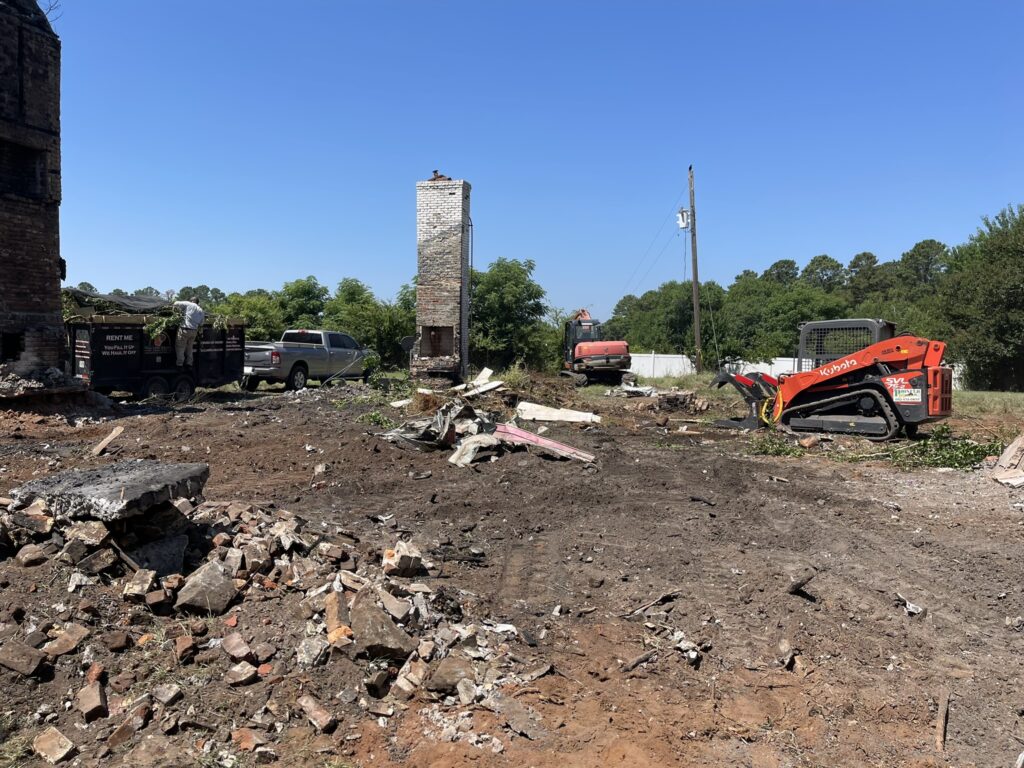
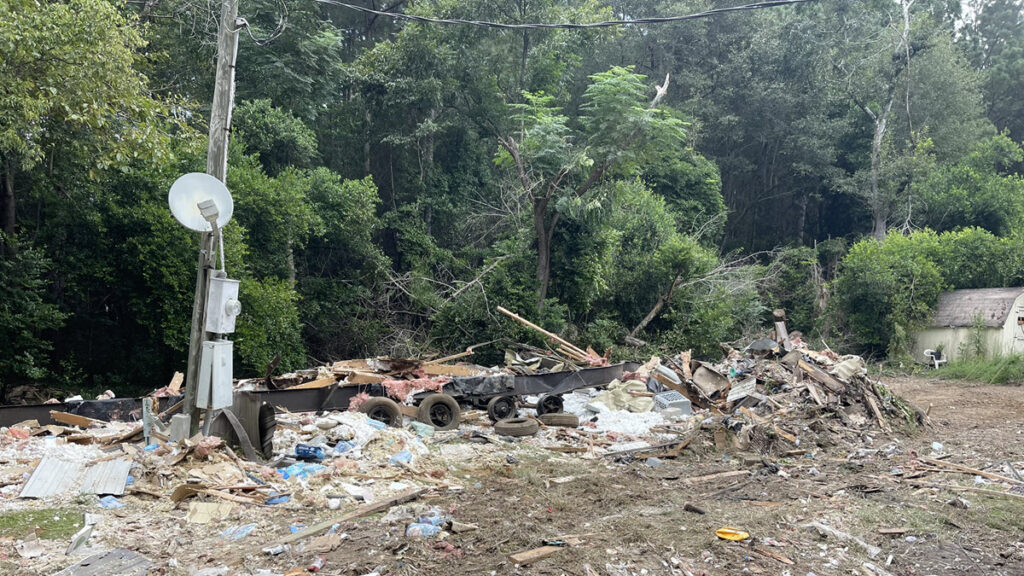
Demolition creates debris. Depending on the project, that debris may include wood, shingles, drywall, concrete, metal, brick, block, fixtures, cabinets, flooring, insulation, glass, nails, screws, and mixed construction material.
Before the crew arrives, ask what happens after the material is removed. A clear quote should help explain whether the project includes teardown, loading, hauling, disposal, and cleanup.
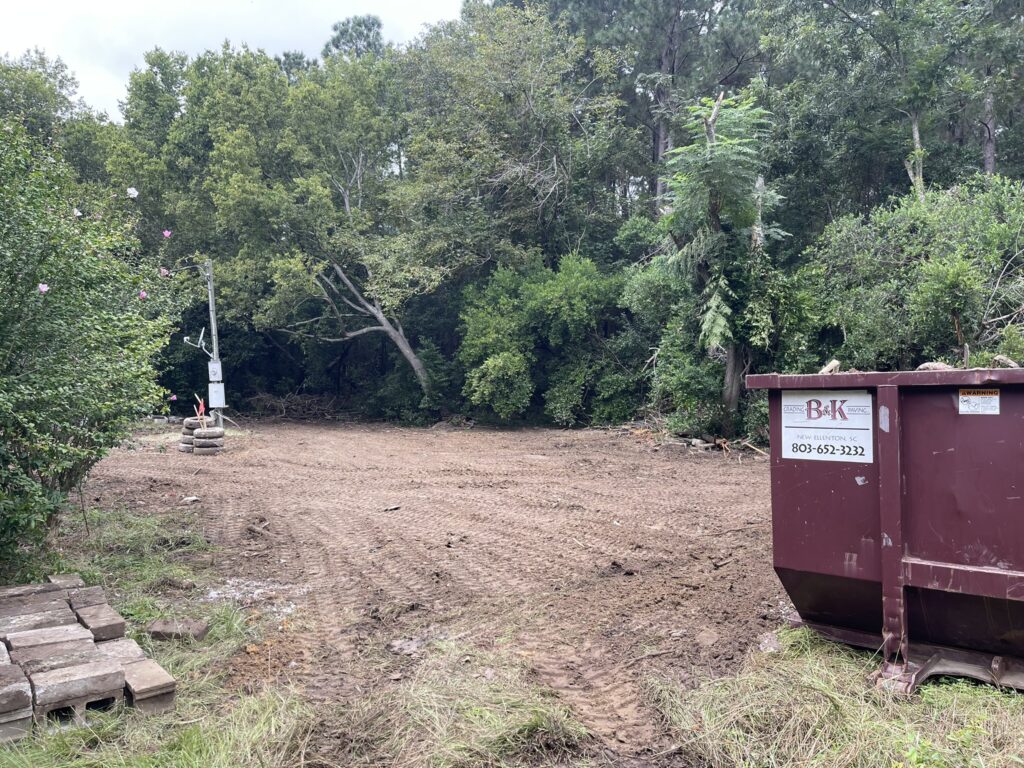
This matters because debris can sometimes be the biggest headache for the property owner. A structure may come down quickly, but the cleanup and hauling can take planning, equipment, labor, and proper disposal.
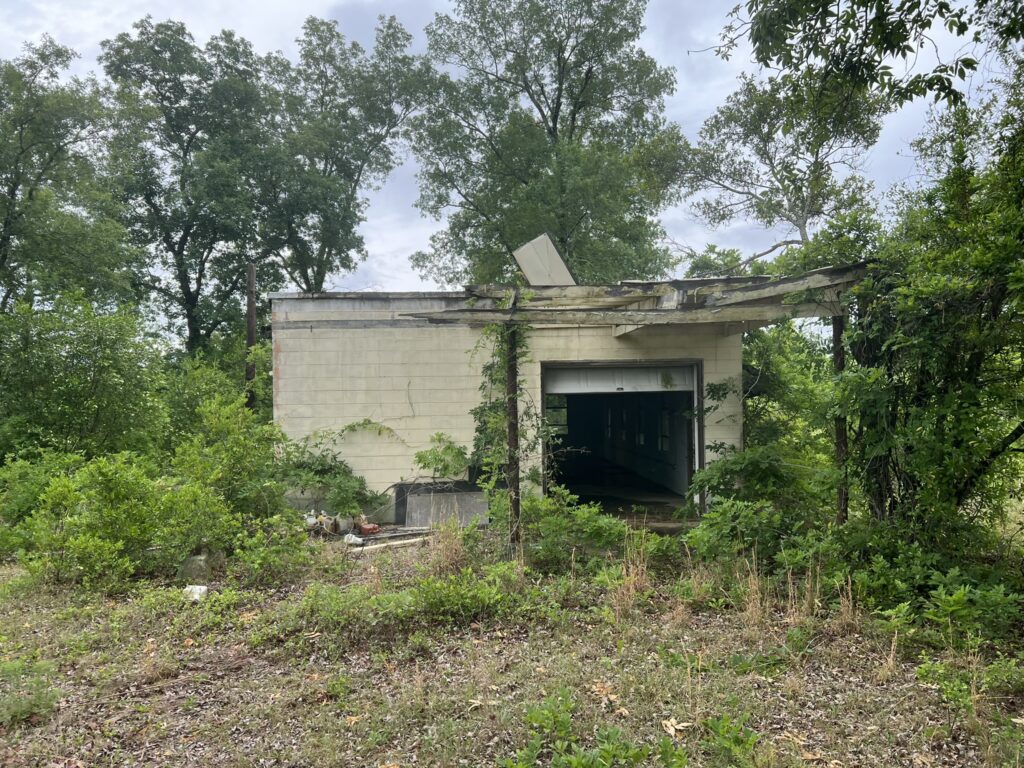
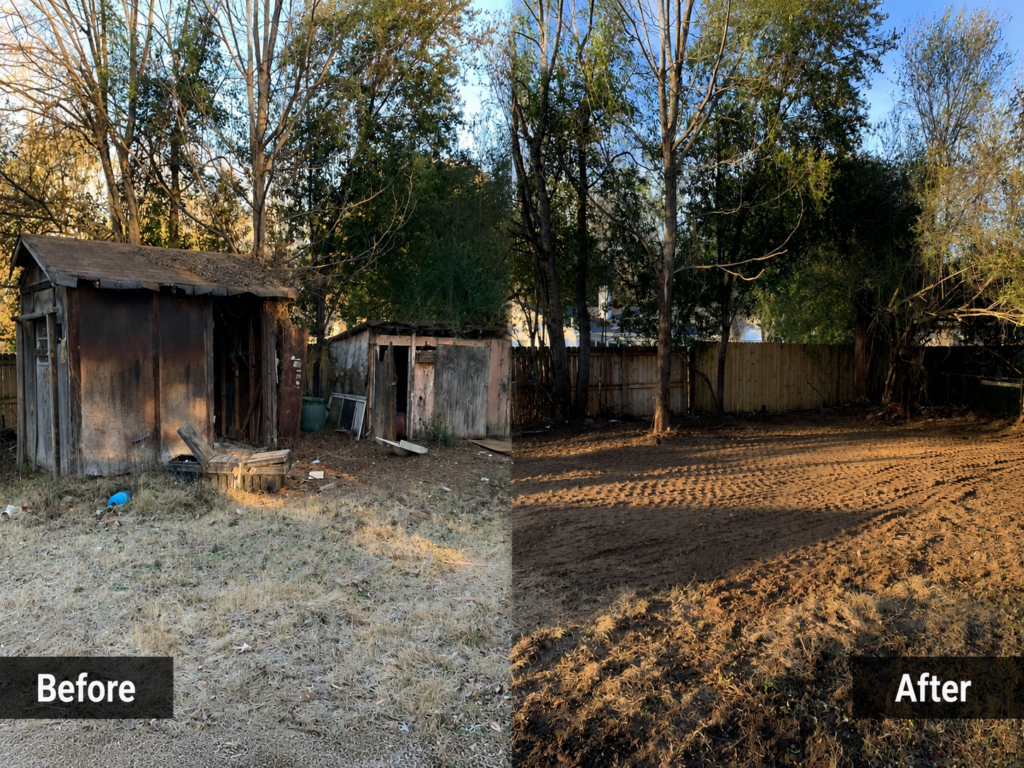
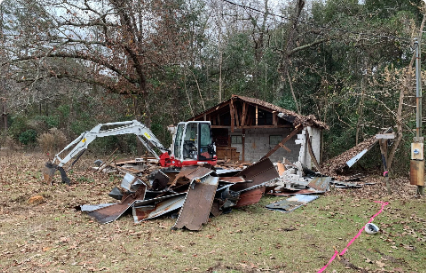
If your project involves removing an old shed, garage, carport, barn, or similar structure, check out this article on shed, garage, and small structure demolition in Aiken SC.
Do Not Start Partial Demolition Without a Plan
Some property owners try to save money by starting the demolition themselves before calling a professional. In certain small cleanup situations, that may seem harmless. But partial demolition can sometimes make the job more dangerous or more difficult.
Removing the wrong support, cutting into unknown materials, disturbing utilities, or creating unstable debris piles can complicate the project. It may also make it harder for the contractor to evaluate the original structure and plan the safest removal.
If you are not sure what can be safely removed ahead of time, ask first. It is often better to let the demolition crew review the project before anything is partially torn apart.
Prepare for Noise, Dust, and Temporary Disruption
Demolition is active work. Even well-planned projects can involve noise, dust, vibration, equipment movement, debris loading, and temporary disruption around the property.
Before the crew arrives, it may help to:
- Move vehicles away from the work area
- Close nearby windows and doors
- Secure pets away from the site
- Keep children and visitors away from the work area
- Notify nearby occupants if access or noise may affect them
- Make sure the crew has a clear point of contact
These steps help the crew focus on the work while keeping people, pets, and property away from active demolition activity.
Have One Clear Point of Contact
On demolition day, it helps to have one clear person available to answer questions. That person should understand the scope of work, know what should stay or go, and be able to respond if the crew discovers something unexpected.
This is especially important for rental properties, commercial sites, contractor-managed projects, or jobs where the property owner will not be on site the entire time.
A clear point of contact helps prevent delays, miscommunication, and last-minute uncertainty. It also makes the project feel more organized from start to finish.
Why Preparation Helps the Whole Project
Good demolition preparation helps the crew work efficiently, but it also helps the customer. When the work area is clear, access is ready, utilities are discussed, permit questions are addressed, and debris expectations are understood, the project is easier to manage.
Preparation also supports better communication. The more the contractor knows before the crew arrives, the easier it is to plan the right equipment, timeline, labor, hauling, and safety approach.
For a broader look at how professional demolition works, check out this article on professional demolition services in Aiken SC.
Final Summary
- Confirm exactly what needs to be removed before demolition begins.
- Clear personal items from sheds, garages, rooms, decks, or work areas.
- Make sure the crew has safe access for people, equipment, and hauling.
- Identify utility concerns before work starts.
- Ask about permits if the project involves structures, utilities, commercial work, or larger removals.
- Point out anything that should be protected.
- Clarify whether debris removal, hauling, and cleanup are included.
- Have one clear point of contact available on the day of the project.
Getting Ready for a Demolition Project?
Contact Aiken Demolition to talk through your project, access, timeline, debris needs, and next steps. A little preparation before the crew arrives can make the entire demolition process safer, cleaner, and easier to manage.
Get a QuoteFrequently Asked Questions
What counts as a small structure demolition project?
Small structure demolition usually includes detached or limited-scope structures such as sheds, detached garages, barns, carports, workshops, small outbuildings, and similar features that need to be removed safely and cleared from the property.
Can Aiken Demolition remove an old backyard shed?
Yes. Aiken Demolition can help with shed demolition and removal, including teardown, debris handling, hauling, and cleanup. The exact process depends on the shed size, materials, access, condition, and whether it is attached to a slab or connected to utilities.
Is garage demolition considered light demolition or structure demolition?
It depends on the garage. A small detached garage may be a smaller structure removal project, but a larger garage with framing, utilities, roofing, concrete, or load-bearing concerns may need to be handled as structure demolition. The safest approach is to review the actual structure before deciding.
Do I need a permit to remove a shed or garage in Aiken SC?
Permit requirements may depend on the property location, structure size, utilities, foundation, and scope of work. Some small removals may not require a formal permit, while larger garages, mobile structures, or utility-connected buildings may require approval. Always confirm before demolition begins.
What affects the cost of small structure demolition?
Cost can be affected by structure size, material type, access, condition, concrete, utilities, debris volume, and disposal needs. A small wooden shed will usually be different from a detached garage, barn, or block structure on a concrete slab.
Will Aiken Demolition haul away the debris?
Debris removal is an important part of the demolition process. When requesting a quote, ask what is included so you understand whether the project includes teardown, loading, hauling, disposal, and cleanup.
What should I do before requesting a demolition quote?
Take photos of the structure, note the address, estimate the size, identify any known utilities, and describe access to the work area. Also mention whether the structure sits on concrete or is close to fences, trees, driveways, or other buildings.