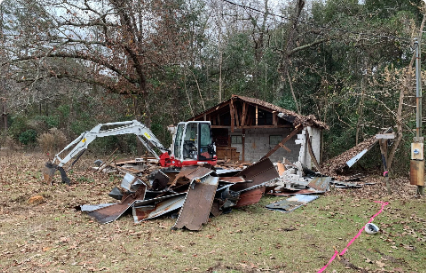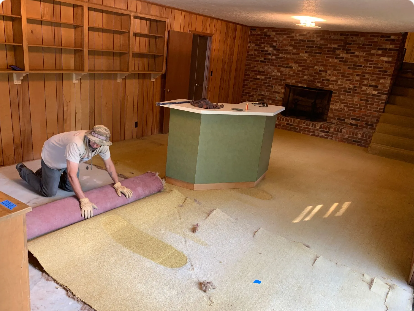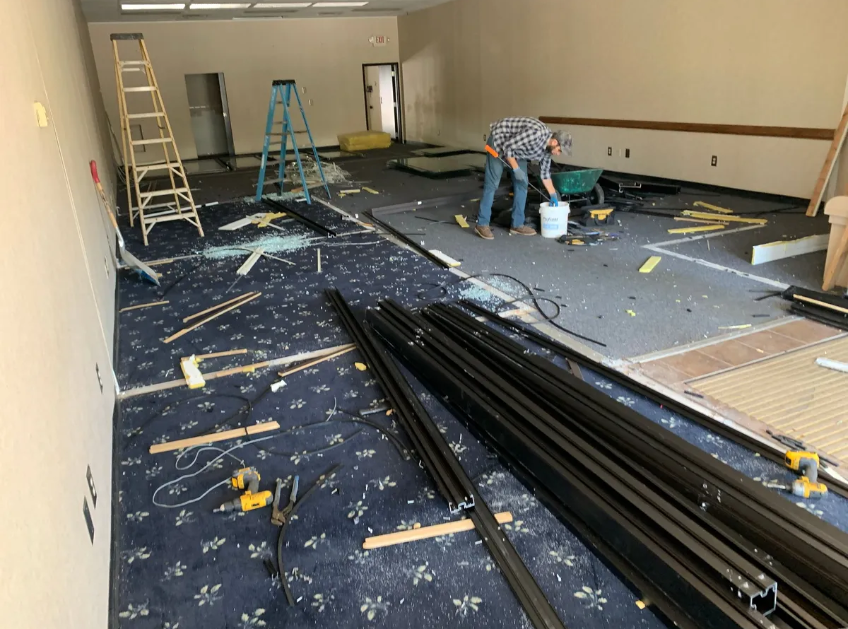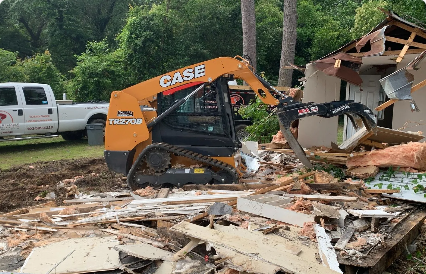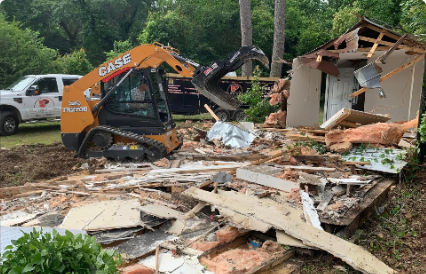
Concrete Removal Overview
Professional concrete removal helps property owners in Aiken SC safely remove old driveways, broken patios, damaged walkways, unwanted slabs, foundations, and other hard surfaces that no longer serve the property.
Concrete removal usually requires more than breaking material apart. Thickness, reinforcement, access, equipment needs, hauling, disposal, and nearby structures all affect how the project should be planned.
The safest step is to have the concrete reviewed before removal begins so the work can be handled with the right tools, proper debris planning, and attention to surrounding property.
Concrete is one of the most durable building materials, but when it reaches the end of its usefulness or no longer fits a property owner’s plans, removing it can become a serious project. Old driveways, cracked patios, damaged walkways, leftover slabs, and concrete from previous structures can all stand in the way of improvement.
For homeowners and businesses in Aiken SC, professional concrete removal can help restore usable space, prepare for new construction, improve safety, or make way for landscaping and outdoor living upgrades.
Concrete removal is not just about breaking concrete apart. The work may involve assessing thickness, looking for reinforcement, choosing the right equipment, planning debris removal, and protecting nearby areas from unnecessary damage.
Why Professional Concrete Removal Matters
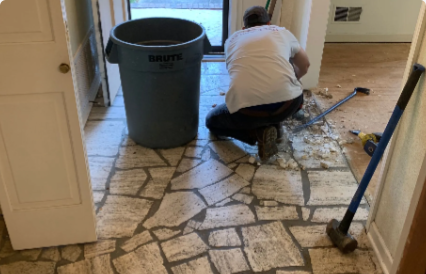
Concrete removal can look simple from the outside, but the actual work is often heavy, noisy, dusty, and physically demanding. Concrete may be thicker than expected, reinforced with wire or rebar, connected to other surfaces, or located in an area with limited access.
Professional concrete removal helps with:
- Safer breaking and removal methods
- Proper equipment selection
- Reduced risk of injury
- Better protection for nearby structures
- Debris hauling and disposal planning
- Faster preparation for the next phase of work
When concrete is removed correctly, the property is left cleaner, safer, and better prepared for whatever comes next.
Safe and Controlled Removal
Concrete is extremely heavy, and breaking it apart without the right tools or methods can create real hazards. Flying debris, unstable sections, sharp edges, dust, and buried reinforcement can make concrete removal dangerous for unprepared property owners.
Safety concerns may include:
- Flying chips or debris
- Heavy broken sections
- Uneven surfaces and trip hazards
- Hidden wire mesh or rebar
- Dust and airborne particles
- Damage to nearby structures or landscaping
Professional demolition crews use controlled methods, proper tools, and protective measures to help reduce these risks while removing the concrete in a more organized way.
Important Planning Reminder
Before requesting concrete removal, note the type of concrete involved, such as a driveway, patio, walkway, slab, or foundation. It also helps to consider thickness, access, drainage, nearby surfaces, and what you plan to install or do with the space afterward.
Faster Project Completion
Concrete removal can take a long time when done without the right equipment. What may appear to be a small project can become a long and difficult job once the material is broken, lifted, loaded, and hauled away.
Professional crews can often move the work forward more efficiently because they bring the tools, equipment, labor, and hauling plan needed for the specific project. This can be especially helpful when concrete removal is part of a larger renovation, construction, landscaping, or outdoor improvement plan.
In Aiken SC, concrete removal may be scheduled before installing a new patio, replacing a driveway, preparing for an addition, improving drainage, or opening space for outdoor living areas.
Specialized Tools and Machinery
Different concrete removal jobs require different tools. A thin patio may not require the same approach as a thick driveway, reinforced slab, or concrete foundation. The thickness, condition, location, and reinforcement can all affect the removal plan.
Concrete removal may involve tools or equipment such as:
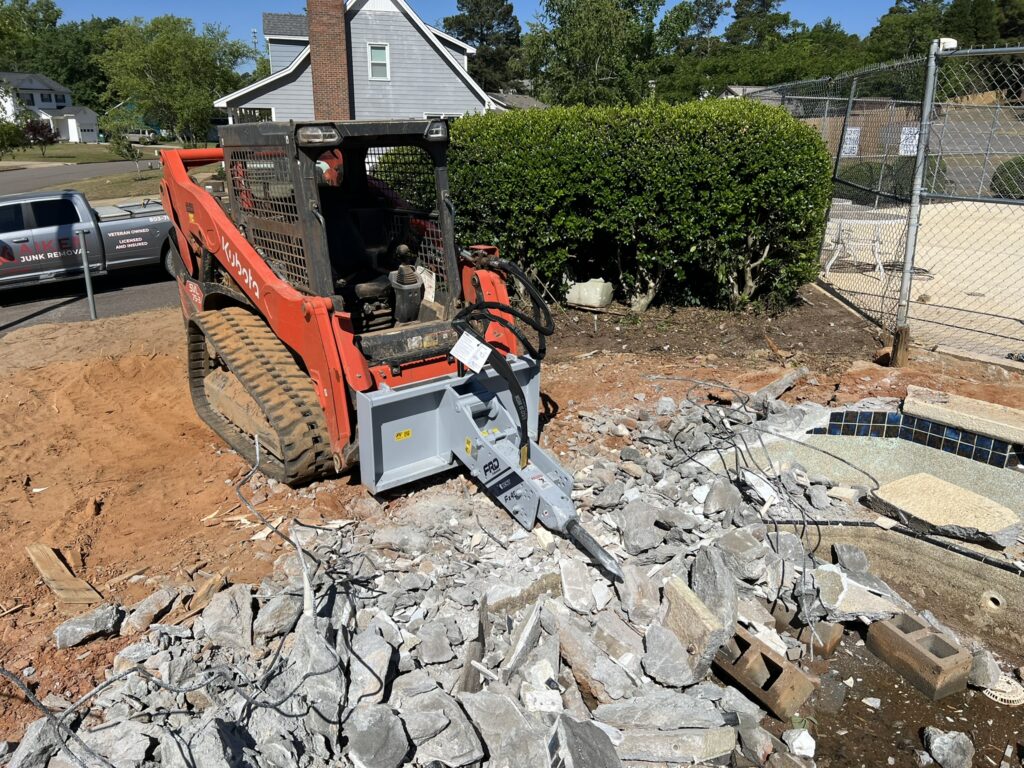
- Concrete breakers
- Saws or cutting tools when needed
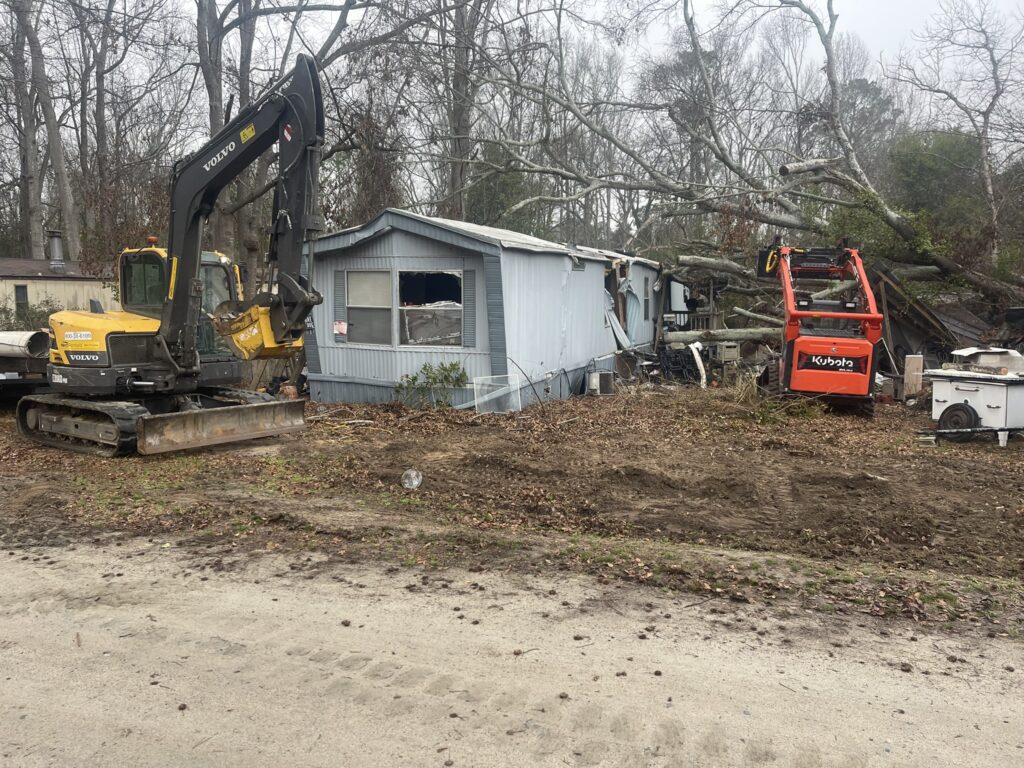
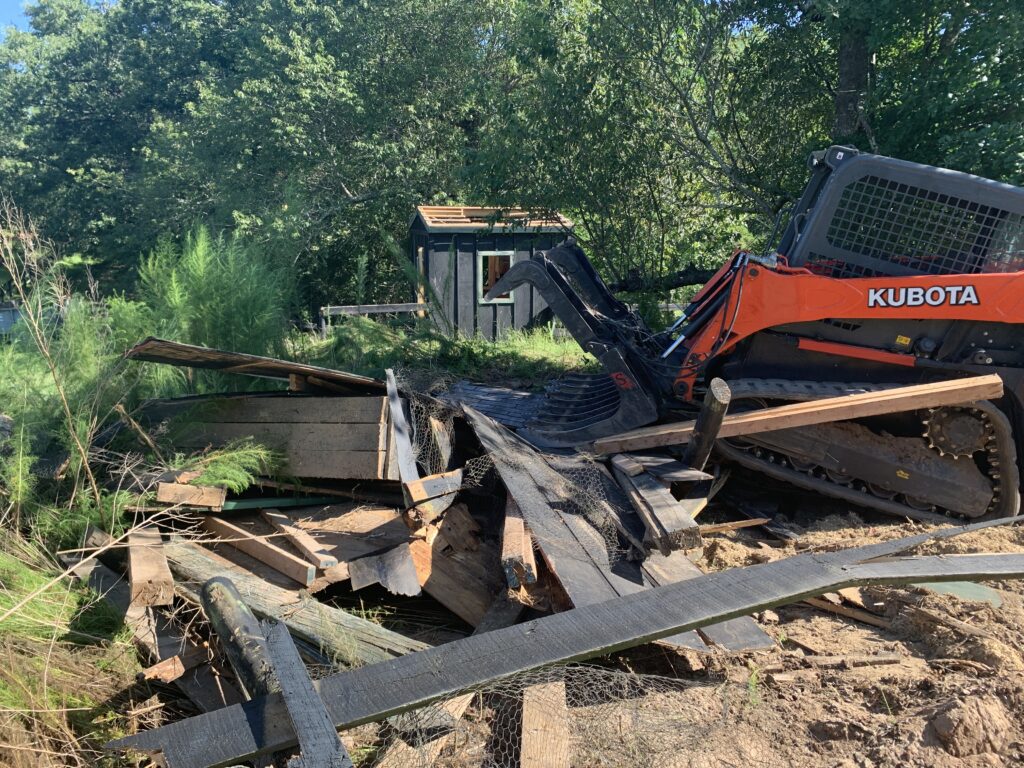
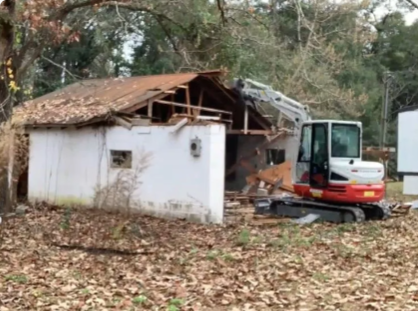
- Skid steers or compact equipment
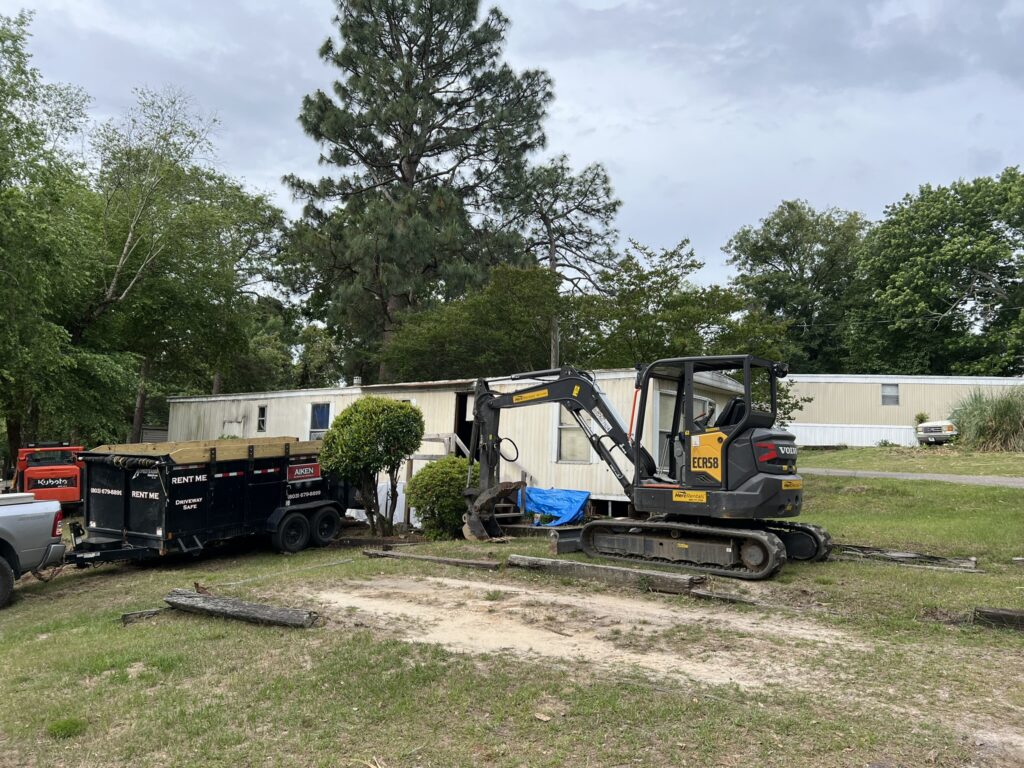
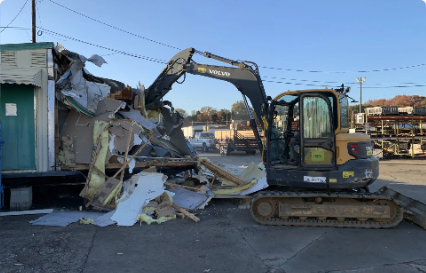
- Excavators for larger projects
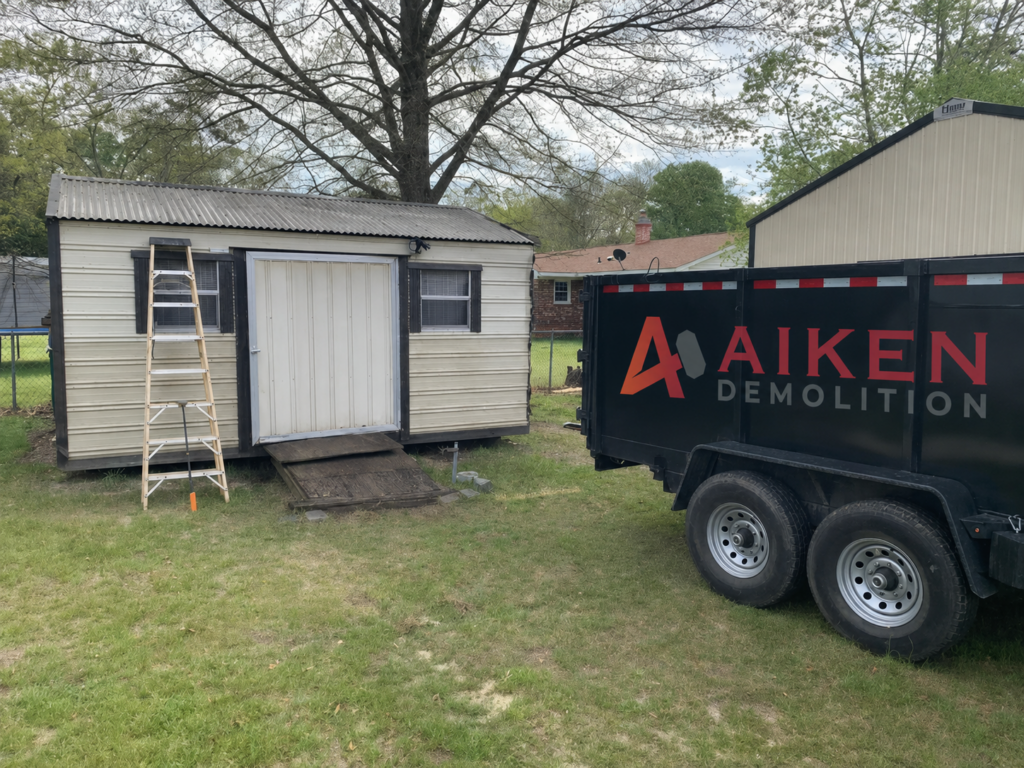
- Trailers or hauling equipment
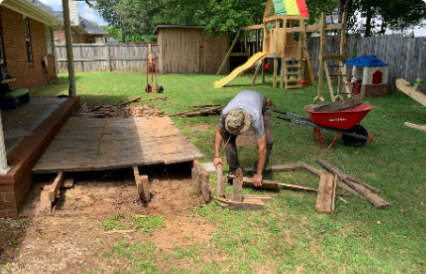
- Hand tools for tighter areas
Using the right equipment helps remove concrete more efficiently while limiting unnecessary disturbance to surrounding areas.
Proper Hauling and Disposal
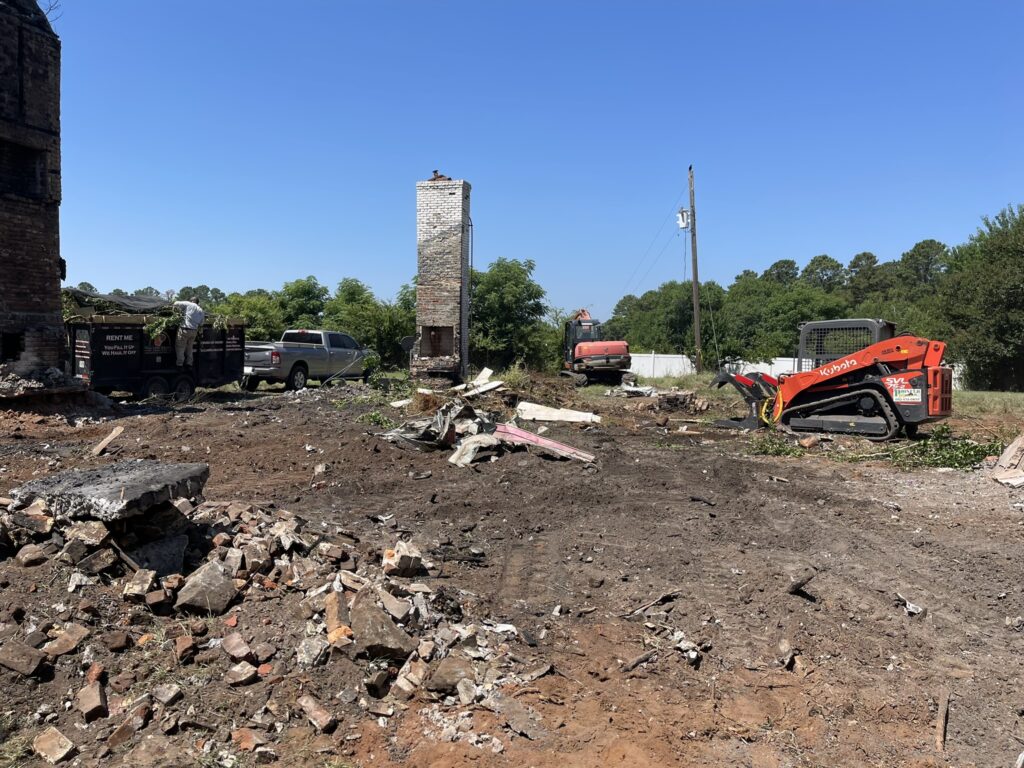
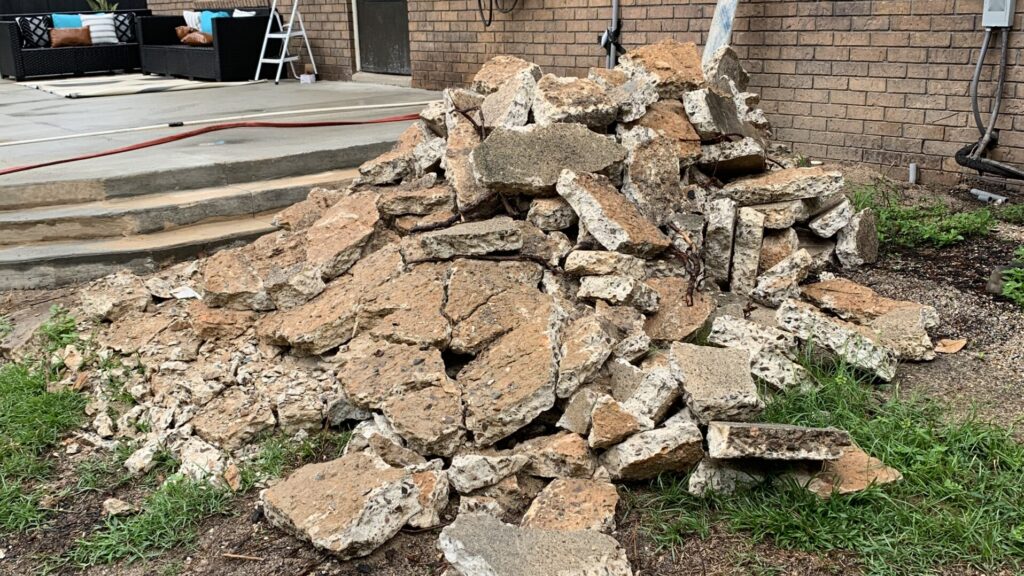
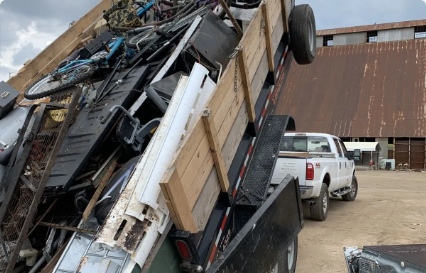
Breaking concrete is only part of the job. Once the material is removed, it must be loaded, hauled, and disposed of properly. Concrete debris is heavy, difficult to move, and can quickly overwhelm a property owner who is not prepared for the hauling side of the project.
Debris removal may involve:
- Breaking concrete into manageable sections
- Loading heavy material safely
- Keeping the work area clear
- Hauling debris away from the property
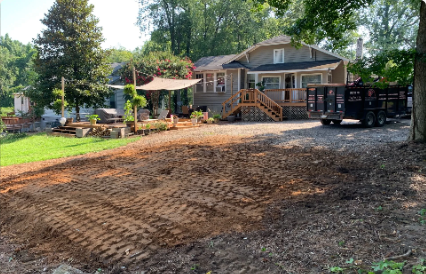
- Preparing the site for the next use
Some concrete may be recyclable depending on the material, local options, and project conditions. Because disposal options can vary, it is best to discuss debris handling before the project begins.
Preparing Your Property for New Projects
Concrete removal is often the first step toward improving or repurposing outdoor spaces. Removing old concrete can open the door for new construction, landscaping, drainage improvements, and better use of the property.
Concrete may be removed before projects such as:
- New patios or walkways
- Outdoor living areas
- Landscaping improvements
- Additions or expansions
- Driveway replacements
- Pool installations
- Drainage correction or grading work
A clear and properly prepared area helps the next phase move forward with fewer obstacles.
Solving Drainage and Safety Issues
Damaged concrete can create more than an appearance problem. Cracks, sinking areas, shifting slabs, and uneven surfaces can lead to tripping hazards, drainage problems, and difficulty using the property safely.
Concrete removal may help address issues such as:
- Uneven walkways
- Broken patios
- Sinking driveway sections
- Water pooling or drainage problems
- Cracked slabs
- Unsafe edges or raised concrete
Removing the damaged concrete gives property owners an opportunity to correct the issue before it gets worse or before a new surface is installed.
Cost-Effective in the Long Run
Some property owners consider removing concrete themselves to save money. But concrete removal can involve tool rental, disposal fees, hauling problems, heavy labor, property damage risk, and possible injury concerns.
Professional concrete removal can help reduce unnecessary delays and complications by approaching the job with the right equipment and plan from the start.
The goal is to remove the concrete safely, clear the debris, and leave the site ready for the next phase without creating avoidable problems along the way.
Understanding the Full Demolition Process
Concrete removal is part of the broader demolition process. Depending on the property, the work may involve site review, access planning, equipment selection, breaking, loading, hauling, disposal, cleanup, and preparation for the next project.
For a broader look at service options, visit our Demolition Services in Aiken SC page.
How Aiken Demolition Can Help
Aiken Demolition helps homeowners and businesses think through concrete removal before work begins. This includes reviewing the concrete area, discussing access, considering debris and hauling needs, and planning for the next use of the space.
Whether you need to remove an old driveway, broken patio, damaged walkway, unwanted slab, or concrete left behind from a previous structure, the right demolition plan can make the process easier.
The goal is to help property owners remove unwanted concrete safely and prepare the area for what comes next.
Final Summary
- Professional concrete removal helps remove old, cracked, damaged, or unwanted concrete safely.
- Concrete removal may involve driveways, patios, walkways, slabs, foundations, and hardscape areas.
- Proper equipment and controlled methods reduce safety risks and property damage concerns.
- Hauling and disposal planning are major parts of concrete removal.
- Removing damaged concrete can help address safety, drainage, and site preparation issues.
- Aiken Demolition helps property owners prepare concrete areas for the next phase of improvement.
Need Concrete Removed From Your Property?
Contact Aiken Demolition to discuss driveway removal, patio removal, walkway removal, slab removal, or other concrete demolition needs in Aiken SC.
Get a QuoteFrequently Asked Questions
What types of concrete can be removed?
Concrete removal may include old driveways, patios, walkways, slabs, foundations, retaining walls, and other hardscape areas. The exact approach depends on the thickness, location, condition, access, and whether the concrete is reinforced.
Why should I hire a professional for concrete removal?
Concrete is heavy and difficult to remove safely without the right tools, equipment, and hauling plan. A professional demolition crew can help reduce injury risks, protect nearby property, and remove debris more efficiently.
Does concrete removal include hauling and disposal?
Concrete removal usually needs a debris plan because broken concrete is heavy and difficult to move. Hauling and disposal should be discussed before work begins so the property can be left clean and ready for the next phase.
Can removing concrete help with drainage or safety problems?
Yes. Removing cracked, sinking, uneven, or damaged concrete can help address trip hazards, drainage issues, water pooling, and areas that are no longer safe or useful for the property owner.
What should I prepare before requesting concrete removal?
Prepare photos of the concrete area, the property address, a description of what needs to be removed, access details, and any known concerns about nearby structures, utilities, drainage, or what you plan to install afterward.