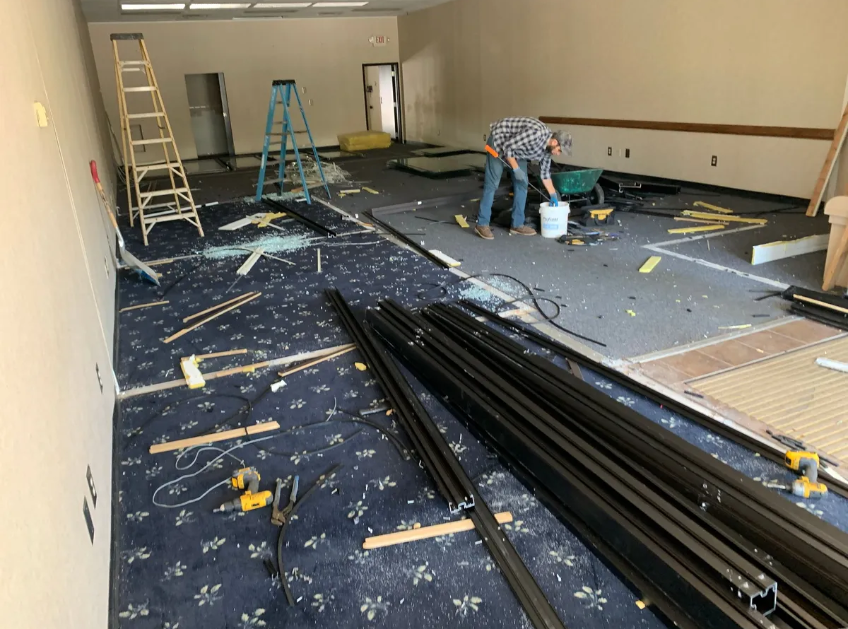
What to Know
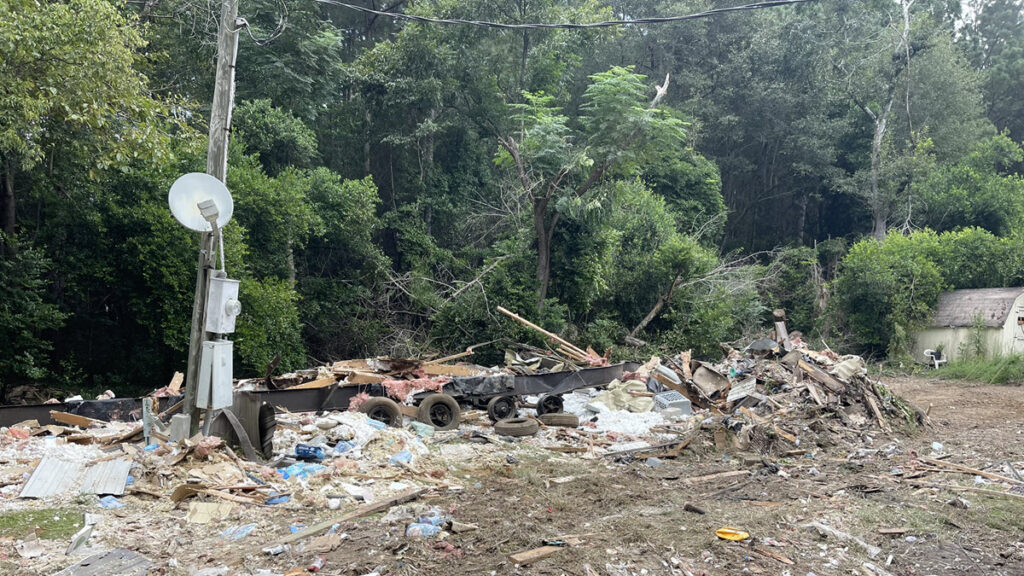
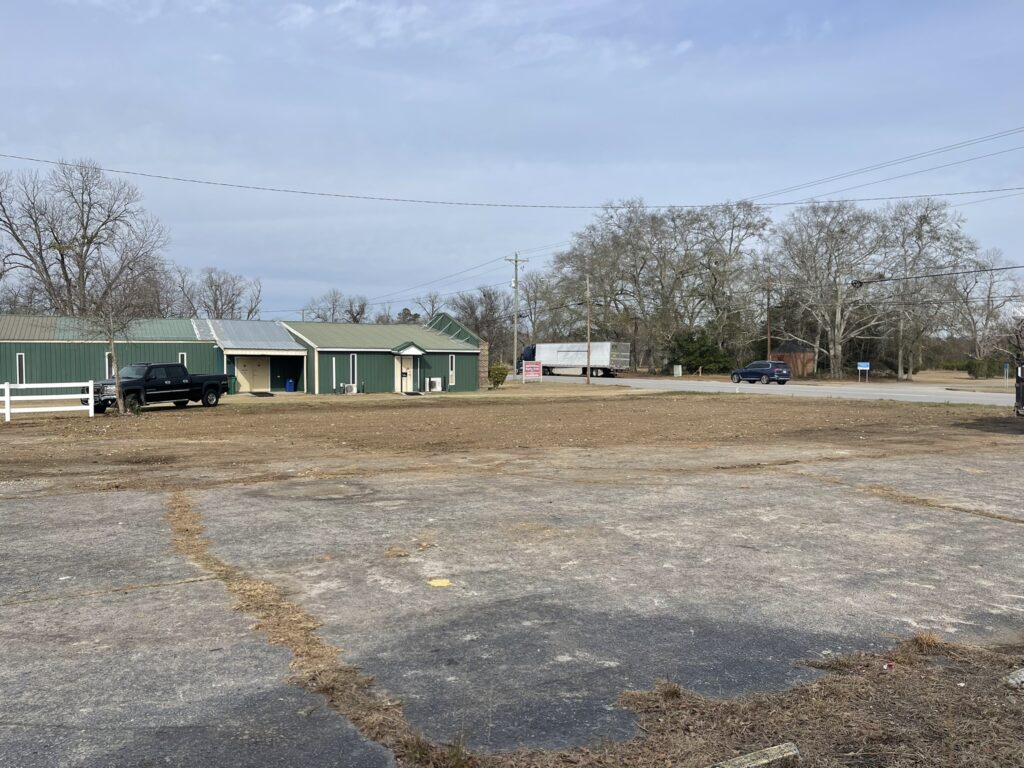
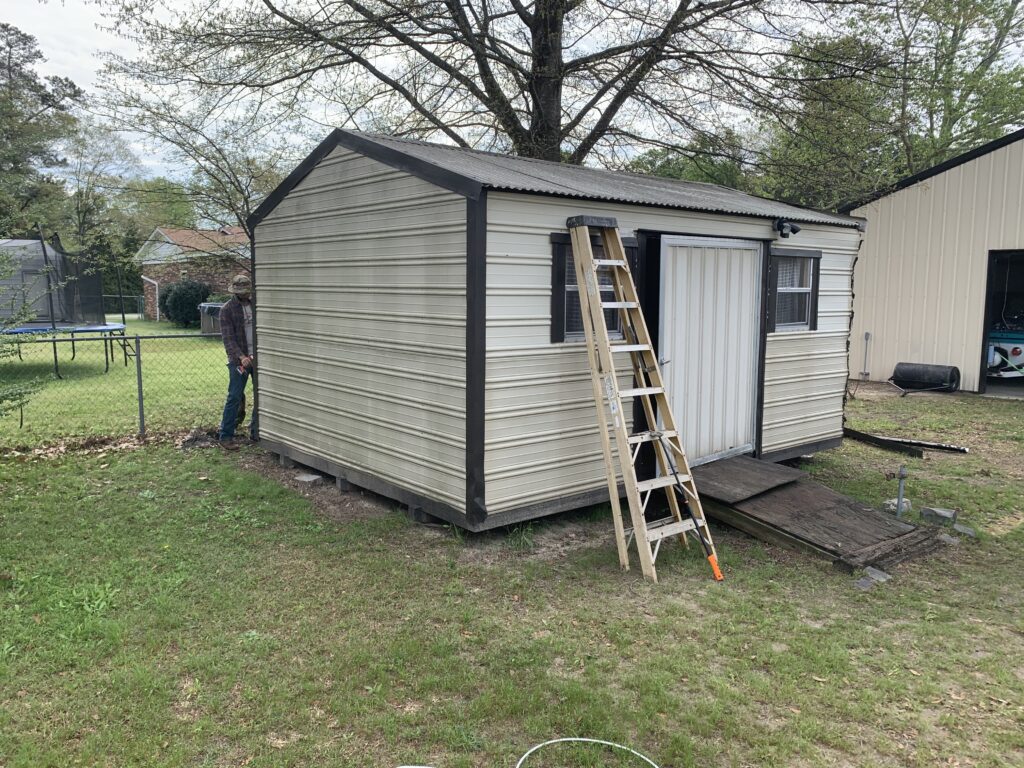
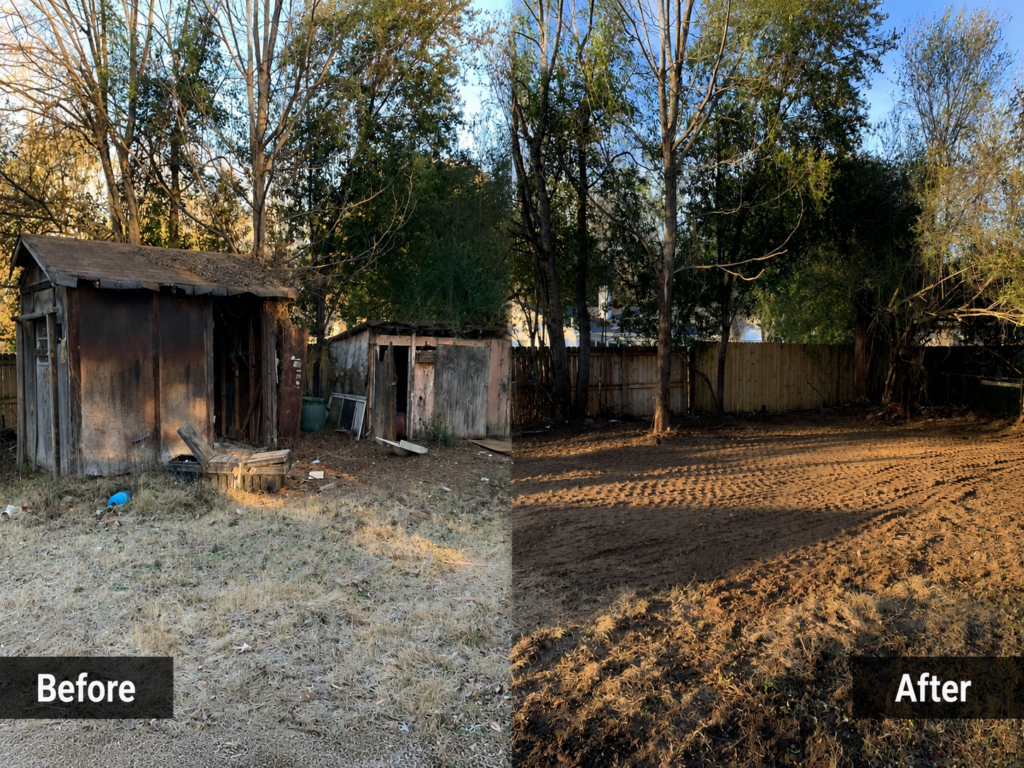
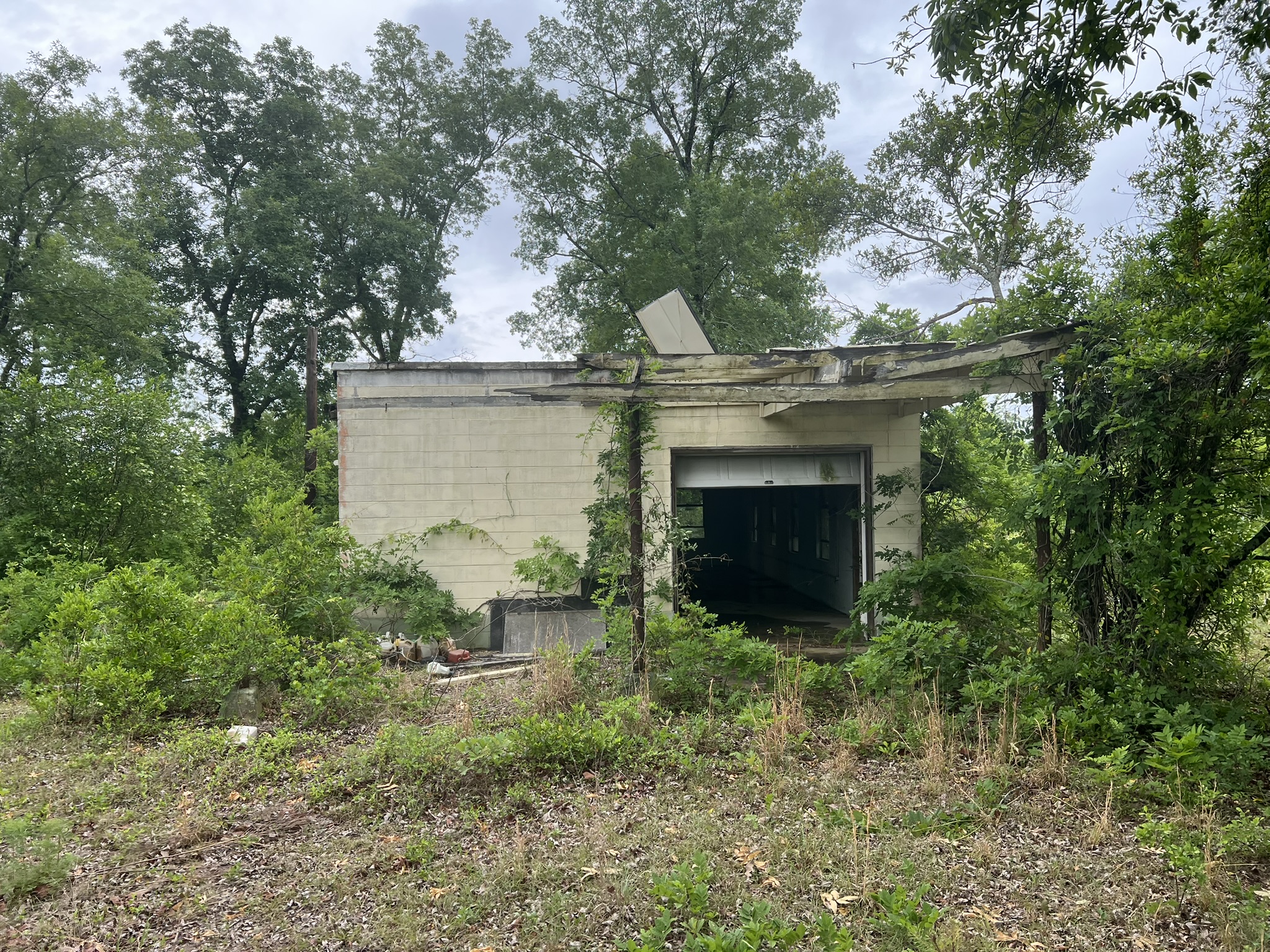
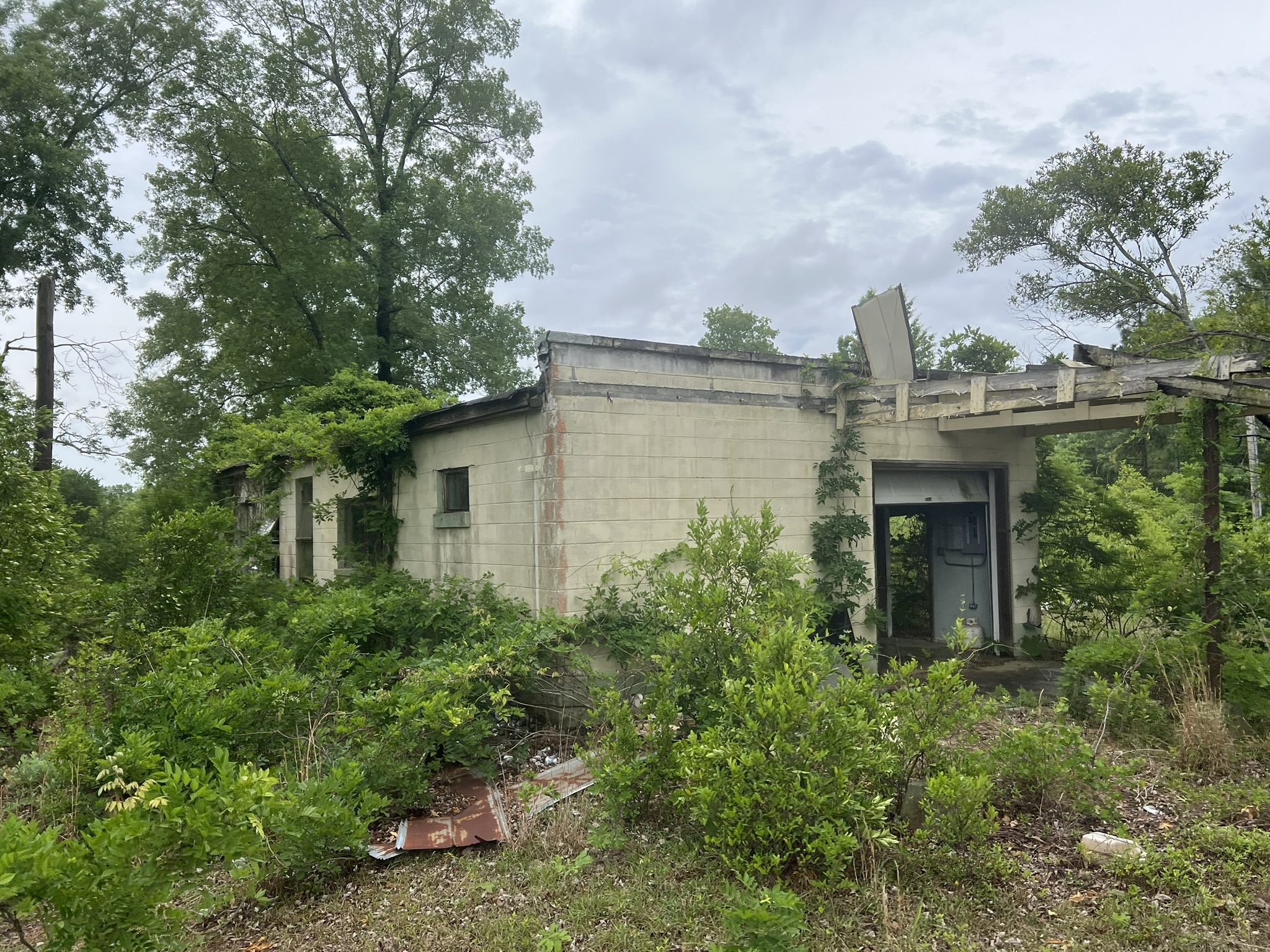
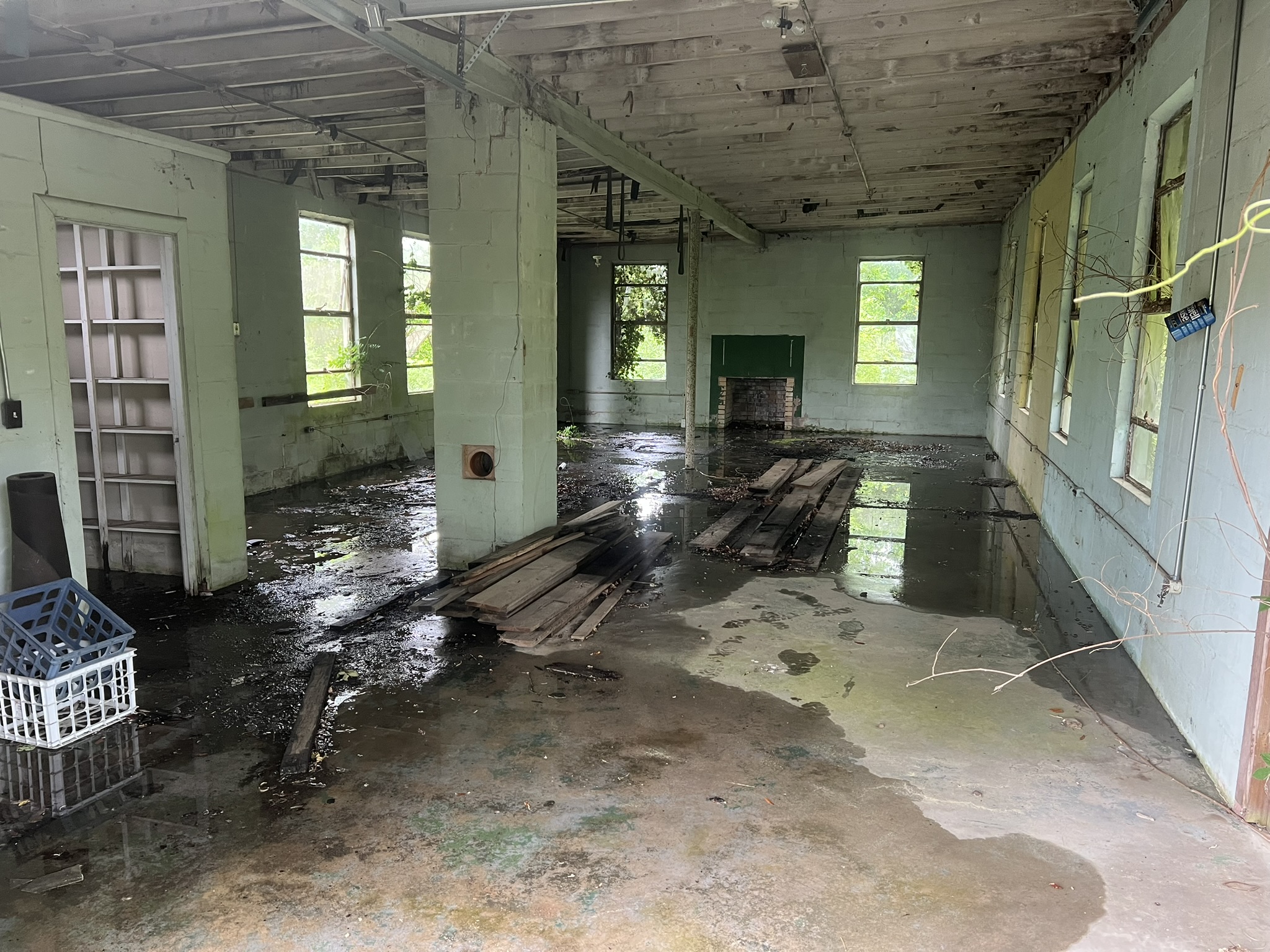
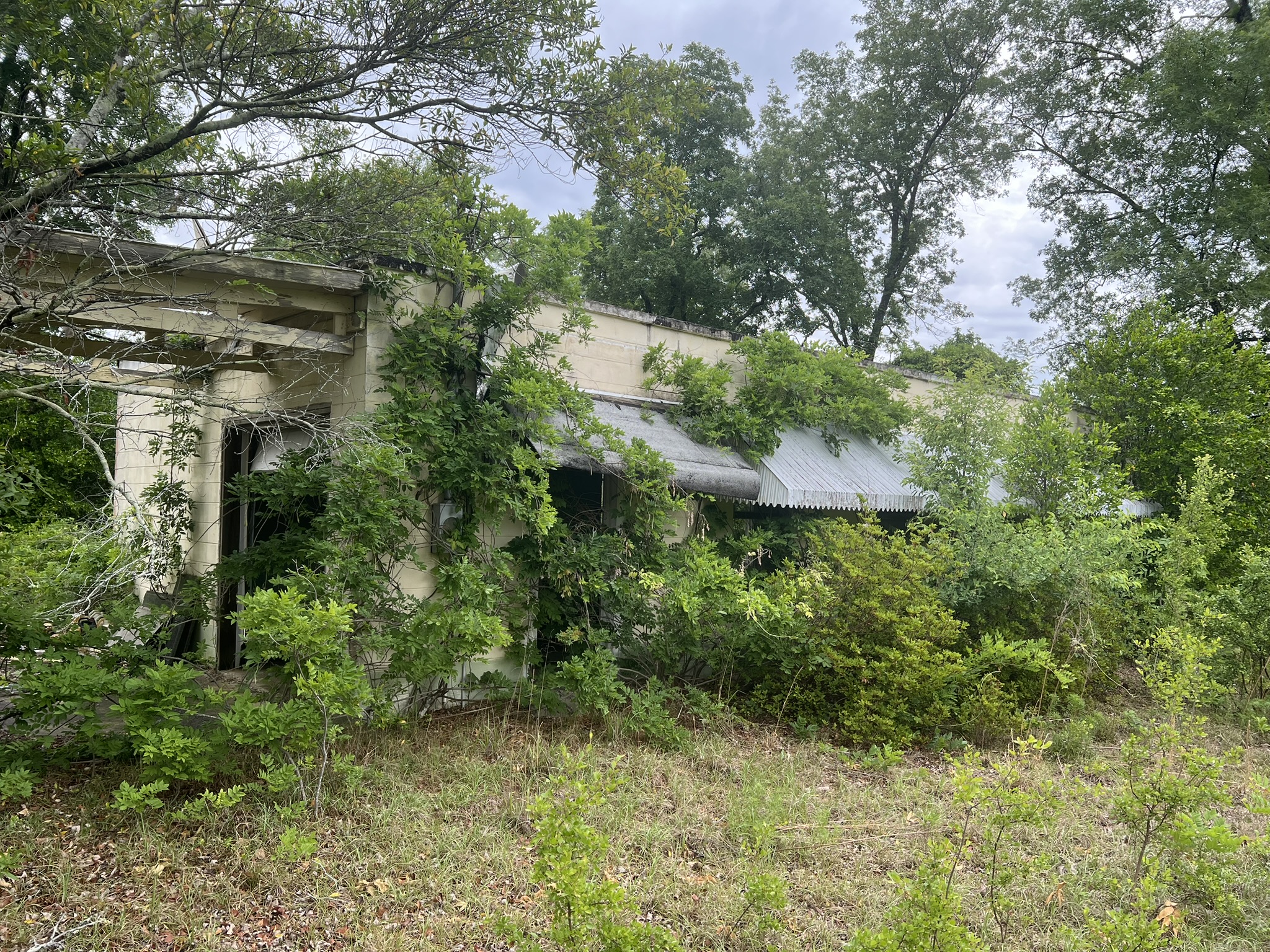
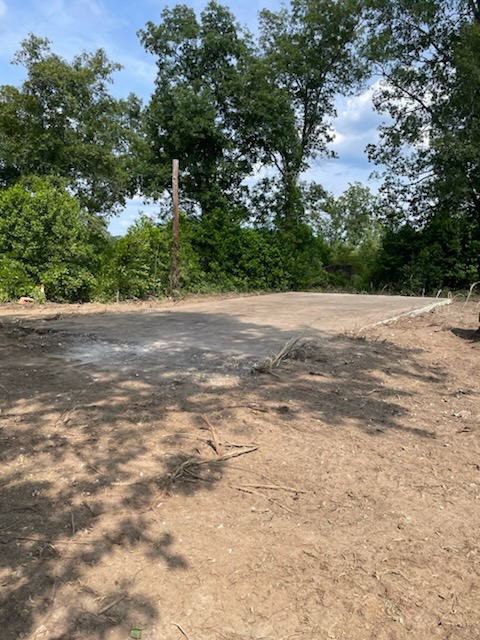
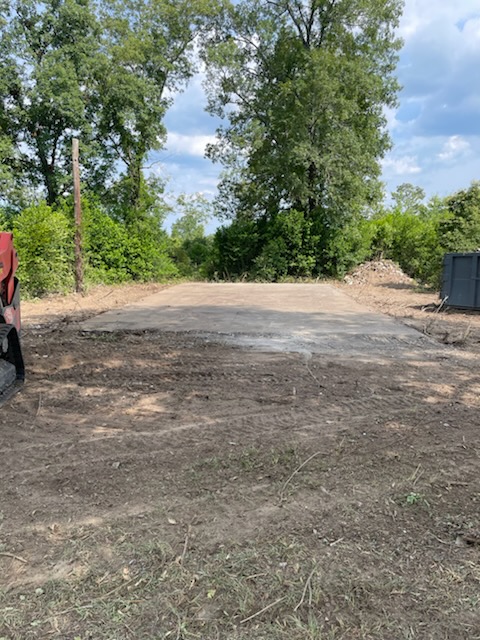
Before-and-after photos from a Windsor, South Carolina project show why a demolition quote should define more than the structure being removed. The customer wanted an old block building taken down while retaining the existing concrete pad and protecting a private well and septic area beside the work zone.
Those details help the contractor plan the right equipment, labor, hauling, protection, and cleanup. They also give the property owner a clearer way to compare quotes and reduce misunderstandings once work begins.
Demolition scope planning in Aiken SC begins with a simple question: exactly what result does the property owner want?
That question matters whether the project involves an old block building, a mobile home, a garage, a concrete slab, a deck, or another unwanted improvement. “Remove the building” may sound specific, but it can leave important decisions unanswered. Does the concrete pad stay? Should nearby trees remain? Who handles the permit? Is the well still needed? Will the contractor remove contents and loose debris? Does the site need to be filled, graded, or simply cleared?
Aiken Demolition helps property owners, contractors, landlords, associations, and businesses discuss those decisions while planning structure demolition in Aiken SC and nearby service areas. The final scope should reflect the actual property, the authority serving the address, the conditions visible during the site review, and the owner’s plans for the space afterward.
What Should a Demolition Scope of Work Answer?
A scope of work is the practical description of what the contractor has been asked to do. It should be detailed enough for the contractor and customer to understand the same project.
For demolition and removal work, the scope should address questions such as:
- Which building, improvement, or material is being removed?
- Are attached decks, steps, skirting, foundations, pads, footings, or outbuildings included?
- Will furniture, appliances, stored contents, abandoned vehicles, or loose property debris be removed?
- Which driveways, slabs, utilities, trees, fences, wells, septic components, or nearby structures must remain?
- Who will obtain required permits or provide requested documentation?
- Who will coordinate utility disconnections and underground facility locating?
- How will demolition debris be loaded, hauled, and handled?
- What cleanup, backfill, grading, or final site condition is included?
Not every project needs every item on that list. The point is to settle the items that could affect the work instead of leaving them to assumption.
The Scope Is Also a Protection Plan
Identifying what stays is just as important as identifying what goes. A clear plan can help the crew choose its approach around a concrete pad, septic area, well, driveway, neighboring improvement, utility line, tree, or other feature the property owner wants to preserve.
Be Specific About What Will Be Removed
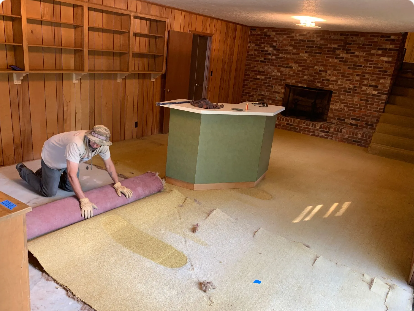
A whole structure may include more than its walls and roof. Depending on the property, the removal area may also contain porches, decks, steps, ramps, skirting, block supports, footings, attached additions, sheds, contents, and debris accumulated around the building.
Those items affect the amount and type of material to be handled. They may also change equipment access, loading time, trailer capacity, disposal planning, and the level of cleanup needed at the end.
Photos can help start the quote conversation, but they do not always show everything behind a structure, under vegetation, inside an outbuilding, or beneath loose debris. A site visit may reveal additional scope questions that should be settled before the quote is finalized.
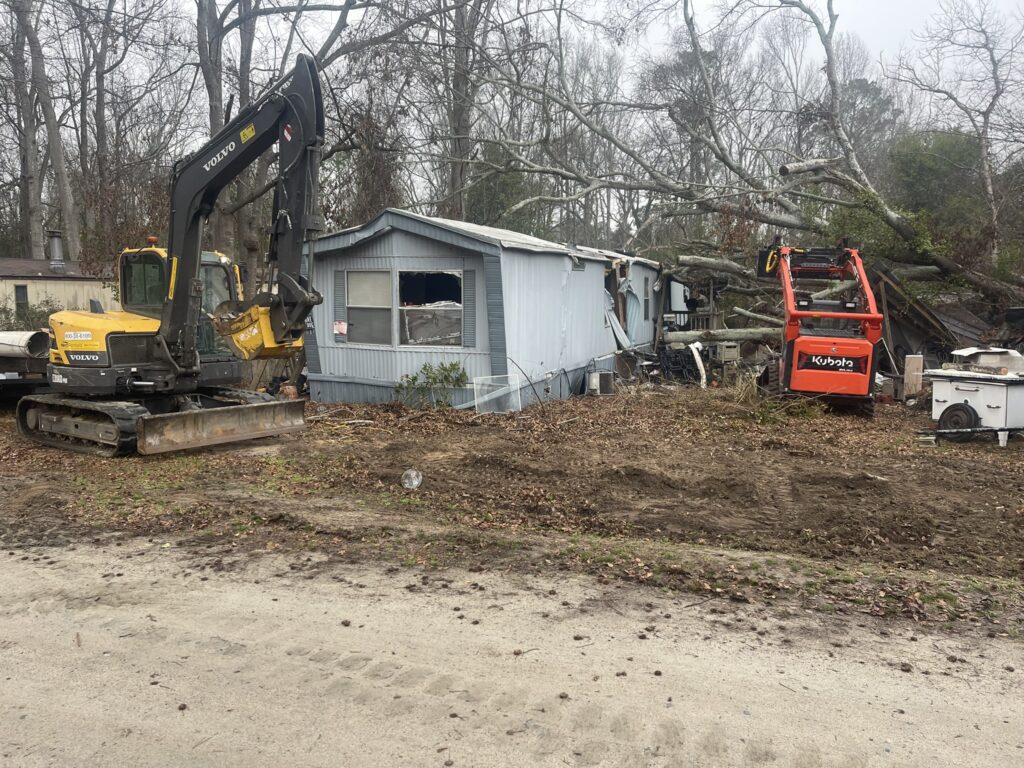
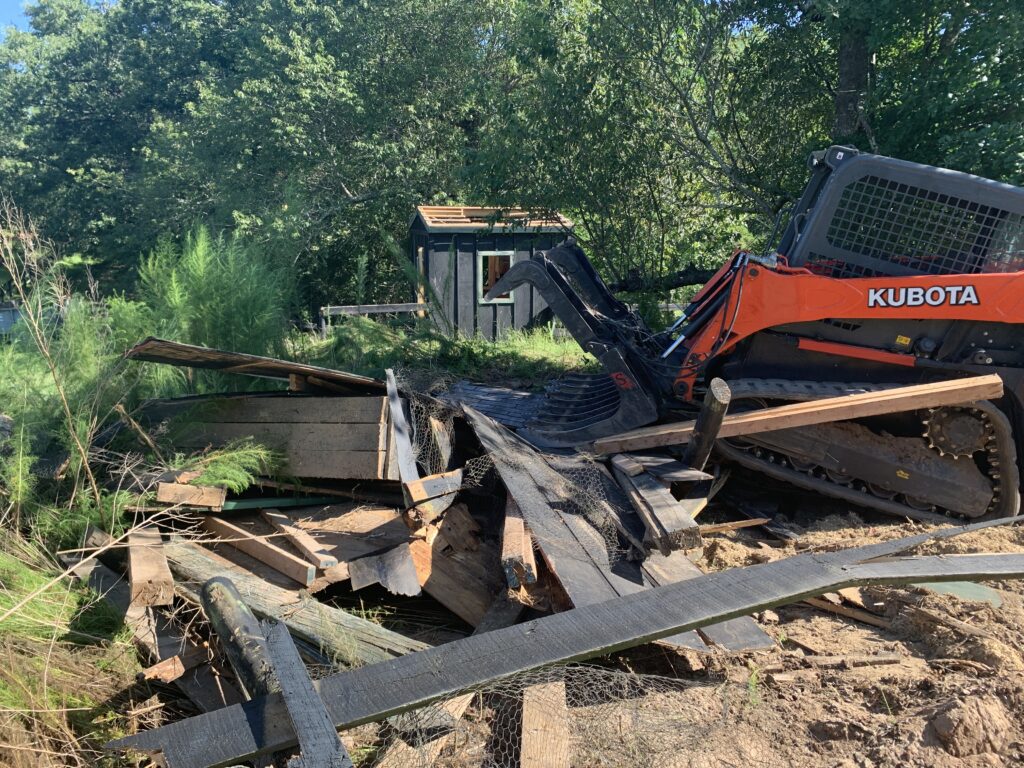
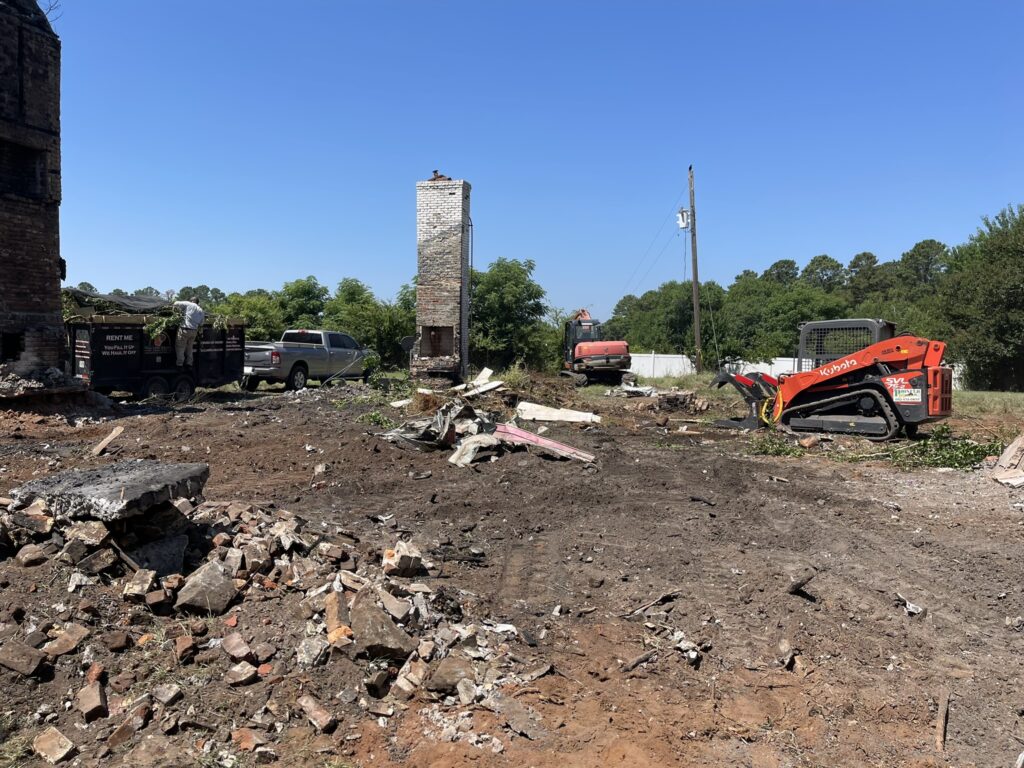
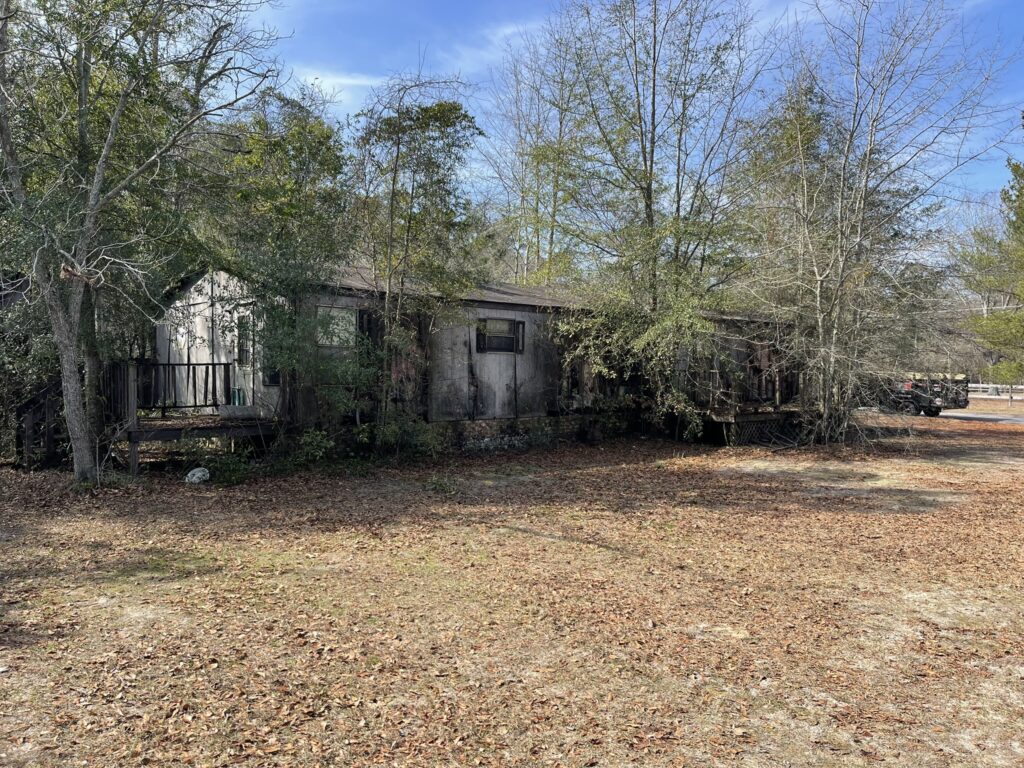
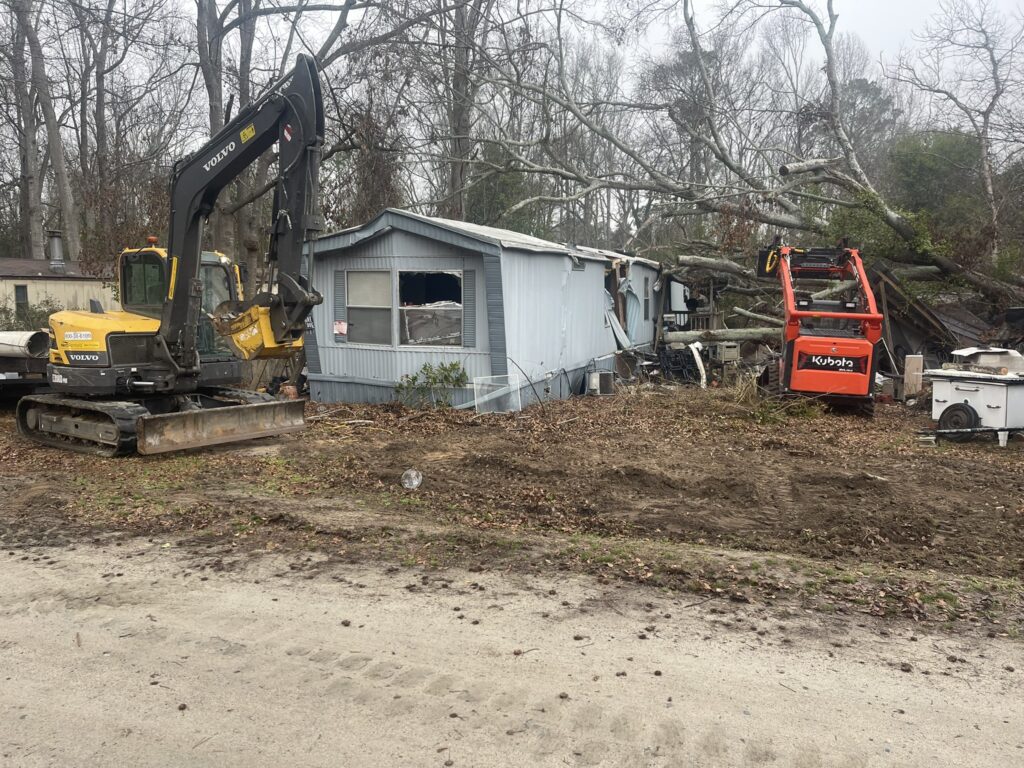
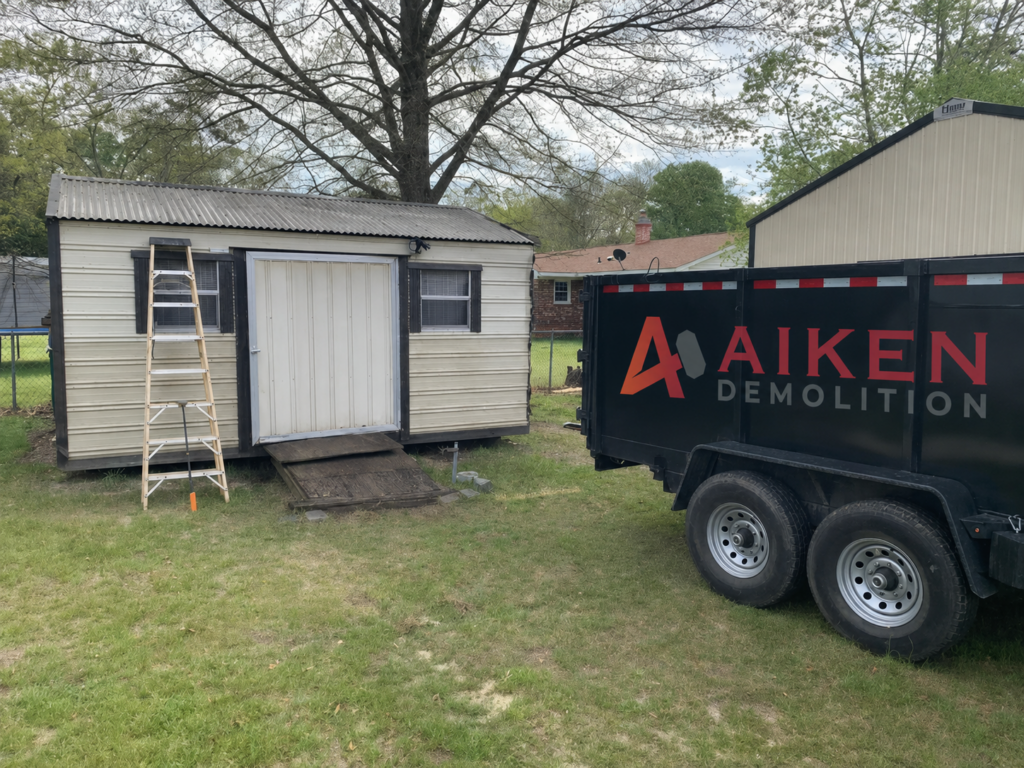
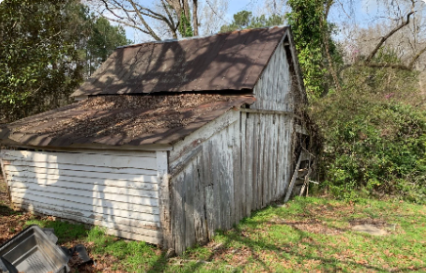
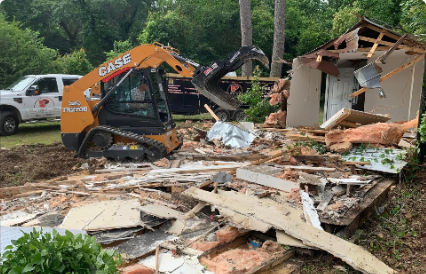
The New Ellenton project described in our mobile home removal case study is a useful example. The assignment involved more than the abandoned mobile home. It also included two outbuildings and accumulated material around the property. Defining that combined scope allowed the owner and contractor to treat the work as a coordinated property-clearing project rather than several disconnected jobs.
Be Equally Specific About What Must Stay
Some demolition projects are intended to clear everything within a defined area. Others require a much more selective approach.
A property owner may want to preserve:
- A concrete pad for another building or future use
- A driveway or access lane needed by other contractors
- A septic tank, drain field, private well, or water line
- Utilities serving another occupied structure
- Fencing, gates, landscaping, trees, or drainage features
- Materials the owner plans to keep
- A portion of the site needed for a later phase of work
These items should be pointed out during the site review and written into the project discussion. If records, surveys, utility information, septic drawings, or property maps are available, they may help clarify areas that are not obvious from the surface.
A Windsor Project Shows Why “What Stays” Changes the Plan
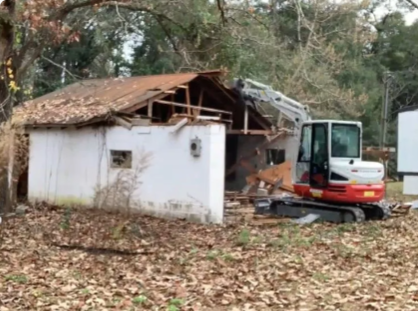
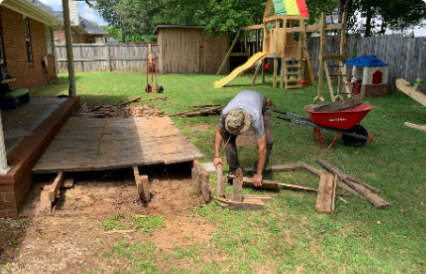
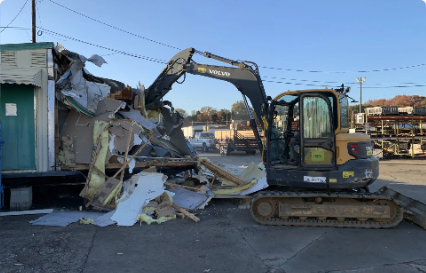
On a block-building removal project in the Windsor area, the customer wanted the old building removed but asked that the concrete pad remain for future use. That changed how the work had to be approached.
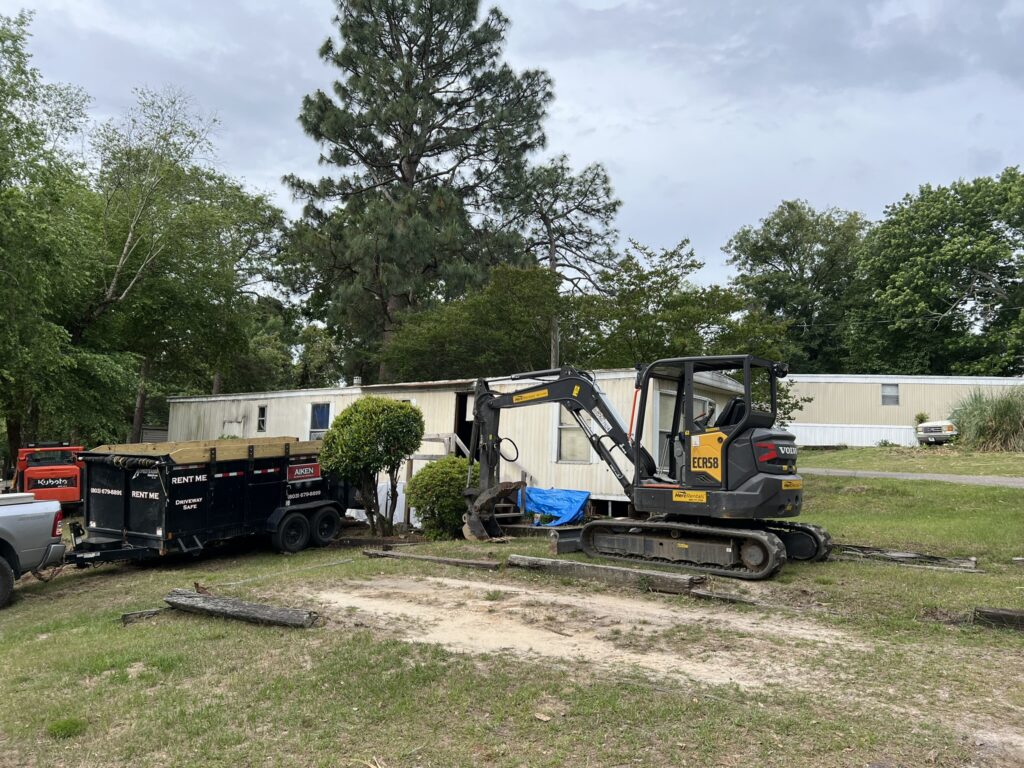
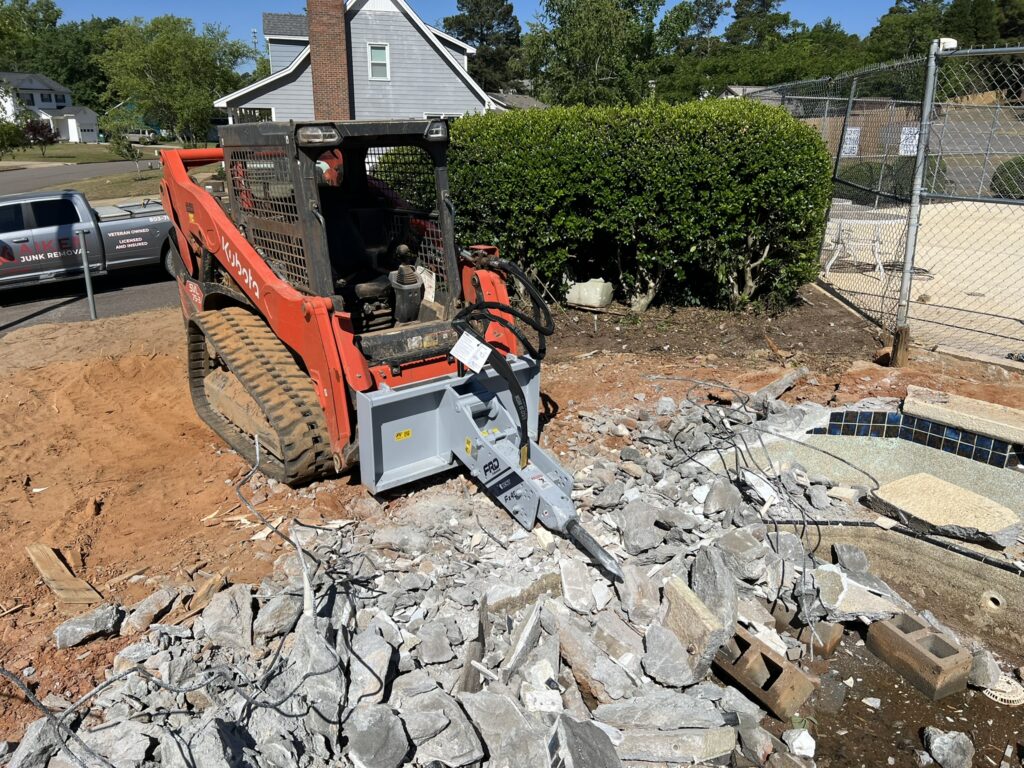
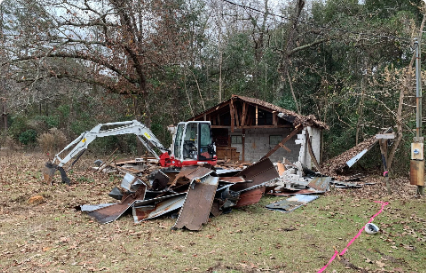
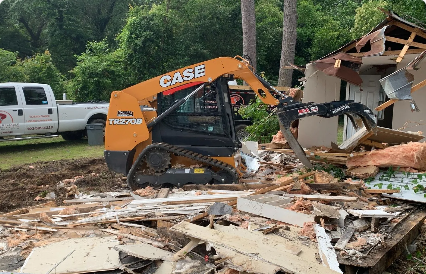
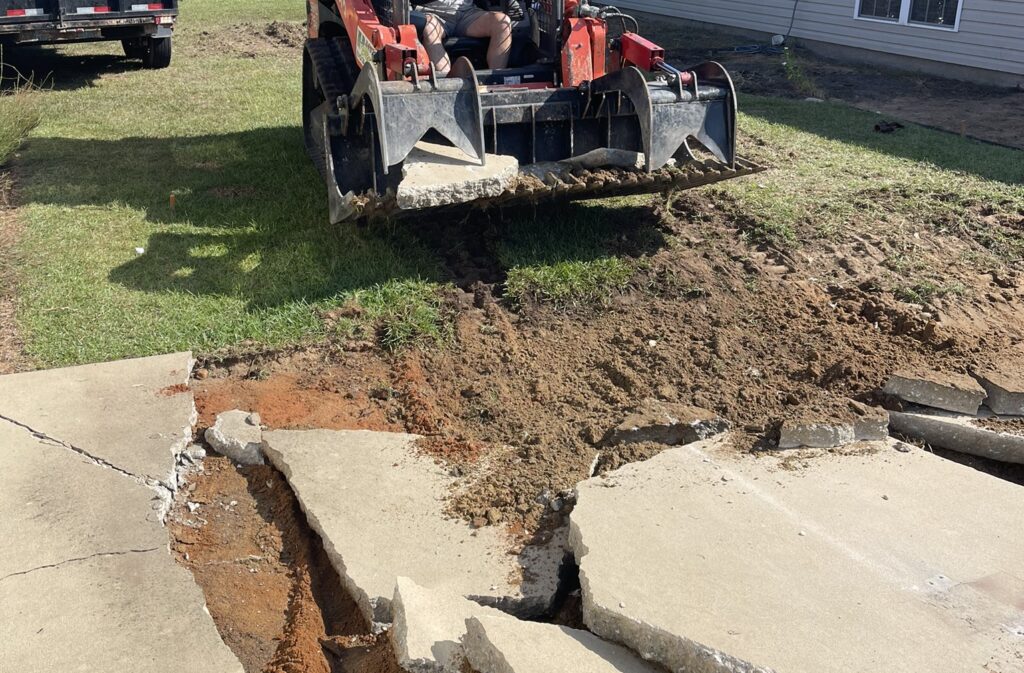
According to the project notes provided by Aiken Demolition, the crew used a mini excavator to pull demolition material from the edges of the pad. The machine’s reach allowed the crew to work without placing the equipment on the pad. The building was also located directly beside a septic system and private well, so the work area required attention to both falling debris and equipment travel.
The requested result was specific: remove the old block building while protecting three things that were staying: the pad, the septic system, and the well. That scope influenced the equipment choice, machine position, debris movement, and order of work.
That project also illustrates how responsibilities can vary. In this case, the customer obtained the Aiken County demolition permit. On other projects, Aiken Demolition may handle permit-related administration as part of the agreed scope. The responsible party should be decided before work begins and reflected in the quote.
Decide Who Handles Permits, Utilities, and Site Information
The contractor and property owner each bring information to the planning process. The owner may have property records, utility account details, surveys, septic information, association requirements, or knowledge of private lines. The contractor evaluates access, equipment needs, hauling, debris, protection, and the work sequence.
Other parties may also have responsibilities. A local permitting office may issue the demolition permit. Utility providers or qualified professionals may need to disconnect, remove, cap, or confirm services. South Carolina 811 coordinates notice to participating facility operators for underground marking or response, but private facilities may need separate attention.
Aiken County Planning and Development states that it issues permits in Aiken County outside the city limits of Aiken and North Augusta. That is one reason the complete property address matters. The customer and contractor should confirm which authority serves the site instead of assuming every Aiken-area project follows the same process.
For more detail, read Do I Need a Demolition Permit in Aiken SC? and Who Disconnects Utilities Before House or Mobile Home Demolition in Aiken, SC?
How Scope Decisions Affect a Demolition Quote
A demolition quote is influenced by the work required to deliver the agreed result. The structure itself matters, but so do the conditions around it and the tasks attached to it.
Scope-related quote considerations can include:
- Type, size, construction, and condition of the structure or material
- Contents, outbuildings, attachments, concrete, or loose debris included in the work
- Equipment access, gate width, ground conditions, slopes, and loading distance
- Nearby improvements or systems that require protection
- Permit or administrative responsibilities included in the contractor’s work
- Utility coordination and project sequencing
- Volume, weight, separation, hauling, and destination of materials
- Backfill, soil, grading, cleanup, or preparation for the property’s next use
This is why two projects involving similar-looking buildings may not have the same quote. One may have open equipment access and no remaining improvements nearby. Another may require selective work beside a well, septic system, occupied building, landscaping, or concrete pad that must remain.
A clear written scope does not remove every unknown condition, but it gives both parties a stronger starting point. It also makes quote comparisons more useful because the customer can see whether contractors are pricing the same result.
For additional quote guidance, see Questions to Ask Before Hiring a Demolition Contractor in Aiken SC.
Debris, Recycling, and Material Reuse Belong in the Scope
Demolition creates material that must be moved and handled. The quote discussion should explain whether hauling is included, whether the customer is keeping anything, and what general cleanup is expected.
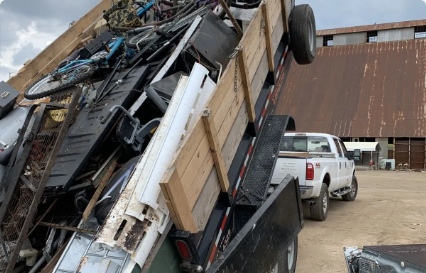
When practical and when suitable outlets are available, certain materials may be separated for recycling, repurposing, or reuse. The Windsor block-building project produced a small amount of metal and electrical wiring that the contractor reported recovering for recycling. On the New Ellenton mobile home project, concrete blocks were set aside and found another use instead of being discarded.
Those outcomes are project-specific. Material condition, contamination, labor, access, transportation, market demand, receiving-facility rules, and the amount of recoverable material can all affect what is practical. Recycling or reuse should not be promised for every project, but it can be discussed when the material and circumstances make it realistic.
Define the Final Site Condition Before Work Starts
“Cleaned up” can mean different things to different people. One property owner may want demolition debris removed and the immediate area left reasonably clear. Another may need a void filled, soil brought in, the surface graded, or the area prepared for a landscaper, builder, concrete contractor, or replacement structure.
The final site condition can affect labor, material, equipment, hauling, and scheduling. It should be discussed before the work starts rather than decided after the structure is gone.
Useful questions include:
- Will foundations, pads, blocks, footings, or steps remain?
- Will holes or voids need backfill?
- Is imported soil included?
- What level of grading is expected?
- Does another contractor need a particular access path or work surface?
- Are there owner-retained materials that need to be stacked in a designated area?
- What will the customer and contractor review during the final walkthrough?
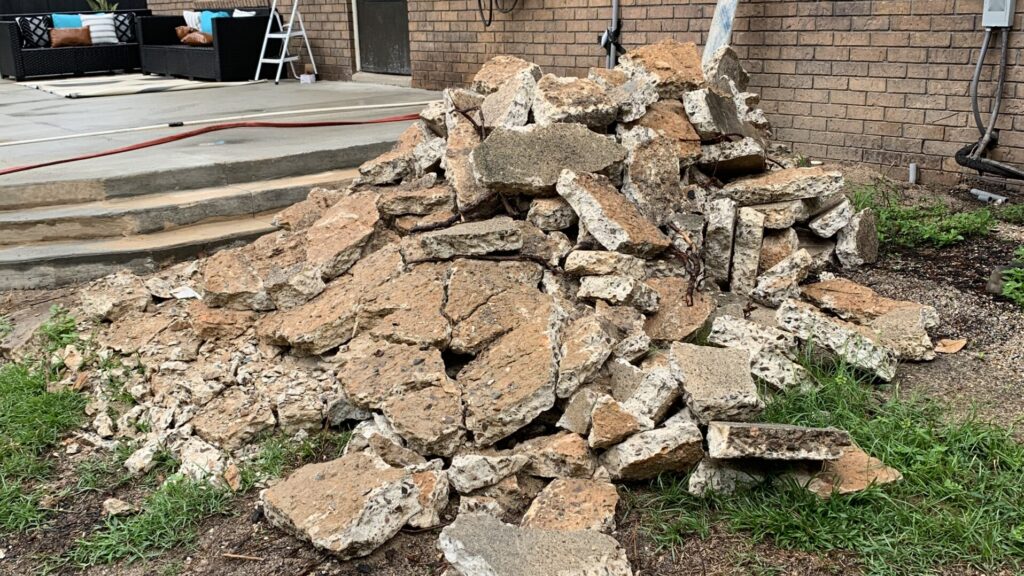
If concrete removal is part of the project, the article Concrete Removal in Aiken SC: Driveways, Patios, Slabs, and Walkways explains additional planning considerations.
Before Accepting a Quote
Read the scope as a description of the finished result. Make sure it identifies the main removal work, important exclusions, permit and utility responsibilities, debris handling, cleanup, and anything on the property that must be protected or retained.
Information to Share When Requesting a Quote
The more clearly a customer describes the desired result, the easier it is to begin a useful quote conversation. Helpful information may include:
- The complete property address
- Clear photos from several sides of the work area
- Photos of the access path, gates, nearby structures, utilities, wells, or septic areas
- A list of structures, attachments, contents, concrete, and debris to be removed
- A list of items, surfaces, systems, or materials that must remain
- Known permit, association, utility, survey, or site requirements
- The planned use of the property after demolition
- The desired cleanup, backfill, or grading result
Customers can also review What Should I Do Before a Demolition Crew Arrives in Aiken SC? for practical preparation guidance after the project scope and schedule are confirmed.
Final Summary
- A demolition scope should explain both what is being removed and what must remain.
- Concrete, foundations, contents, outbuildings, loose debris, backfill, grading, and cleanup should not be assumed; they should be discussed.
- Permit, utility, locating, and administrative responsibilities can vary and should be assigned before work begins.
- Access and nearby items such as wells, septic systems, driveways, trees, utilities, and occupied structures can change the work plan.
- Recycling, salvage, repurposing, or material reuse may be considered when practical, but the options depend on the actual project and available outlets.
- A clear scope gives the owner a better way to understand the quote and review the completed result.
Planning Demolition or Structure Removal in the Aiken Area?
Contact Aiken Demolition to discuss what needs to be removed, what must stay, property access, known utilities, hauling, cleanup, and the result you want when the work is complete.
Get a QuoteFrequently Asked Questions
These answers explain several practical scope and planning questions raised by the Windsor block-building removal project.
Can a building be removed without removing the concrete pad?
It may be possible when the pad is in suitable condition and the structure can be removed without requiring the concrete beneath it to come out. The customer should identify the pad as an item to retain before the quote is finalized. Its condition, connection to the building, equipment access, and demolition approach must then be evaluated for the specific property.
How did Aiken Demolition preserve the concrete pad on the Windsor project?
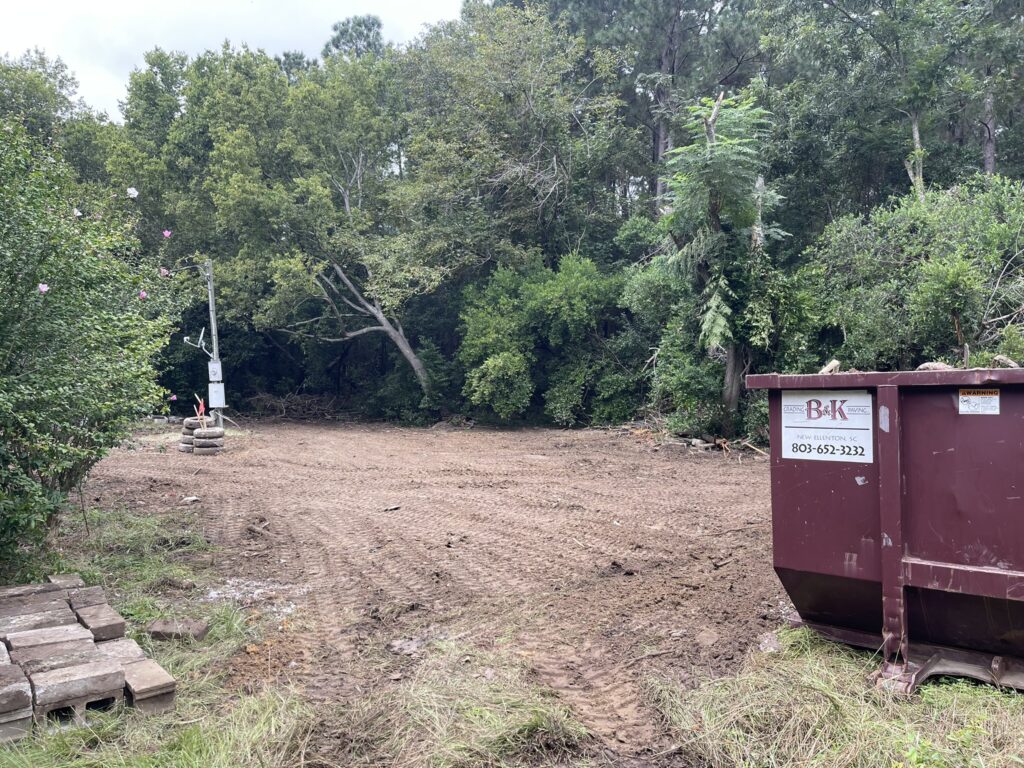
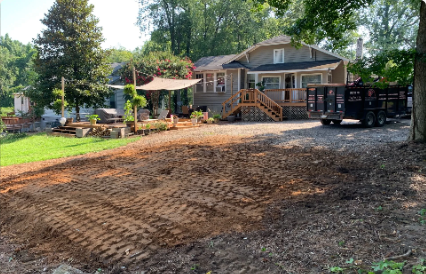
Aiken Demolition used a mini excavator with enough reach to pull demolition debris from the edges of the pad. This allowed the crew to perform the removal without placing the equipment directly on the concrete. The finished project photos show the whole structure removed and the requested pad left in place.
What should a demolition scope of work include?
The scope should identify what will be removed, what must remain, who will handle permits and utility coordination, whether contents or loose debris are included, how materials will be hauled, and what cleanup or final site condition is expected. Any nearby well, septic system, driveway, utility, tree, fence, or occupied structure requiring protection should also be discussed.
Can demolition equipment work near a private well or septic system?
Work may be possible when the location of the well, septic tank, drain field, and related private lines is known and incorporated into the plan. Equipment travel, positioning, falling debris, and material loading should be evaluated around those areas. Records or assistance from a qualified well or septic professional may be needed when locations or conditions are uncertain.
Who obtains the demolition permit in Aiken County?
The responsible party should be established during the quote process. On the Windsor project, the customer obtained the Aiken County demolition permit and avoided the contractor’s administrative charge for handling that task. Aiken Demolition may handle permit-related administration on other projects when that responsibility is included in the agreed scope.
Do before-and-after photos help when planning structure removal?
Photos help document the structure, access, vegetation, nearby improvements, interior conditions, and the requested finished result. They can begin the quote conversation and provide a useful project record. A site review may still be needed because photographs cannot always reveal everything beneath vegetation, inside walls, below the surface, or around private utilities.
Does the demolition quote include debris removal and cleanup?
That should be confirmed in the written scope. The quote should explain whether demolition debris, contents, attachments, loose property debris, hauling, backfill, grading, and final cleanup are included. Customers should compare the finished result described in each quote instead of assuming every contractor has included the same work.
Can metal or wiring from an old building be recycled?
Some materials may be recovered for recycling when their condition, quantity, accessibility, handling requirements, and available receiving outlets make it practical. Aiken Demolition reported recovering a small amount of metal and the accessible electrical wiring from the Windsor project. Recycling options vary by project and should not be assumed or guaranteed.