Quick Answer
You should remove personal belongings, valuables, important documents, medications, firearms, cash, photographs, and anything else you want to keep before house demolition begins. However, the house does not have to be completely empty before you request a quote. Tell the demolition contractor exactly what remains inside and around the structure so furniture, appliances, household junk, vehicles, chemicals, tanks, and unrelated debris can be identified and included or excluded in writing.
Do not assume that every item on the property is automatically part of the structure demolition price. A clear inventory helps define the work, hauling plan, disposal needs, and expected final condition of the site.
One of the most practical questions property owners ask is whether a house must be empty before demolition. The answer depends on what is still there and what the contractor has agreed to handle.
A few damaged cabinets left in place are different from rooms filled with furniture, bags, appliances, paint, fuel containers, tires, or abandoned personal property. The contents can change the labor, equipment, trailer or container needs, disposal route, and number of loads required for the project.
Aiken Demolition can review the structure, remaining contents, exterior debris, access, and cleanup expectations while preparing a quote for house demolition in Aiken SC and nearby service areas. The important step is to show and describe what remains instead of waiting until work is ready to begin.
Does the House Have to Be Empty Before You Request a Quote?
No. You can request a demolition quote while furniture, appliances, household junk, or other materials are still present. In many cases, seeing the contents during the site visit gives the contractor a more complete view of the work.
The quote should identify whether the remaining contents are included, whether the owner will remove certain items first, and whether anything needs separate handling. If the contents are hidden, moved in after the quote, or described only as “a little junk,” the agreed scope may no longer match the property on the scheduled start date.
Empty Structure or Complete Property Cleanout?
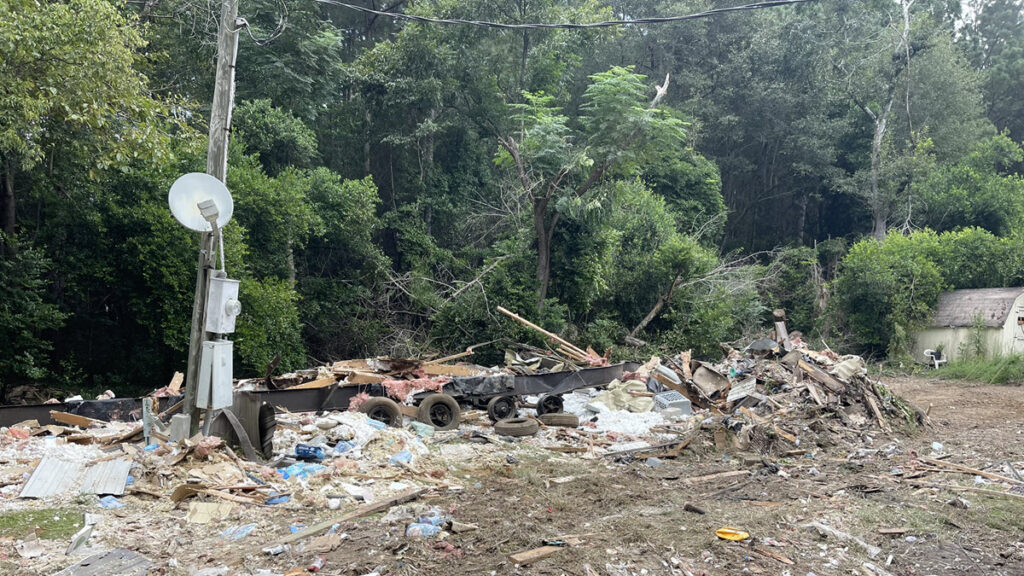
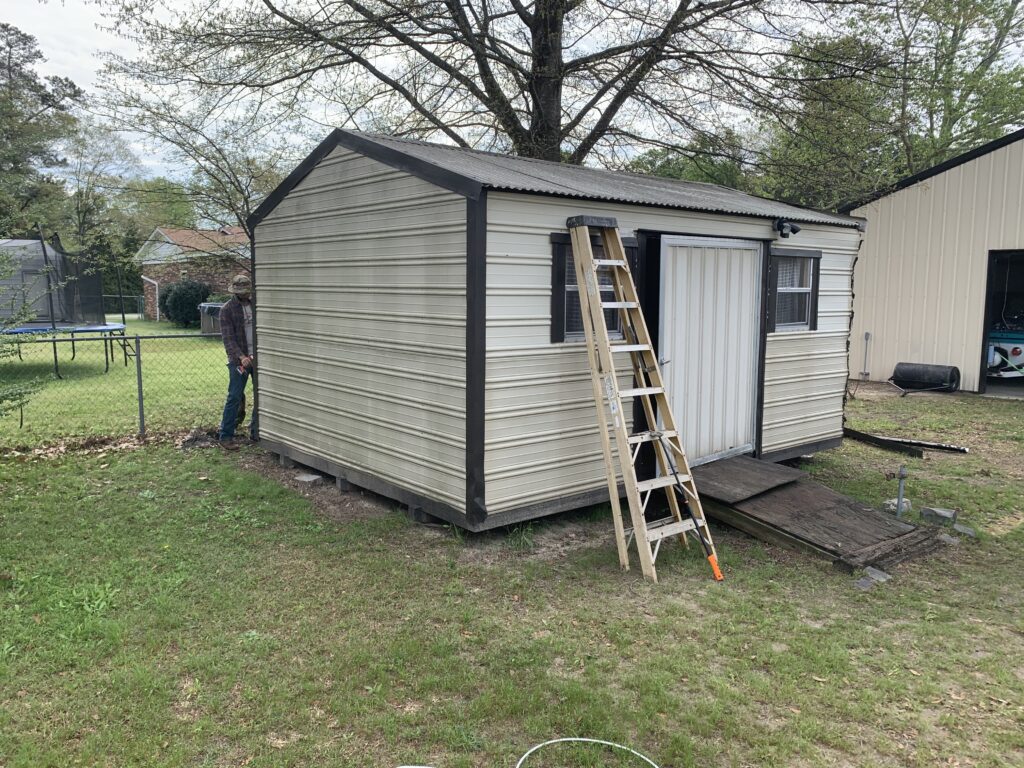
Removing a house is not automatically the same as clearing everything from the parcel. Outbuildings, boats, vehicles, loose scrap, tires, yard debris, stored materials, and household junk outside the house should be listed separately. The quote should explain which of those items are included and what will remain.
Why Do the Contents Change the Demolition Scope?
Structure demolition creates material from the building itself, such as framing, roofing, siding, drywall, masonry, and attached components. Loose household contents add another stream of material that may need to be sorted, loaded, transported, recycled, donated, or disposed of differently.
A contractor reviewing the property may need to consider:
- How much loose material is inside and outside the house
- Whether workers can see and move through the structure during planning
- Whether large furniture or appliances require separate removal
- Whether containers hold paint, fuel, chemicals, or unknown liquids
- Whether vehicles, boats, trailers, tanks, tires, or batteries are present
- Whether anything is intended for donation, reuse, recycling, or owner pickup
- How many loads and which receiving locations may be needed
- What the owner expects the property to look like when the work is complete
These details help distinguish the building-removal scope from the property-cleanout scope. They may also affect timing and cost, which is why the contents should be discussed before the quote is finalized.
What Should the Property Owner Remove Personally?
Anything valuable, private, regulated, irreplaceable, or intended for future use should be removed before demolition. The demolition crew should not be expected to decide which family possessions matter or to search through mixed debris for items after work begins.
Owners should make a final check for:
- Cash, jewelry, photographs, keepsakes, and family records
- Deeds, tax records, insurance papers, titles, and identification documents
- Prescription medications and medical equipment
- Firearms, ammunition, and other secured items
- Computers, phones, storage drives, and devices containing personal data
- Tools, equipment, fixtures, or materials the owner plans to reuse
- Leased or rented equipment that belongs to another company
- Keys, remotes, utility records, and access information for anything that will remain
If the property belonged to a relative, tenant, former owner, or estate, confirm who has authority over the remaining possessions before authorizing their removal. The demolition contractor cannot resolve ownership disputes or determine whether abandoned-looking property has legal or sentimental value.
What Is the Difference Between Belongings, Fixtures, and Demolition Debris?
Loose Belongings
Furniture, clothing, dishes, books, boxes, toys, mattresses, freestanding appliances, and stored materials are loose contents. They are not part of the structure simply because they remain inside it.
Attached Fixtures
Built-in cabinets, permanently attached shelving, plumbing fixtures, interior doors, and similar components are normally treated as part of the house unless the scope says they will be salvaged or removed beforehand. If the owner wants a fixture saved, it should be identified before demolition and removed by the appropriate party while the structure can still be accessed.
Demolition Debris
Demolition debris is material produced as the agreed structure is taken down. Foundation removal, detached concrete, exterior improvements, or unrelated debris piles may still require separate scope language. The broader service is explained in Aiken Demolition’s structure demolition service overview.
Can Furniture and Household Junk Stay Inside?
Sometimes, if the contractor has inspected the contents and specifically included them in the quote. The answer should come from the written scope, not a general assumption about demolition.
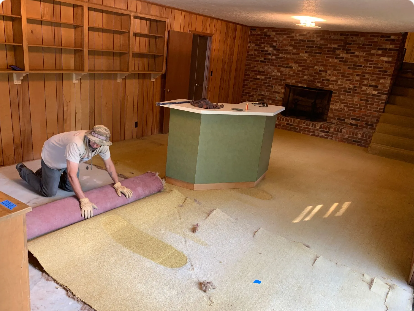
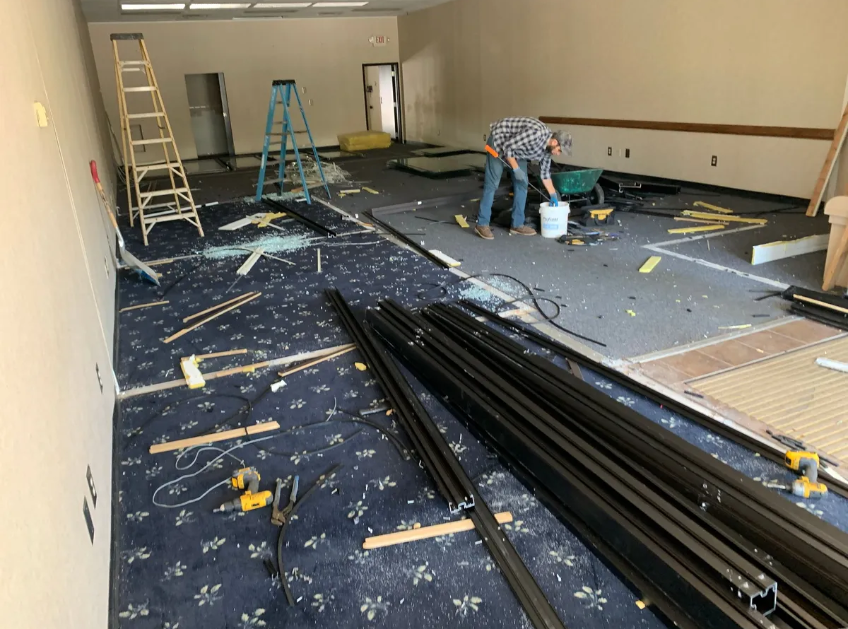
A small amount of ordinary household material may be handled differently from a heavily filled house. Mattresses, upholstered furniture, bagged trash, bulky items, food waste, and materials affected by long-term vacancy can require additional labor and loading. Contents may also block access to floors, walls, utility connections, or areas that need to be reviewed before work begins.
Photographs can help when an owner is out of town, but they should show every room, closet, porch, crawlspace access, outbuilding, and exterior pile that may be part of the project. A wide photograph followed by closer views is more useful than a few cropped images.
What About Appliances, Tanks, Batteries, Tires, and Electronics?
These items should be listed individually. A refrigerator, freezer, air-conditioning unit, propane tank, automotive battery, television, tire pile, or fuel-powered equipment may not follow the same handling path as ordinary household contents or building debris.
South Carolina’s Department of Environmental Services publishes current recycling locations and accepted materials for Aiken County. The published list shows that acceptance can vary by location. For example, large appliances are directed to the landfill, while household electronics are accepted only at selected county centers. Owners should confirm the current location, limits, condition requirements, and hours before transporting an item.
The contractor should also know whether an appliance or tank is owned, leased, connected, pressurized, or believed to contain fuel or refrigerant. Do not move, drain, cut, or dismantle an unknown system without first identifying it and determining who is qualified to handle it.
Paint, Fuel, Thinners, and Chemicals Need Separate Planning
Paint, solvents, thinners, pesticides, gasoline, oil, cleaning chemicals, and unidentified liquids should be disclosed before demolition. They should not be buried in bags, mixed with ordinary debris, poured onto the ground, or left for the crew to discover after loading begins.
Aiken County directs residents with questions about paint, thinners, chemicals, and similar hazardous wastes to contact the Solid Waste Division at 803-642-1533 for the proper procedures and locations. Requirements and receiving options can change, so the current instructions should be confirmed for the specific material.
Do Not Guess About an Unmarked Container
If the contents of a drum, bottle, tank, bucket, or tote are unknown, leave it closed and point it out during the site review. Identification and proper handling should be resolved before structure demolition or property cleanup begins.
Do Not Enter a House That May Be Unsafe to Access
An owner should not enter a fire-damaged, partially collapsed, severely deteriorated, or otherwise unstable structure simply to empty it before requesting a quote. Describe the condition, provide photographs taken from an appropriate location, and tell the contractor which items may remain inside.
Conditions inside an older or damaged structure can also affect environmental planning. South Carolina DES explains that some demolition projects are subject to asbestos-related requirements, while certain private residential demolitions may be exempt unless specified conditions apply. The structure and project circumstances should be reviewed rather than assuming one rule covers every property.
Utility planning remains separate from removing contents. Read Who Disconnects Utilities Before House or Mobile Home Demolition? for an explanation of provider coordination, private lines, and the difference between locating and disconnecting services.
What If the Owner Lives Out of State?
An out-of-state owner can still help define the scope with a detailed site visit, photographs, videos, written item lists, and a clear communication plan. Someone should identify what stays, what goes, what belongs to another party, and who can make decisions if an unexpected item is found.
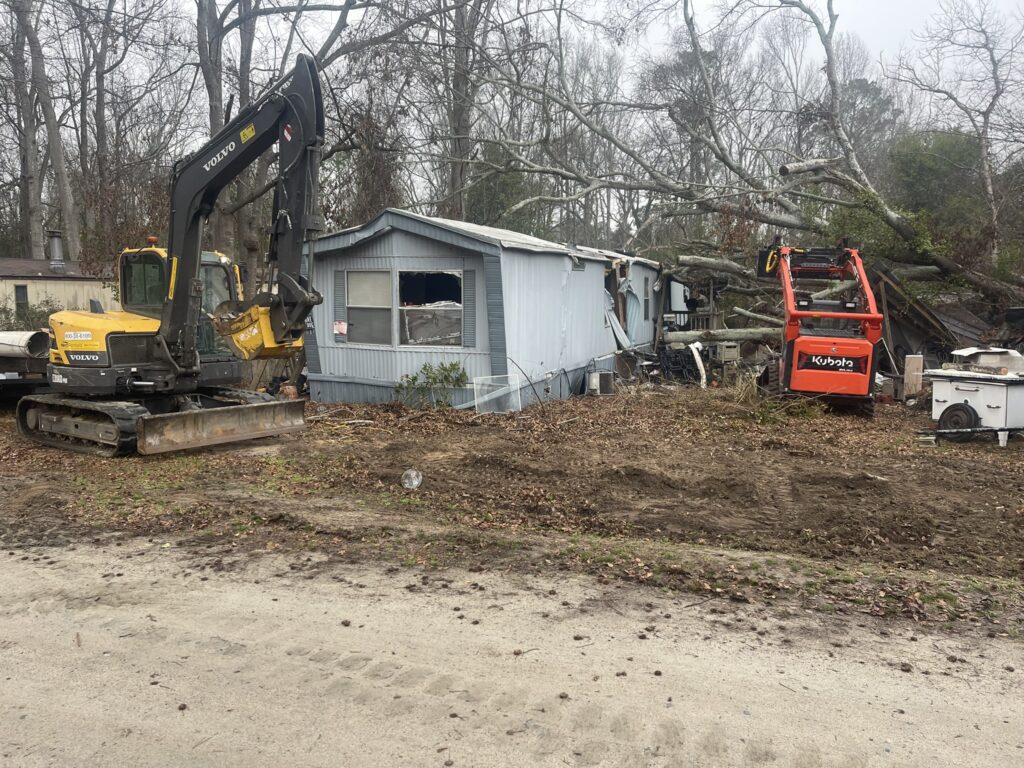
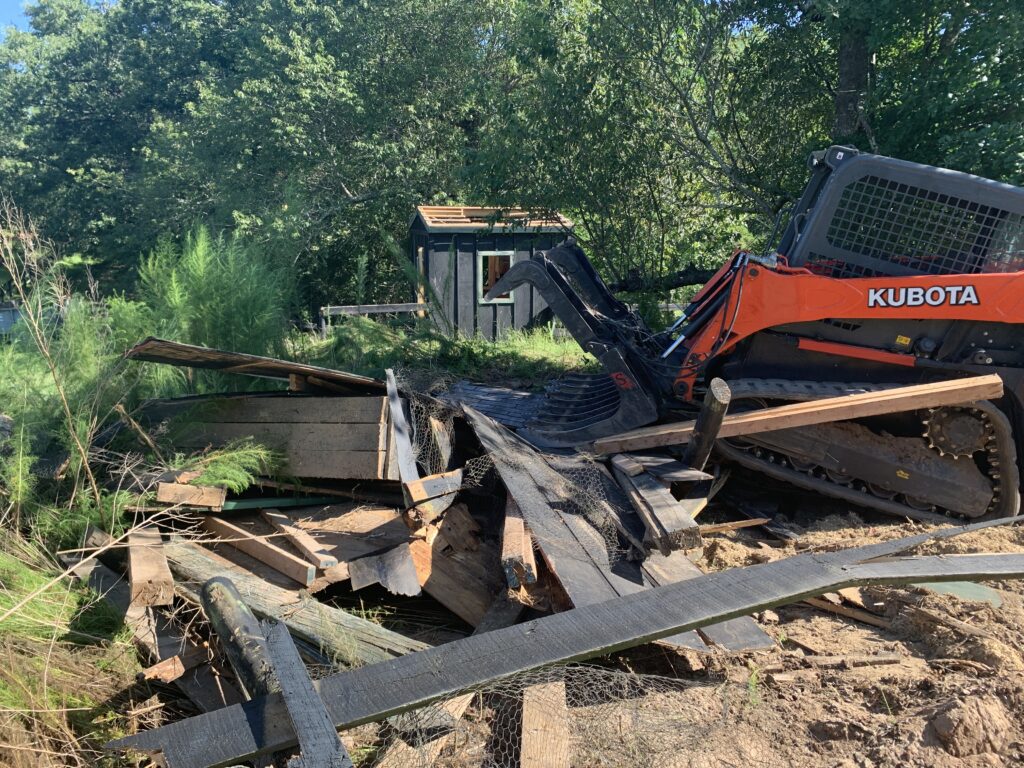
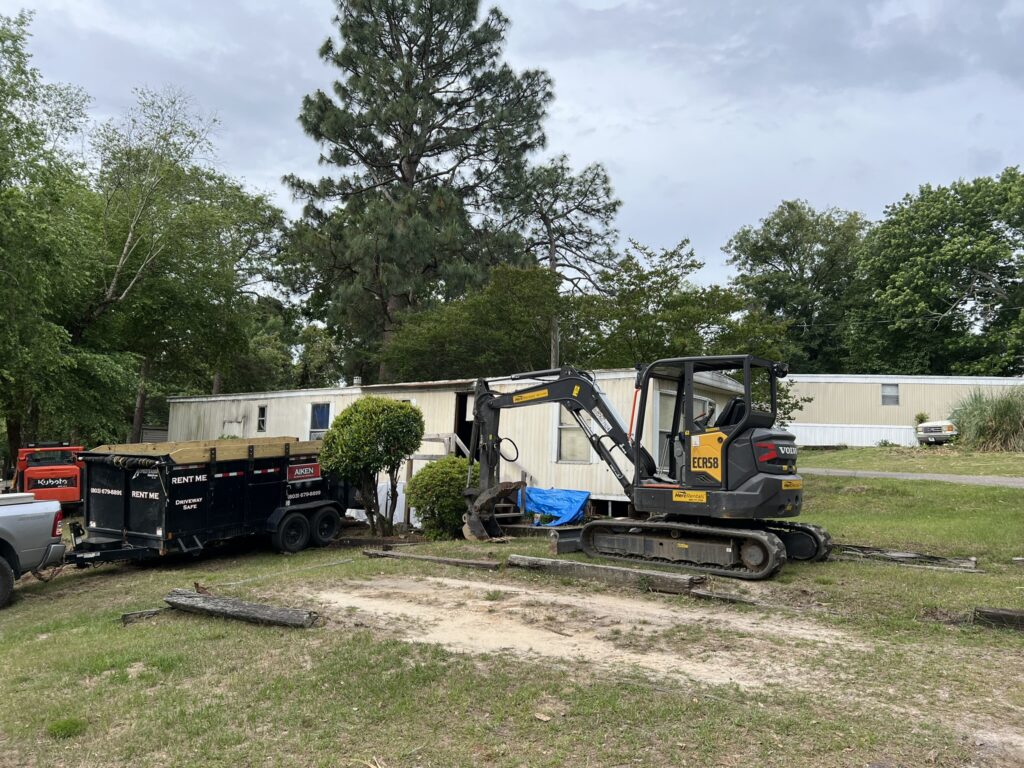
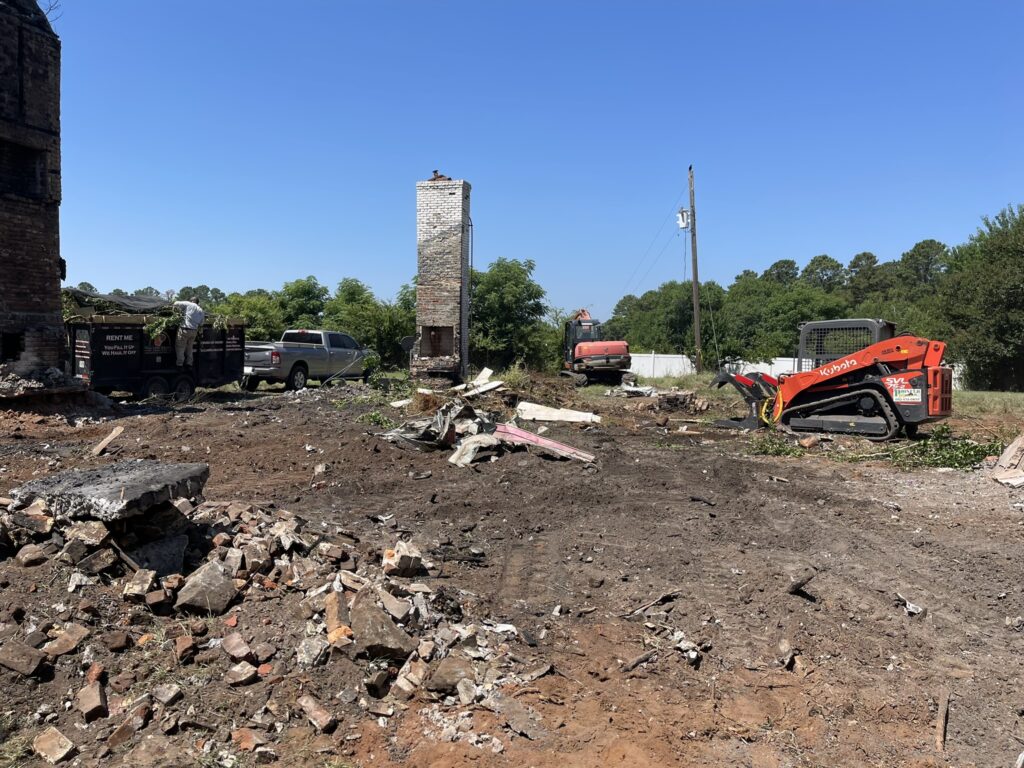
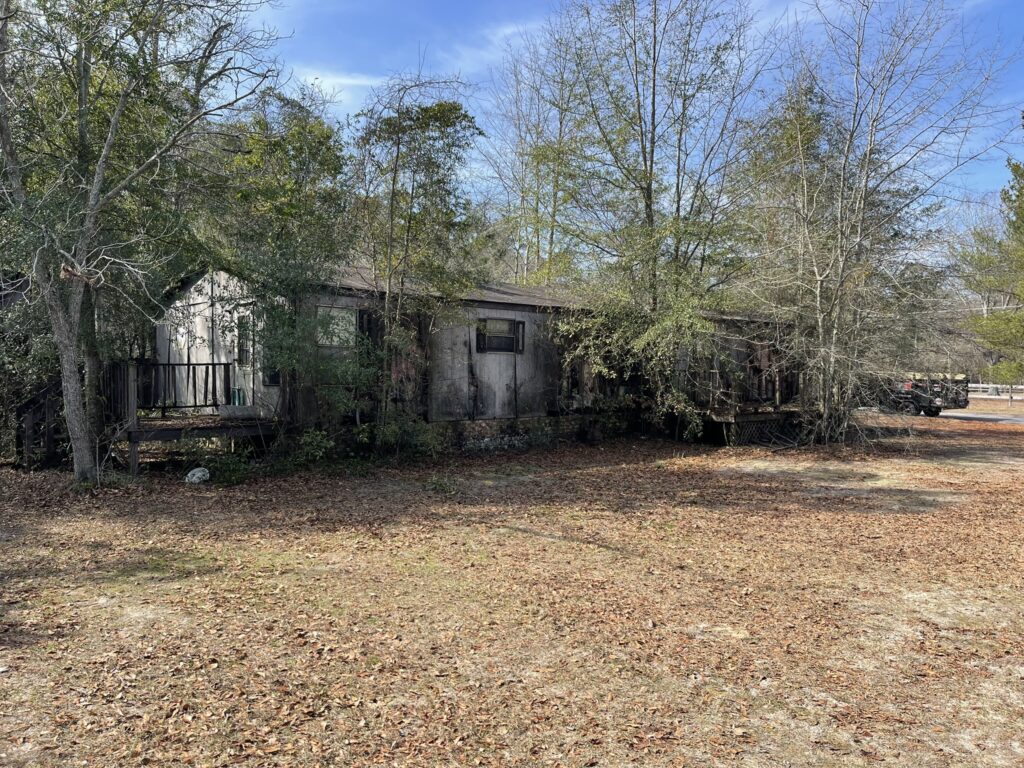
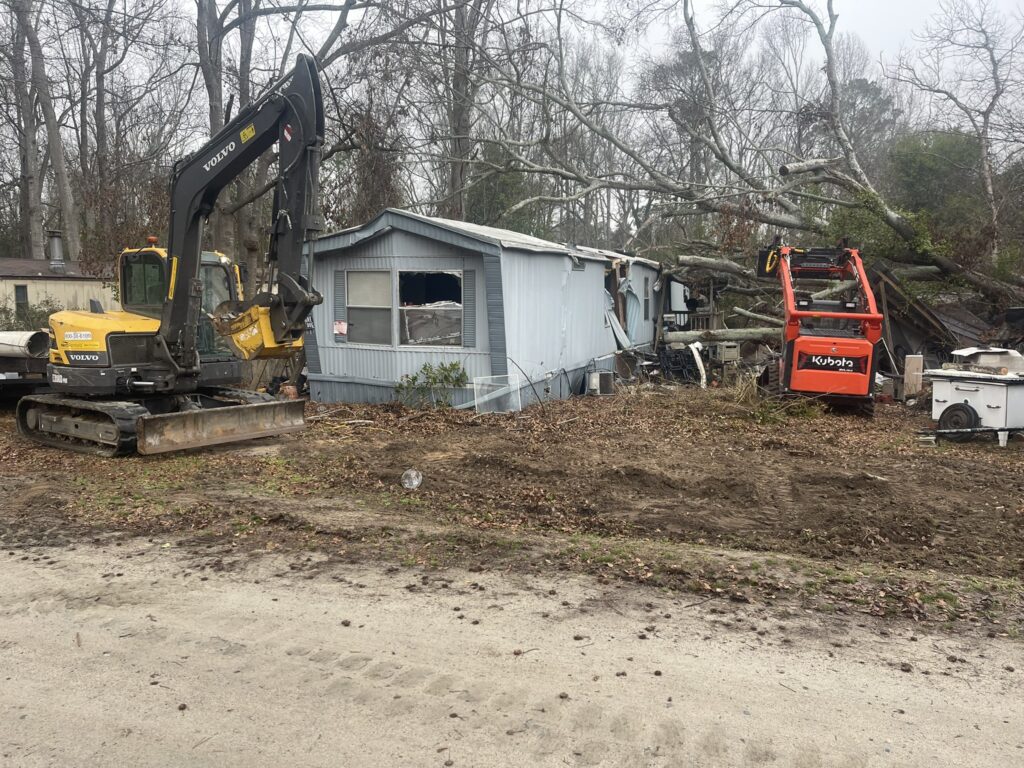
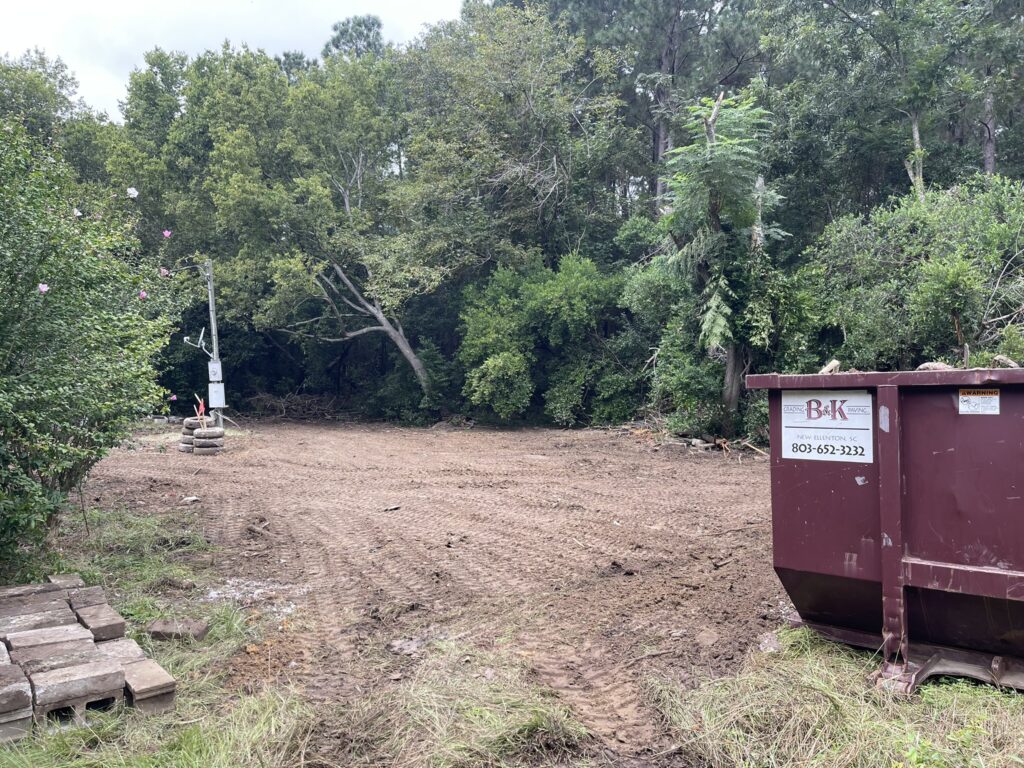
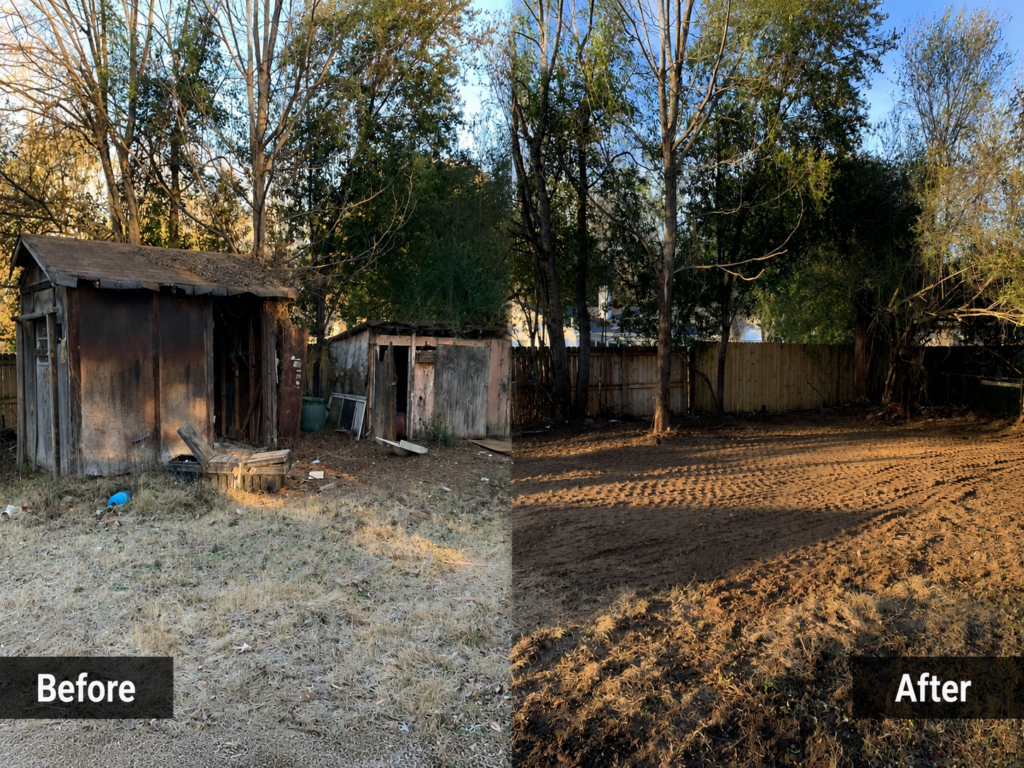
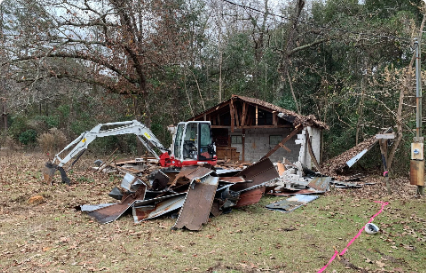
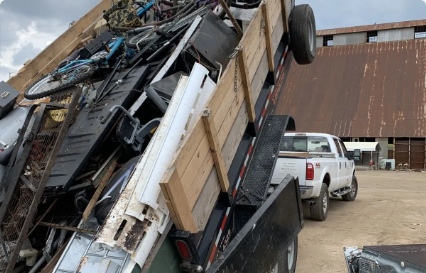
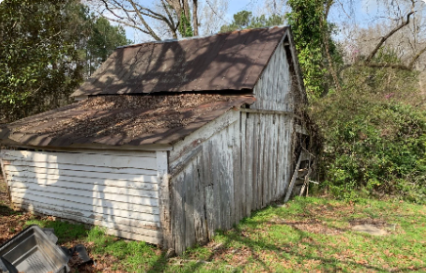
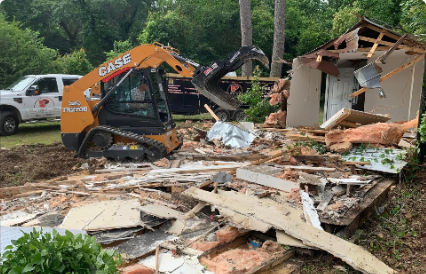
Aiken Demolition handled a broader cleanup during a mobile home removal project in New Ellenton SC. The agreed work included the abandoned mobile home, two outbuildings, boats, vehicles, household junk, lumber, metal, and other debris while the owner was back in the Midwest. That project worked because the larger property cleanout was identified as part of the scope, not assumed to be included with the mobile home.
The New Ellenton project is one example, not a promise that every property or material can be handled the same way. Access, ownership, material type, receiving options, permits, utility conditions, and the owner’s final-site expectations can change the plan.
Can Items Be Salvaged, Reused, or Recycled?
Possibly. Reuse, salvage, and recycling may be considered when practical and when material condition, project timing, handling needs, and a suitable receiving option allow it. Items intended for donation or personal reuse should be separated before demolition instead of mixed into the work area.
On the New Ellenton project, several hundred concrete blocks were set aside for reuse, and recoverable steel, copper wiring, and other metal were recycled. Those results were specific to that property. Material recovery is not guaranteed, and the value, acceptability, and cost effect can differ from one project to another.
If reuse matters to the owner, it should be discussed during quoting. The scope can then identify priority items, who will remove them, where they will be stored, and whether that work must occur before equipment arrives.
How Should You Document What Stays and What Goes?
Use a room-by-room and area-by-area list. Mark items for owner removal, contractor removal, reuse, or exclusion. Include the yard, porches, decks, sheds, garages, vehicles, tanks, and debris piles rather than limiting the list to the main house.
A useful record may include:
- Dated photographs or video of each room and exterior area
- A written inventory of bulky, unusual, or questionable items
- Labels on anything that must remain
- Ownership information for vehicles, tanks, appliances, and rented equipment
- A note identifying chemicals, fuels, batteries, electronics, and tires
- The name of the person authorized to answer questions during the project
Before the start date, walk through the agreed list again. This is especially important if tenants, relatives, cleanup crews, or other contractors have entered the property since the quote was prepared.
What Should Be Written Into the Quote?
The quote should make the boundary of the work understandable. Depending on the project, it may identify:
- The house or other whole structures being removed
- Whether furniture, appliances, and household junk are included
- Which outbuildings, exterior improvements, vehicles, or debris piles are included
- Items the owner must remove before the scheduled start
- Materials requiring separate evaluation or handling
- Foundation, slab, footing, driveway, or utility components that remain
- Hauling and disposal expectations
- Any planned salvage, reuse, or recycling work when practical
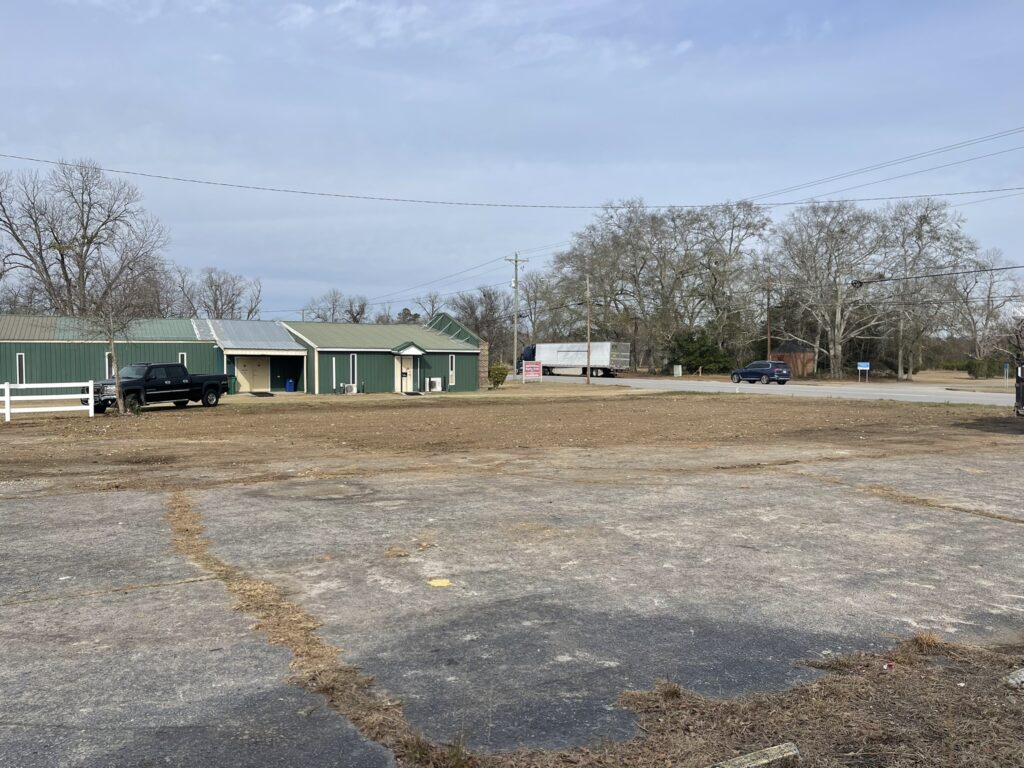
- The expected final grade and general condition of the agreed work area
These details help an owner compare quotes on the same scope. A lower price may reflect fewer included items rather than the same work at a different rate. For other factors that can affect a project, see the demolition cost guide for Aiken SC.
How Is This Different From Preparing for the Crew?
This article focuses on deciding what happens to the contents and writing that decision into the demolition scope. Crew preparation is broader. It can include access, gates, parked vehicles, pets, utility confirmations, neighboring areas, and who will be available when the project starts.
Once the contents plan is settled, use What Should I Do Before a Demolition Crew Arrives in Aiken SC? as the next planning checklist.
Final Summary
- Remove valuables, private records, medications, firearms, keepsakes, and anything you want to retain before demolition.
- The house does not have to be empty before you request a quote, but all remaining contents should be shown and described.
- House demolition does not automatically include every item, outbuilding, vehicle, or debris pile on the property.
- Furniture, appliances, tanks, tires, electronics, chemicals, and unknown containers may require separate scope and handling decisions.
- Document what stays and what goes with photographs, a written inventory, and clear quote language.
- Reuse and recycling may be considered when practical, but the options and results depend on the materials and project.
- Do not enter an unstable structure just to empty it. Tell the contractor what may remain and discuss the appropriate planning approach.
Planning House or Structure Demolition in Aiken SC?
Contact Aiken Demolition to discuss the structure, remaining contents, exterior debris, access, hauling needs, and the final condition you expect from the agreed work area.
Request a QuoteFrequently Asked Questions
Does a house have to be completely empty before demolition?
No. A house does not have to be completely empty before you request a quote. Personal belongings and anything you want to keep should be removed, while all remaining furniture, appliances, junk, chemicals, and exterior debris should be shown to the contractor and addressed in the written scope.
Can furniture and household junk remain inside the house?
Sometimes, if the contractor has inspected the contents and specifically included their removal in the quote. The amount and type of material can affect labor, loading, transportation, disposal needs, timing, and cost.
What should I remove before house demolition begins?
Remove valuables, cash, jewelry, photographs, family records, legal documents, medications, firearms, ammunition, personal electronics, reusable tools, and anything else you want to retain. The demolition crew should not be expected to determine which possessions are valuable or sentimental.
Are appliances automatically included in a house demolition quote?
Not necessarily. Refrigerators, freezers, air-conditioning units, televisions, propane tanks, batteries, and other appliances or equipment should be identified individually so the quote can state whether they are included and whether separate handling is needed.
Does house demolition include everything else on the property?
No. Outbuildings, boats, vehicles, loose scrap, tires, yard debris, stored materials, and household junk outside the house should be listed separately. The written scope should explain exactly what will be removed and what will remain.
What should I do with paint, fuel, chemicals, or unknown containers?
Disclose them before demolition and do not mix them with ordinary debris. Leave unknown containers closed and point them out during the site review so proper identification and handling can be determined before work begins.
Can belongings or building materials be salvaged or recycled?
Possibly. Reuse, salvage, donation, and recycling may be considered when practical and when the material condition, project timing, handling requirements, and available receiving options allow it. Items intended for reuse should be identified and separated before demolition.
Can an out-of-state owner arrange house demolition and cleanup?
Yes. A detailed site review, photographs, videos, written item lists, and a clear communication plan can help define what stays, what goes, and who can make decisions if unexpected items are found.