What to Know
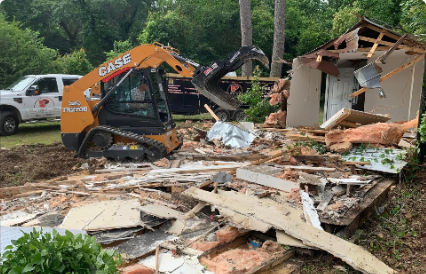
This real residential fence-removal project in Aiken, SC shows why removing an old fence can involve more than simply taking down panels. The project area included established landscaping and a walkway that remained after the fence was removed.
Before fence removal begins, it helps to define the exact fence line, which sections and posts are included, whether concrete footings are part of the work, what nearby property needs to remain, how debris will be removed, and what the finished area should look like.
An old fence may look like a relatively simple demolition project, but the actual scope can involve panels, rails, gates, posts, concrete, hardware, landscaping, access, neighboring property, and debris removal.
This Aiken project provides a useful real-world example. The objective was not simply to make the fence disappear. The work also had to account for the surrounding residential setting and the condition of the area after removal.
Aiken Demolition lists fences among the smaller projects that can fit its light demolition services. For property owners considering fence removal in Aiken SC, defining the scope before work begins helps the contractor and customer understand the same finished result.
A Real Fence-Removal Project in Aiken SC
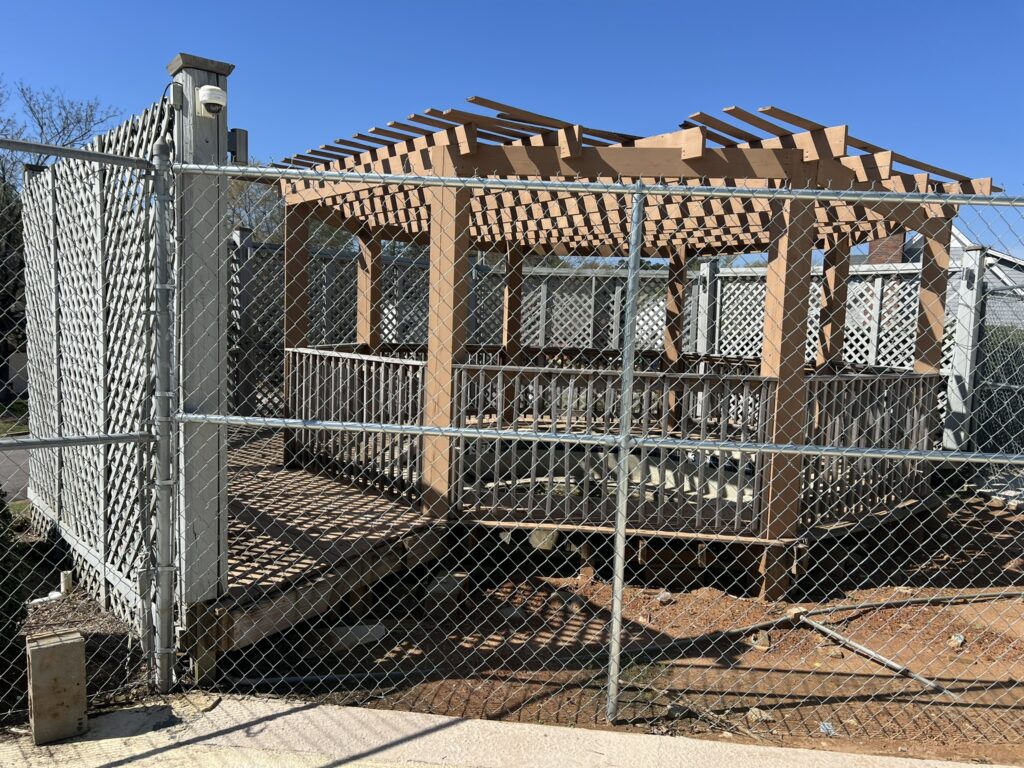
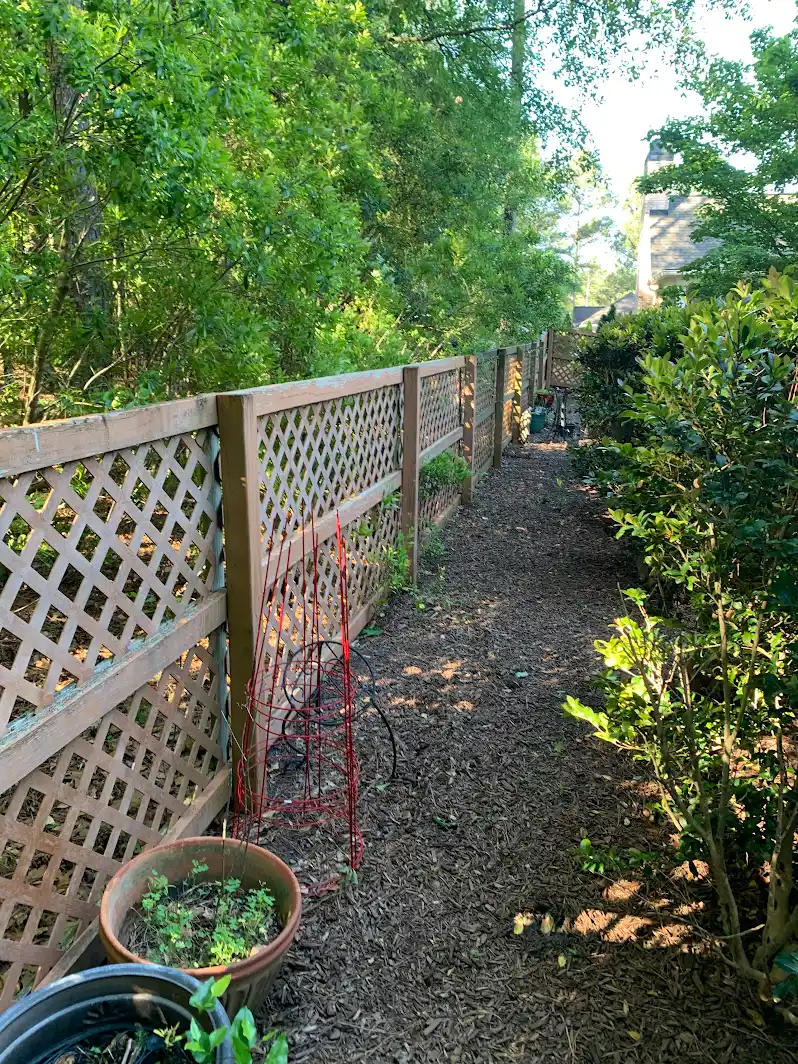
The before photo shows an existing wood fence running beside a landscaped walkway. Shrubs, established planting areas, and the pathway itself were close to the fence line.
That kind of setting illustrates an important point about residential fence removal: the fence may be what is leaving, but much of the surrounding property is supposed to stay.
After removal, the same walkway and landscaping remained while the fence line was opened up.
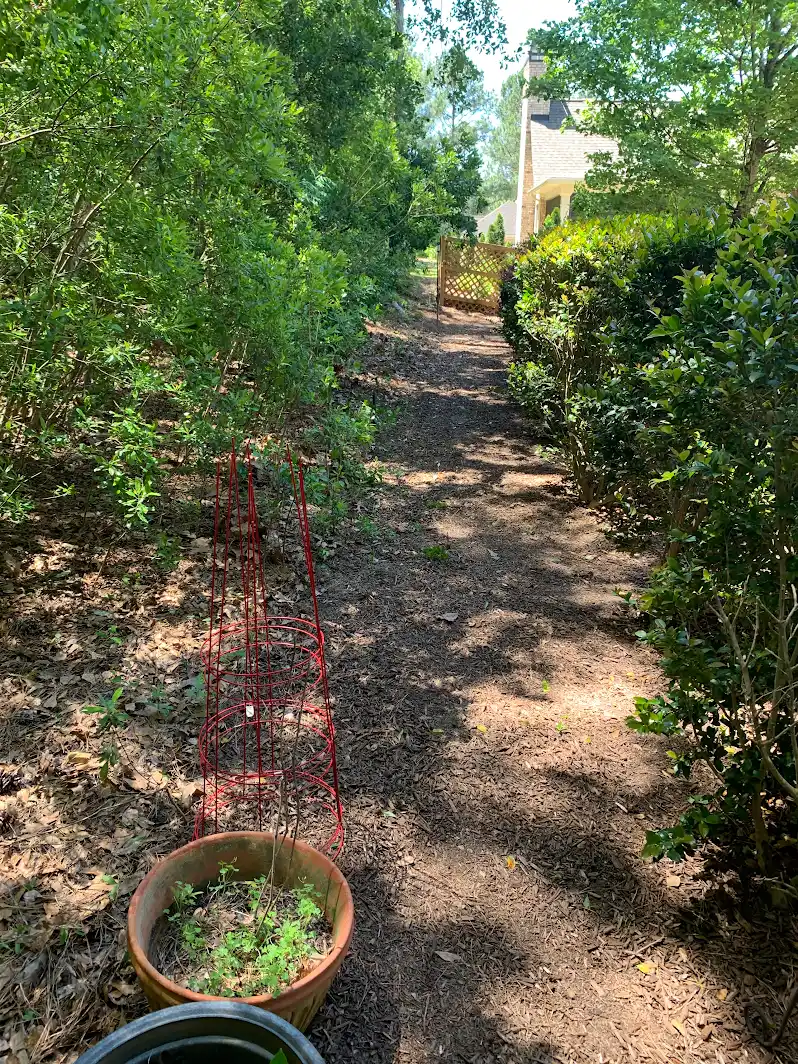
The before-and-after views demonstrate why the expected finished condition should be part of the fence-removal conversation before the project begins.
What Can a Fence-Removal Project Include?
The word “fence” can describe many different materials and construction methods. Depending on the project, removal may involve wood privacy fencing, pickets, lattice sections, metal or chain-link fencing, vinyl panels, gates, rails, posts, hardware, and concrete around posts.
The material and construction matter because they affect how the fence comes apart, how the pieces can be handled, and what remains after the visible fence sections are gone.
A wood fence may involve panels or individual boards, rails, posts, screws, nails, and concrete footings. Chain-link fencing may include fabric, top rails, tension hardware, gates, metal posts, and concrete around terminal or corner posts. Vinyl fencing can include panels, rails, posts, caps, and internal supports depending on the installation.
The quote should identify the actual fence being removed instead of assuming that every fence-removal project has the same scope.
Does Fence Removal Include the Posts?
This should be settled before work begins.
Taking down the visible fence does not automatically answer what happens to the posts. Some property owners want the entire fence system removed. Others may want certain posts or sections left for another purpose.
If every post is expected to come out, include that expectation when requesting the quote. If anything must remain, identify it clearly.
Define What “Fence Removal” Means
Fence removal may mean panels only, panels and posts, or panels, posts, gates, concrete footings, debris hauling, and cleanup. Defining the scope before work starts helps prevent different expectations about when the project is complete.
What About Concrete Around Fence Posts?
Fence posts are commonly installed with concrete, but the size and shape of those footings can vary.
A small amount of concrete around a standard fence post is different from a larger footing supporting a corner post or gate.
If concrete removal is expected, include that in the project discussion. The customer and contractor should also clarify what should happen to the area after posts and footings are removed.
Post removal can leave openings or disturbed soil. Backfill, grading, soil replacement, lawn repair, or preparation for another contractor should not be assumed unless those services are part of the agreed scope.
Gates Can Change the Project
Gates can involve heavier posts, hinges, latches, wheels, braces, or other components that differ from ordinary fence panels.
Some gates may also be connected to powered openers, low-voltage wiring, lighting, access controls, or similar equipment.
If a gate has electrical or mechanical components, identify those conditions while planning the removal. The quote should clarify whether gates, gate posts, hardware, openers, or related components are included.
Confirm the Correct Fence Line
A demolition contractor needs to know exactly which fence or fence sections are being removed.
That becomes especially important when a fence connects to another fence, runs near neighboring property, or contains sections that need to remain.
If ownership or the correct property boundary is uncertain, resolve that issue before demolition begins rather than relying on an assumption during the work.
Protecting What Needs to Remain
The before-and-after photos from this Aiken project illustrate another important part of fence removal: nearby features may be close to the work area.
Depending on the property, those features can include:
- Landscaping, shrubs, and trees
- Walkways and sidewalks
- Driveways and patios
- Sheds, garages, or carports
- Retaining walls
- Drainage features
- HVAC equipment or utility meters
- Neighboring fences or improvements
- Areas the customer wants left undisturbed
A good demolition scope identifies both sides of the project: what comes out and what stays.
Access Matters Even on a Smaller Demolition Project
A backyard fence can be easy to see but difficult to reach with equipment, trailers, or a debris-loading route.
Gate width, landscaping, slopes, soft ground, trees, overhead lines, parked vehicles, driveways, and the distance between the fence and a practical loading area can affect how the work is approached.
When requesting a quote, provide photos of both the fence and the path from the driveway or street to the work area.
A close-up photograph may show the fence condition, but it does not necessarily show how removed material will get out of the property.
Known Utilities and Irrigation Should Be Identified
Fence lines can run near irrigation, landscape lighting, electrical wiring, drainage, septic components, utility areas, or other property systems.
Tell the contractor about known conditions before work starts.
If a fence, gate, outlet, light, or other feature has a connection that is not obvious from the surface, identify it during planning.
Knowing that a utility or property system exists is not automatically the same thing as preparing it for demolition. Responsibilities should be clarified for the particular project.
What Happens to the Fence Debris?
Once the fence is dismantled, the material still needs to be gathered, moved, loaded, hauled, and cleared according to the agreed scope.
Fence debris may include wood, metal, vinyl, wire, gates, rails, hardware, fasteners, posts, and broken concrete.
Recycling, salvage, repurposing, or material reuse may be considered when practical or possible. Whether that makes sense depends on the material, condition, quantity, access, transportation, and available receiving options.
It should not be assumed that every fence component can or will be recycled or reused.
What Should the Property Look Like Afterward?
This real Aiken fence-removal project provides a clear visual reminder that the finished condition matters.
In the before photo, the fence forms a visible boundary beside the landscaped walkway. In the after photo, that boundary is gone while the surrounding walkway and landscaping remain.
Another property owner may want something different.
After fence removal, the area could contain post holes, exposed soil, remaining concrete, disturbed grass, loose hardware, or other conditions that affect what happens next.
A customer preparing for a replacement fence may need a different finished condition from a customer who plans to landscape the area or leave it open.
Discuss the intended next use before the removal project begins.
Are You Replacing the Fence?
If another fence will be installed, tell the demolition contractor while the removal scope is being developed.
The replacement plan may affect whether posts, footings, gates, or certain sections should remain or be removed.
It may also affect how the old fence line needs to be left for the next phase of work.
The demolition contractor does not have to design the replacement fence to understand that the removal work is preparing the property for something that comes next.
Is Fence Removal Considered Light Demolition?
Fence removal generally fits more naturally within light demolition than whole-structure demolition because the primary building remains in place.
Aiken Demolition's broader exterior demolition guide includes fences alongside decks, porches, patios, playsets, smaller sheds, carports, and similar exterior features.
This project-specific guide focuses more narrowly on the questions that come with fence removal: the fence line, material type, posts, concrete, gates, access, surrounding property, debris, and final condition.
What Information Helps With a Fence-Removal Quote?
Good information helps the contractor understand the property and scope before scheduling the work.
When requesting a fence-removal quote, provide as much of the following as you reasonably can:
- The complete property address
- Clear photographs of the fence
- Photos showing the surrounding property
- Photos showing access from the street or driveway
- The approximate fence length and height when known
- The fence material or materials
- The number and type of gates
- Whether posts should be removed
- Whether concrete footings should be removed
- Anything that must remain
- Known irrigation, wiring, drainage, or utilities near the fence
- Nearby landscaping or improvements that need protection
- The condition you want the area left in afterward
If you do not know an answer, say so rather than guessing. The contractor can determine which details still need to be reviewed before the final scope is established.
A Before-and-After Project Tells the Story
The photographs from this Aiken project show the practical goal clearly: remove the intended fence while working within an existing residential property and leaving the surrounding area ready for whatever the property owner plans next.
Why a Dedicated Fence-Removal Plan Helps
Fence removal is smaller than removing a house or commercial building, but smaller projects still benefit from a defined scope.
Posts, concrete, gates, neighboring property, landscaping, utilities, access, debris, and final-site expectations can all affect the work.
Addressing those questions before demolition begins gives both the property owner and contractor a clearer understanding of the project.
For more information about smaller demolition projects, see Aiken Demolition's light demolition services and complete demolition services.
Final Summary
This real Aiken, SC fence-removal project shows how an existing fence can be removed while surrounding residential features remain part of the finished property.
Fence removal can include panels, rails, gates, posts, concrete footings, hardware, debris hauling, and cleanup depending on the agreed scope.
Before work begins, identify the correct fence line, what should remain, whether posts and footings are included, known utilities or irrigation, access conditions, nearby property that needs protection, and what you want the area to look like afterward.
Those details turn a simple request to “remove the fence” into a clearly defined demolition project.
Need an Old Fence Removed?
Send the property address, clear photos of the fence and access route, the fence material, what should be removed, what must remain, and the condition you want when the project is finished.
Request a Project QuoteFrequently Asked Questions
Does fence removal include removing the posts?
It can. The scope should clearly state whether the project includes only fence panels or also includes posts, gates, hardware, concrete footings, debris removal, and cleanup.
Can concrete around fence posts be removed?
Concrete footings can be included when they are part of the agreed project scope. The size and amount of concrete can vary, particularly around gates, corner posts, and other heavily supported sections.
What types of fencing can be part of a removal project?
Projects may involve wood privacy fencing, lattice or picket fencing, chain-link or other metal fencing, vinyl fencing, gates, rails, posts, hardware, and related components. The specific scope depends on the property and fence construction.
Can landscaping stay in place when a fence is removed?
Surrounding landscaping that should remain needs to be identified during project planning. The real Aiken project shown in this article demonstrates a fence-removal area where the landscaped walkway and nearby plants remained after the fence was removed.
What happens to holes after fence posts are removed?
That should be defined in the scope. Post and footing removal can leave openings or disturbed soil. Backfill, grading, soil replacement, lawn repair, or preparation for another contractor should not be assumed unless included in the agreed work.
Can an old fence be removed before installing a replacement?
Yes. Tell the demolition contractor that a replacement fence is planned so the removal scope can account for posts, footings, gates, sections that may remain, and the condition needed for the next phase.
What should I point out near the fence before removal?
Identify landscaping, trees, walkways, concrete, neighboring property, irrigation, electrical wiring, lighting, drainage, septic components, utilities, structures, and anything else that needs to remain or be protected.
Does fence removal include hauling away the debris?
Debris hauling should be defined in the project scope. Fence debris may include panels, rails, posts, gates, wire, hardware, fasteners, wood, vinyl, metal, and concrete.
Is fence removal considered light demolition?
Fence removal generally fits within light demolition because the primary building remains in place. The actual work can still involve posts, concrete, access limitations, nearby property, debris handling, and site cleanup.
What should I send when requesting a fence-removal quote?
Send the complete property address, clear fence photos, access photos, approximate fence dimensions when known, fence material, information about gates, whether posts and concrete should be removed, known utilities or irrigation, nearby features that should remain, and the condition you want after the fence is gone.