What to Know
Before hiring a demolition contractor, insurance is worth discussing along with the project scope, cleanup, hauling, access, utilities, scheduling, and final-site expectations.
A property owner can ask a contractor for current proof of insurance and review basic details such as the company name, insurer, policy type, and effective dates. Insurance does not replace a clear demolition contract, and no certificate or policy means that every possible loss or situation is automatically covered.
When property owners compare demolition contractors, price is usually one of the first things they notice. But the number on the quote is only one part of the decision.
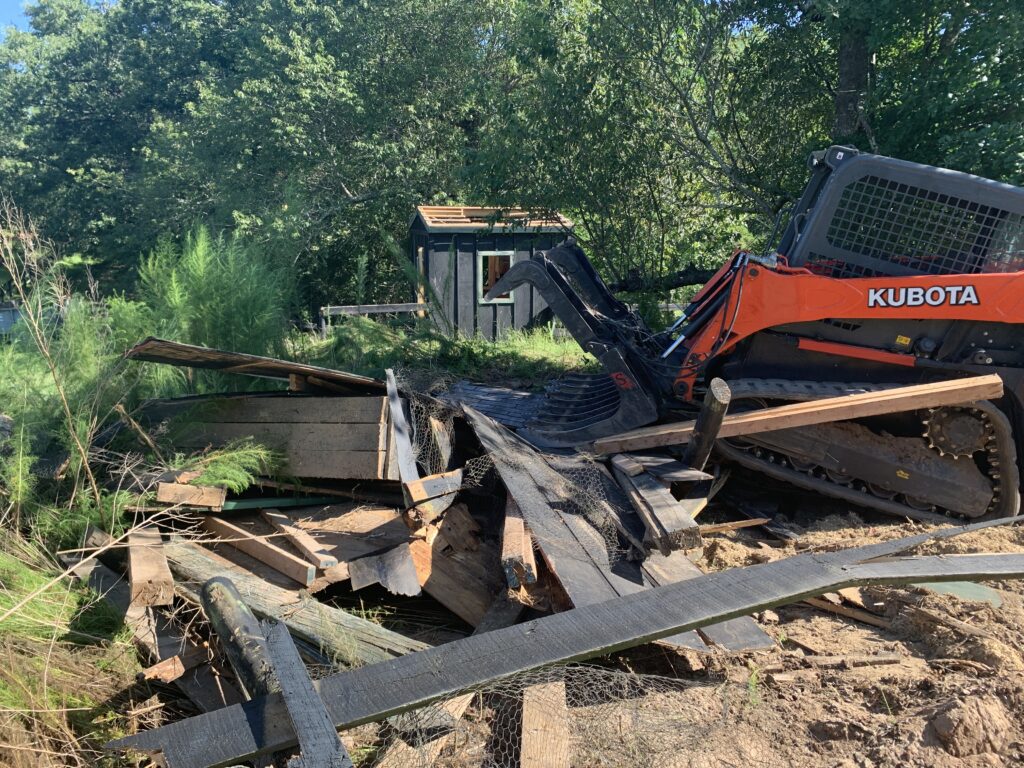
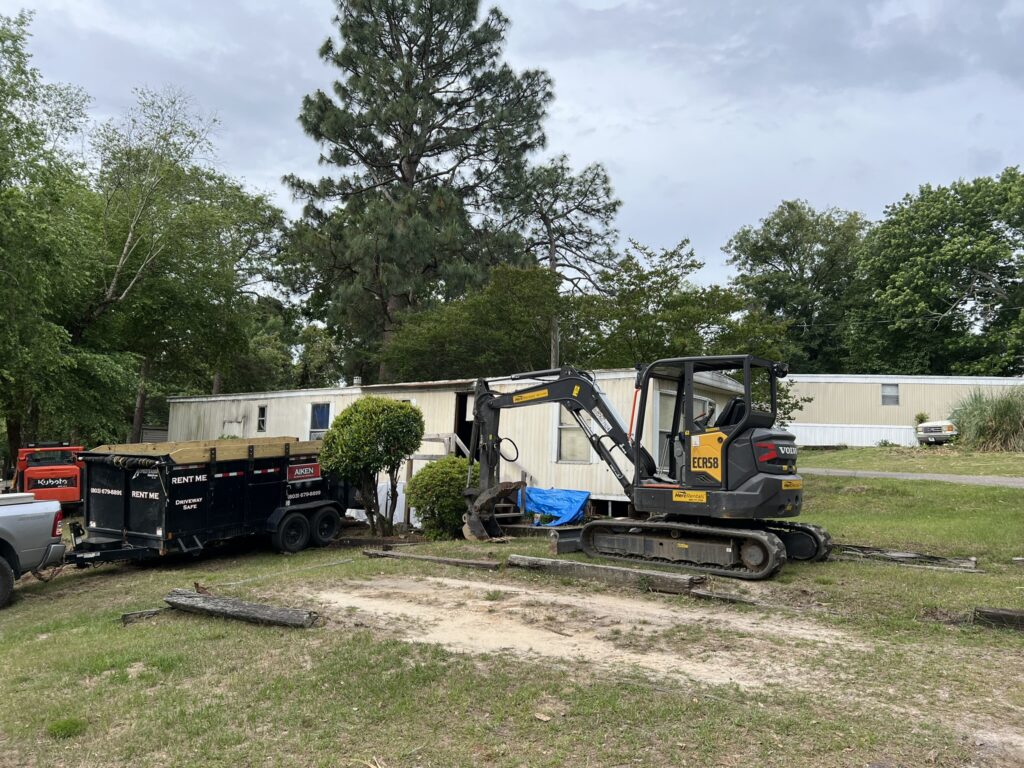
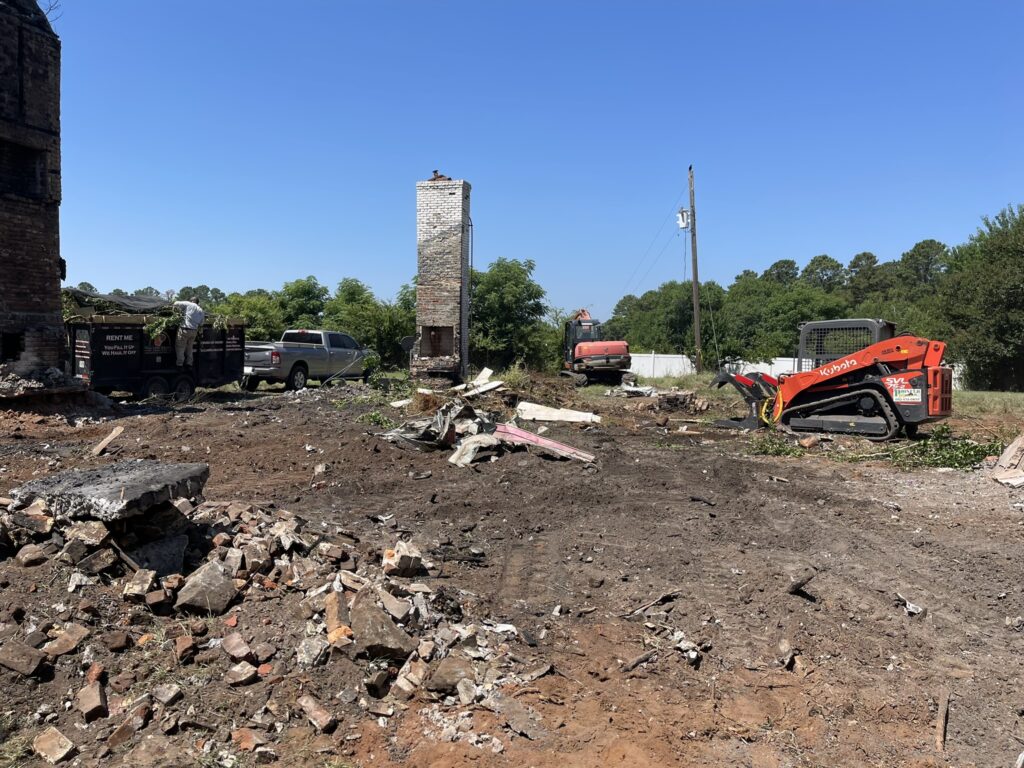
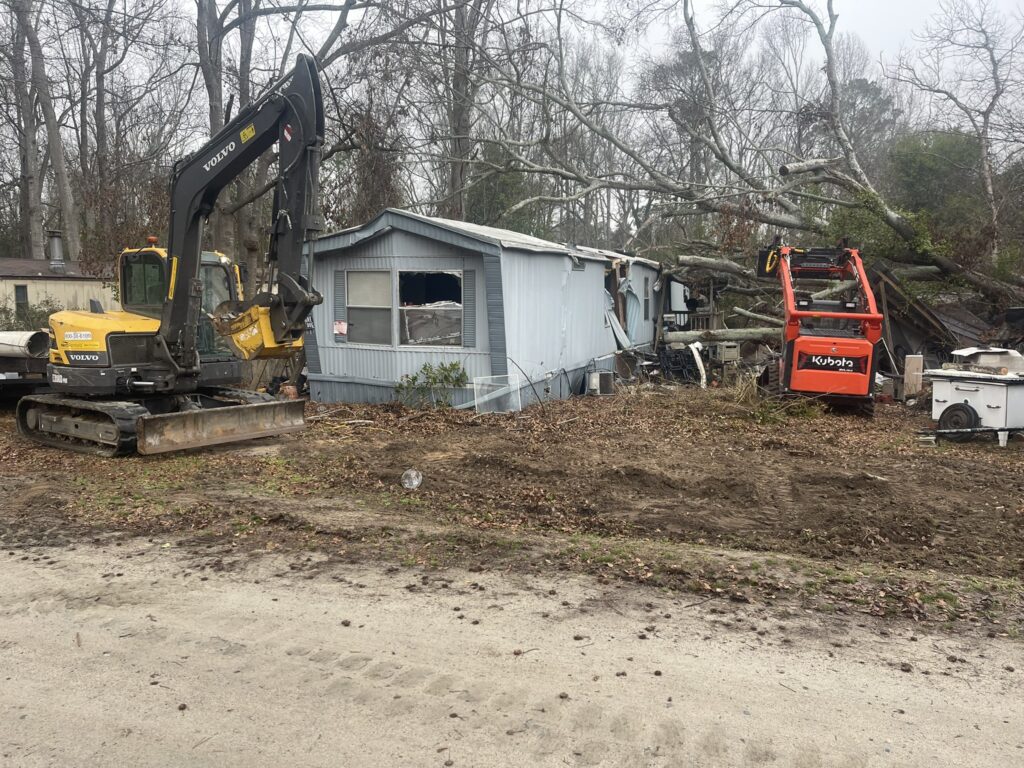
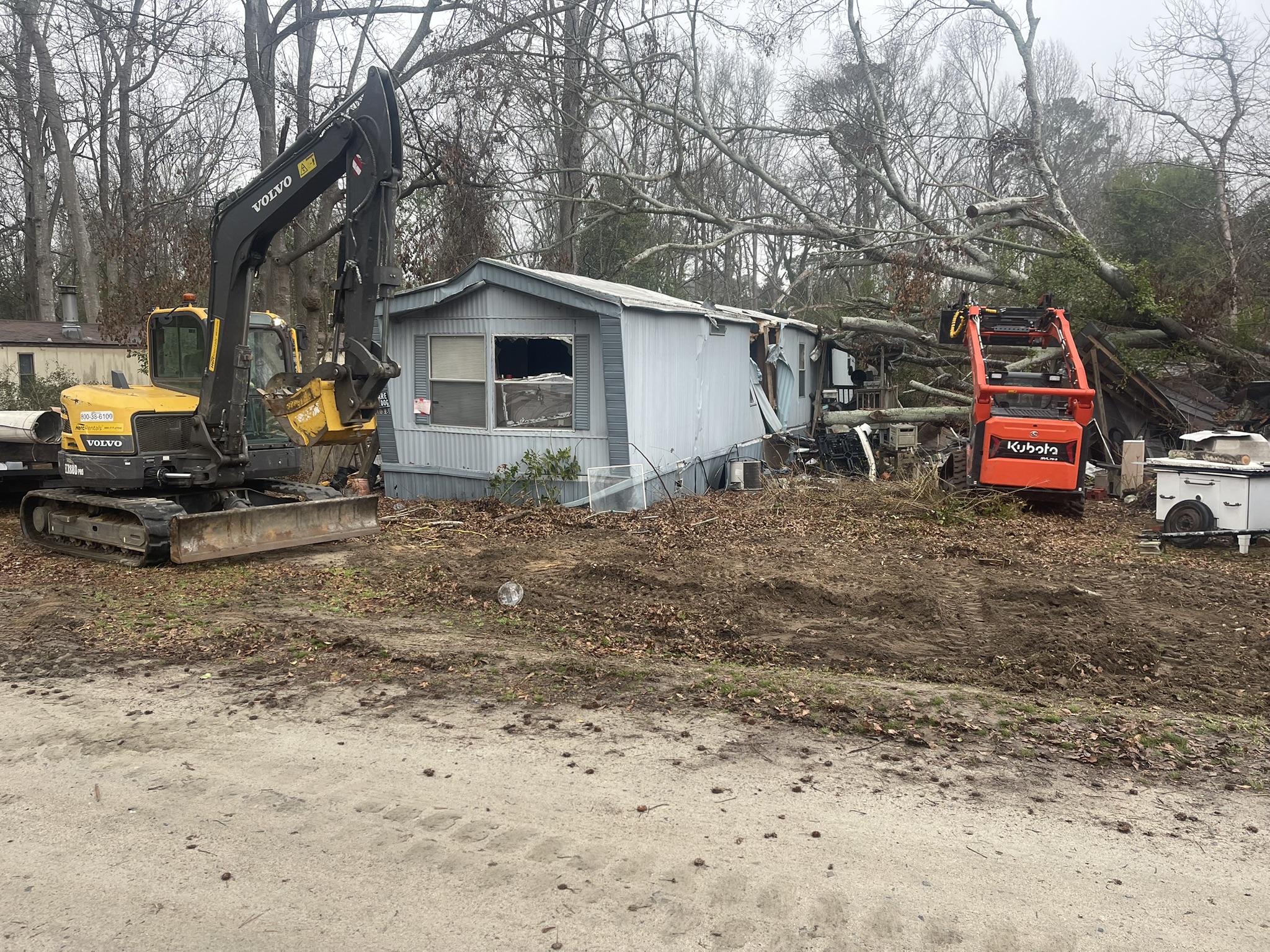
Demolition can involve heavy equipment, trucks, debris, structures, utilities, neighboring improvements, driveways, concrete, trees, fences, and other property that may need to remain protected.
That is why demolition contractor insurance in South Carolina is a reasonable subject to discuss before work begins.
The goal is not to become an insurance expert. The goal is to understand who you are hiring, verify the information that matters to you, and make sure the demolition scope and project details have been discussed clearly.
Why Ask About Insurance Before Demolition Begins?
Demolition work is physical work performed around real property. Even a relatively straightforward project can involve equipment movement, loading, hauling, falling material, access through driveways or yards, and work near features that are supposed to remain.
Insurance is one part of evaluating whether a contractor has approached the business and the project responsibly.
It should not be treated as a substitute for experience, communication, planning, or a clear written scope. It is one more item that a property owner can verify before allowing work to begin.
“Insured” Is a Starting Point, Not the Whole Conversation
A contractor saying that the company is insured is useful information, but a property owner who wants additional verification can ask for current proof and review whether the information matches the contractor being hired.
What Proof of Insurance Can You Request?
A property owner can ask a contractor to provide evidence of current insurance coverage.
One common document used to summarize insurance information is a certificate of insurance. Depending on the policies involved, it may show information such as:
- The insured business name
- The insurance producer or agency
- The insurance company or companies
- The types of policies listed
- Policy effective and expiration dates
- Basic limits or other summary information
A certificate is a summary document. It is not the complete insurance policy, and it should not be interpreted as a promise that every claim, loss, project, person, or circumstance will be covered.
If insurance verification is especially important for your property, project, lender, general contractor, association, or other circumstance, ask what documentation is appropriate before demolition begins.
Make Sure the Business Name Matches
One of the simplest things to review is the name shown on the insurance documentation.
The company performing the work should be identifiable from the information you receive. If the quote uses one company name, the insurance document shows another, and the payment request identifies something different again, that is a reasonable reason to ask for clarification.
There may be legitimate explanations for different legal names, trade names, or business entities. The important point is that the relationship should make sense before work starts.
Check the Dates
Insurance documents generally include policy dates.
If you request proof of insurance, look at whether the listed coverage period includes the time when your demolition work is expected to take place.
An old certificate from a previous year does not establish that a policy remains current today.
If the project schedule changes substantially, insurance information can also be reconfirmed before the actual work date.
What Types of Insurance Might Be Relevant?
The insurance carried by a contractor can vary by company, workforce, vehicles, equipment, project type, contractual requirements, and other circumstances.
Depending on the situation, a contractor may carry forms of coverage associated with business liability, vehicles, employees, equipment, or other risks.
Property owners should avoid assuming that a particular policy exists, applies to their exact project, or covers every possible event merely because the contractor says the company is insured.
If you have a specific insurance requirement, tell the contractor early and ask for appropriate documentation.
Insurance Does Not Replace a Clear Scope of Work
An insured contractor and a vague demolition agreement can still create confusion.
The quote or agreement should clearly explain what is being removed and what is supposed to remain.
Depending on the project, that may include questions about:
- The exact structure or feature being demolished
- Attached additions, decks, porches, sheds, or other features
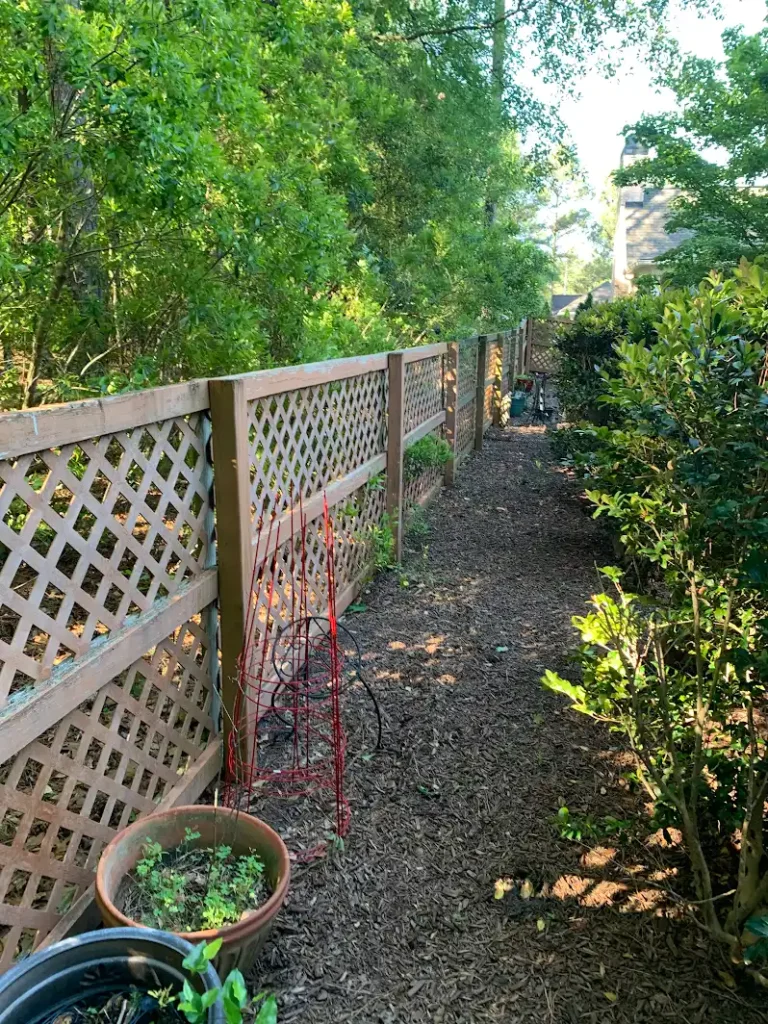
- Driveways, fences, landscaping, wells, septic areas, or neighboring structures that must remain
- Known utility responsibilities
- Contents or loose debris
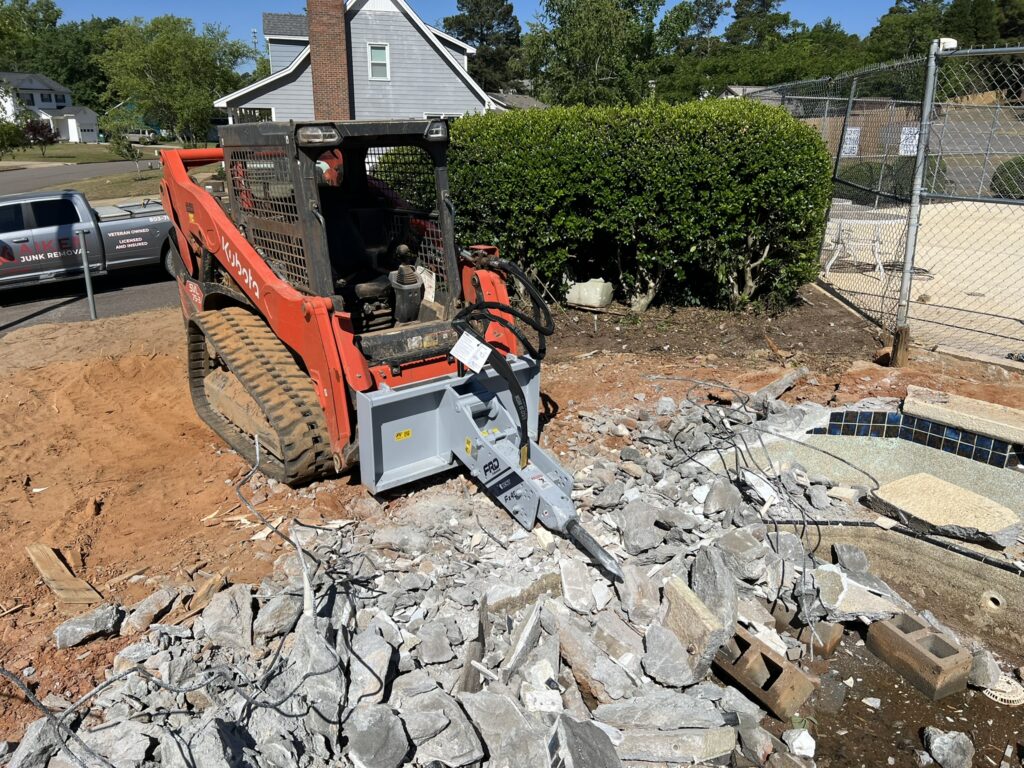
- Concrete, foundations, slabs, or footings
- Hauling and debris removal
- Backfill or grading when included
- The agreed final condition of the site
Insurance addresses a different question from project scope. Both matter.
Tell the Contractor About the Property Before Work Begins
A contractor cannot plan around a condition that was never disclosed or identified.
Property owners should share known information about the project and point out features they want protected.
That can include private wells, septic systems, underground utilities, overhead lines, narrow gates, soft ground, retaining walls, adjacent structures, landscaping, driveways, fences, stored property, or other site conditions.
Clear communication gives the contractor an opportunity to evaluate the work area and determine whether additional planning or clarification is needed.
Insurance and Planning Work Together
Insurance is not a reason to be careless with the project. The stronger approach is to verify the contractor, define the work, identify what must remain protected, and discuss known site conditions before equipment arrives.
Does Being Insured Mean Every Problem Is Covered?
No blanket assumption should be made.
Insurance policies contain terms, conditions, exclusions, limits, definitions, and other provisions that determine how coverage applies to an actual situation.
A certificate or statement that a contractor is insured does not by itself tell a property owner how every possible incident would be handled.
If you have a specific concern that materially affects your decision, ask the appropriate contractor, insurance professional, property insurer, attorney, lender, or other qualified party rather than relying on an assumption.
Insurance Is Only One Contractor-Selection Question
A property owner should not select a demolition contractor based on one credential alone.
Insurance belongs beside other practical questions about the company and the work.
Aiken Demolition’s existing guide, Questions to Ask Before Hiring a Demolition Contractor in Aiken SC, covers broader topics such as scope, cleanup, hauling, access, materials, permits, and scheduling.
Those questions help determine whether two contractors are actually quoting the same result.
Do Not Compare Demolition Quotes by Price Alone
A lower quote may be a genuinely better value, but the total should still be compared against what is included.
Aiken Demolition’s guide Why the Cheapest Demolition Quote Can Cost More in Aiken SC explains why debris removal, cleanup, access, utilities, equipment needs, and other scope details can make two demolition estimates difficult to compare by price alone.
Insurance fits into that same broader decision.
The question is not simply, “Which contractor costs the least?”
A better comparison is: “What exactly is each contractor agreeing to do, what responsibilities have been defined, and what information have I verified before the work begins?”
What Should You Ask Before Hiring?
You do not need a complicated insurance questionnaire.
A practical conversation can begin with questions such as:
- Are you currently insured?
- Can you provide current proof of insurance if requested?
- Does the business name on the documentation match the company doing the work?
- Are the policy dates current for the expected project period?
- Is there anything about this particular project that needs to be disclosed or reviewed before work begins?
- Are there insurance requirements from a property manager, general contractor, lender, association, or other party that need to be addressed?
The purpose is clarity, not paperwork for its own sake.
What Should Be in the Demolition Quote?
The insurance conversation should happen alongside a clear project scope.
A useful demolition quote should help the property owner understand:
- What will be removed
- What will remain
- How access affects the project
- Who is responsible for known utility or project-preparation items
- Whether contents or unrelated debris are included
- Whether concrete or foundation work is included
- How demolition debris will be handled
- What cleanup is included
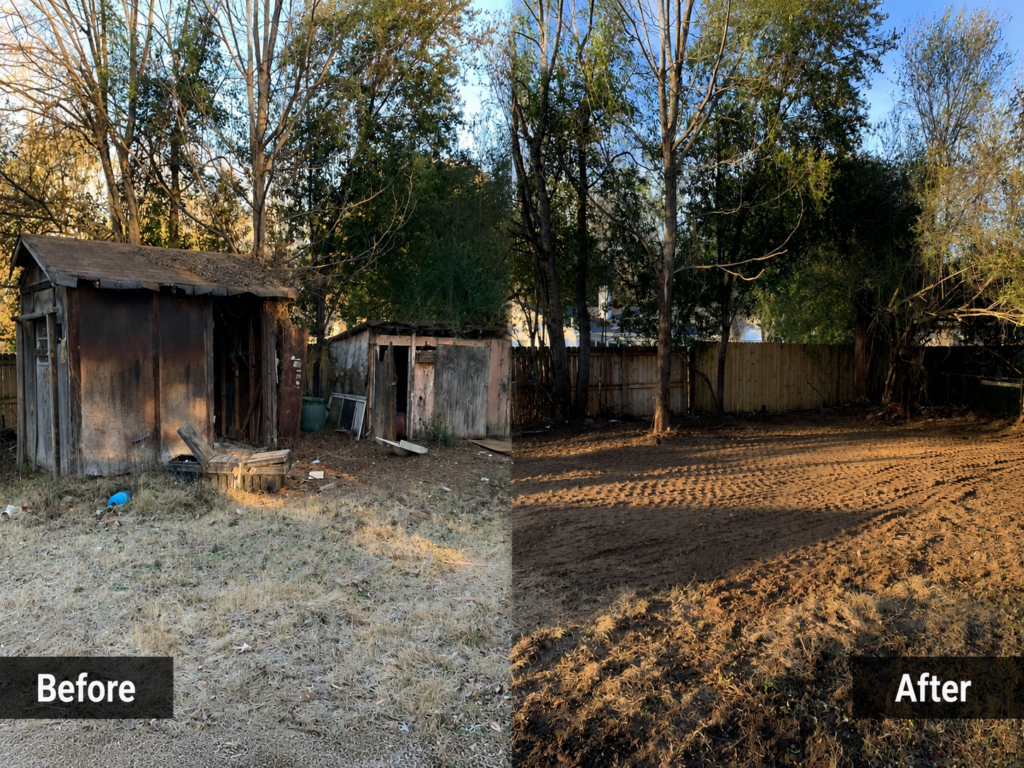
- What the site is expected to look like afterward
That gives the customer a better basis for comparing contractors than a bottom-line number by itself.
Aiken Demolition States That It Is Licensed and Insured
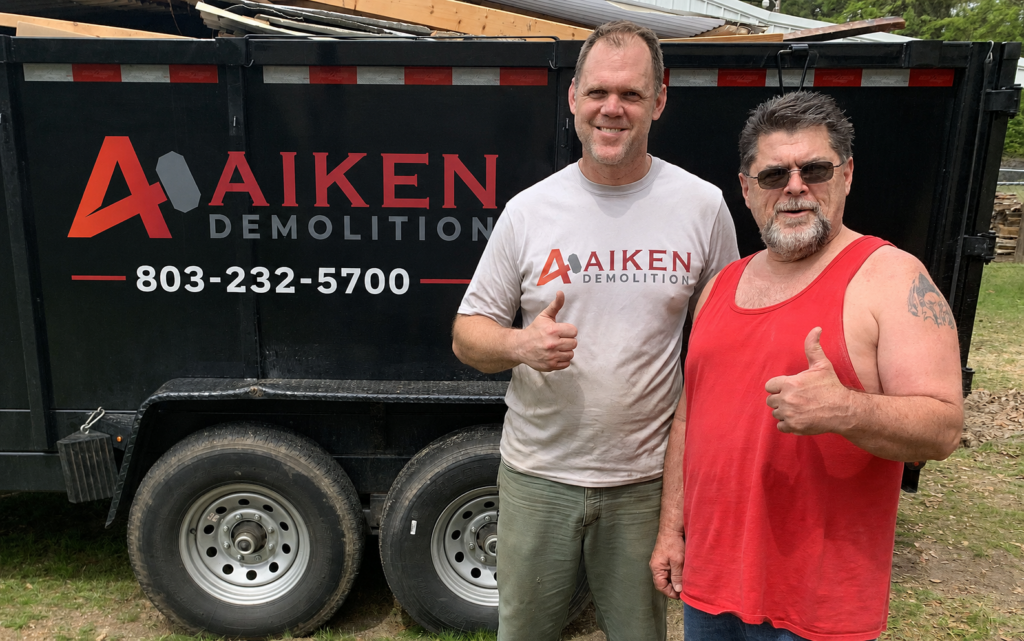
Aiken Demolition identifies itself on its website as a licensed and insured demolition company serving Aiken and surrounding communities.
That information is part of the company’s broader emphasis on professional demolition planning, communication, safety, and cleanup.
Customers with a specific documentation requirement can raise that need while discussing the project so it can be addressed before work begins.
What Information Should You Provide When Requesting a Quote?
The more clearly the contractor understands the job, the more useful the initial conversation can be.
Provide information such as:
- The complete property address
- Clear photographs of the project area
- The type and approximate size of the structure or feature
- Known access restrictions
- Known utilities
- Nearby buildings or improvements that must remain
- Contents or loose debris that may be involved
- Concrete, foundation, or slab expectations
- The condition you want the site left in afterward
- Any insurance documentation requirements that apply to your project
If you are not sure about something, say so rather than guessing. The contractor can determine which questions still need to be answered before the project scope is finalized.
Final Summary
Insurance is an important contractor-selection question because demolition involves equipment, structures, debris, vehicles, access, and surrounding property.
Property owners can ask for current proof of insurance and review whether the business name, policy information, and dates make sense for the contractor and project. A certificate or statement that a company is insured does not guarantee that every possible circumstance is covered.
The best approach combines insurance verification with a clear demolition scope, accurate property information, defined responsibilities, and a shared understanding of what the site should look like when the work is finished.
Planning a Demolition Project?
Share the property address, photographs, project scope, access conditions, known utilities, nearby features that must remain, and the final condition you want. If you have a specific insurance-documentation requirement, include that in the conversation before work begins.
Request a Project QuoteFrequently Asked Questions
Why does demolition contractor insurance matter?
Demolition involves structures, equipment, debris, vehicles, access routes, and surrounding property. Insurance is one factor a property owner can evaluate when deciding who will perform the work, along with experience, communication, scope, cleanup, and project planning.
Can I ask a demolition contractor for proof of insurance?
Yes. A property owner can ask a contractor for current evidence of insurance. If the project has a specific documentation requirement from another party, explain that requirement before work begins.
What is a certificate of insurance?
A certificate of insurance is commonly used to summarize information about insurance policies, such as the insured business, insurer, policy types, dates, and certain limits. It is not the complete insurance policy and should not be treated as a guarantee that every possible loss will be covered.
What should I check on proof of insurance?
Review whether the business name makes sense for the contractor you are hiring and whether the listed policy dates are current for the expected project period. If something does not match or is unclear, ask for clarification.
Does being insured mean every type of damage is covered?
No blanket assumption should be made. Insurance policies contain terms, limits, conditions, exclusions, and definitions that determine whether and how coverage applies to a particular situation.
Should insurance be the only thing I check before hiring a demolition contractor?
No. Insurance should be considered along with the contractor’s project scope, communication, experience, access plan, utility planning, debris handling, cleanup expectations, scheduling, and the condition the property should be left in afterward.
Why should I tell the contractor about features that need to remain?
The demolition plan may need to account for driveways, fences, trees, wells, septic areas, utilities, nearby structures, landscaping, or other property that should not be removed or disturbed. Identifying those features before work begins helps define the actual scope.
Is the cheapest insured demolition contractor automatically the best choice?
Not necessarily. Compare what each quote actually includes, such as debris removal, cleanup, utilities, concrete or foundation work, access considerations, and the desired final-site condition. Insurance is important, but it does not replace a complete scope comparison.
Is Aiken Demolition insured?
Aiken Demolition states on its website that it is a licensed and insured demolition company. Customers who have a specific documentation requirement can discuss that requirement with the company before work begins.
What should I send when requesting a demolition quote?
Provide the complete property address, clear photographs, the type and approximate size of the project, access information, known utilities, nearby features that must remain, contents or debris involved, concrete or foundation expectations, and the condition you want the site left in afterward.